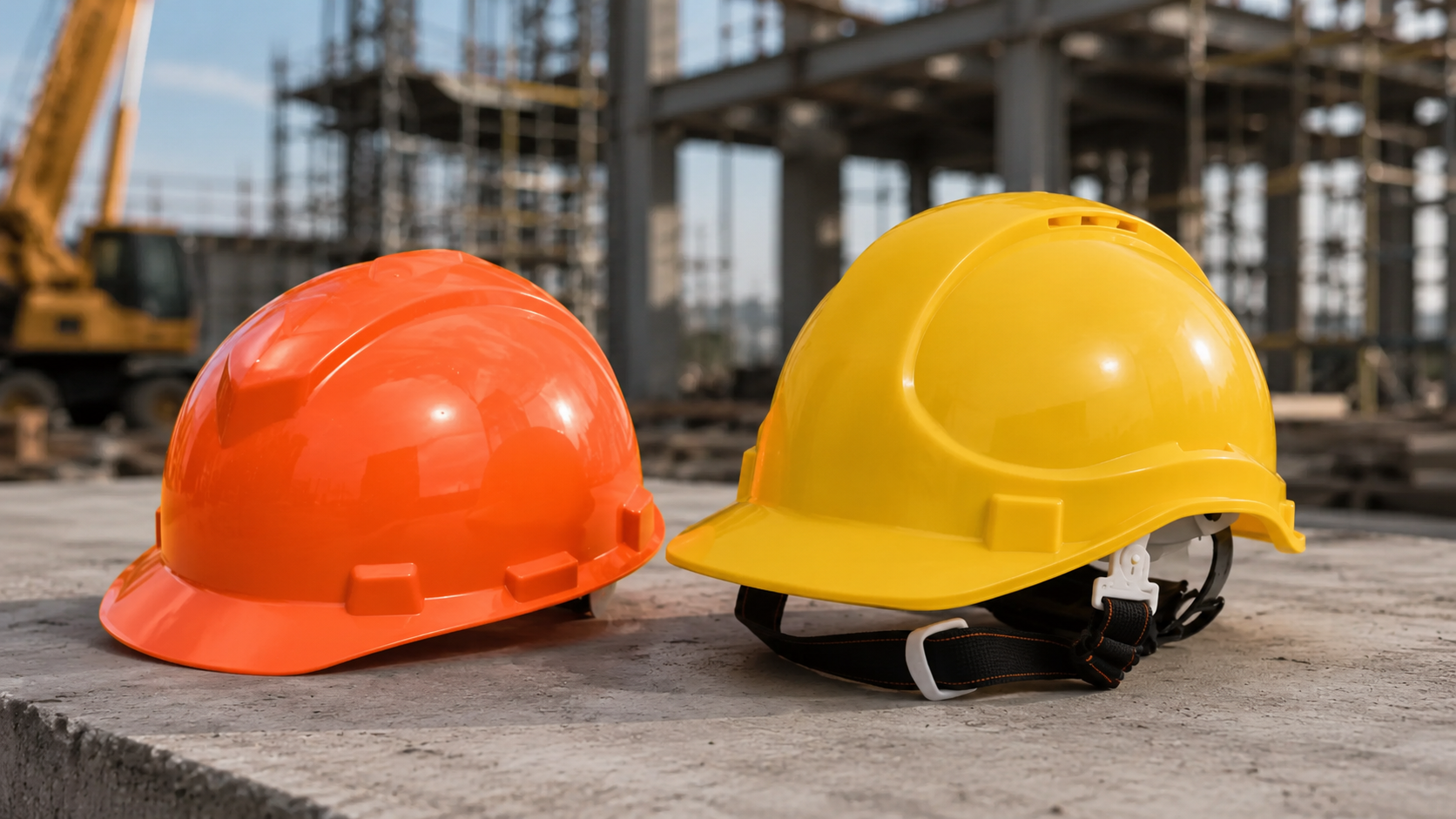
Top 7 Construction Head Hazards and How to Choose a Safety Helmet

Views: 1999     Author: Safetoe Technical Team     Publish Time: 2026-07-27      Origin: Site

Inquire

facebook sharing button
twitter sharing button
line sharing button
wechat sharing button
linkedin sharing button
pinterest sharing button
whatsapp sharing button
sharethis sharing button

E0CE4D65300F5F1A940A411AF0D8DE86

Discover seven common construction head hazards and learn how to choose a certified safety helmet based on impact direction, ventilation, fit and workplace conditions.


Top Head Hazards on Modern Construction Sites

Construction sites contain constantly changing risks. Falling tools, moving equipment, low structures and electrical systems can all cause serious head injuries.

A suitable construction safety helmet should be selected according to the actual hazard—not only by appearance, colour or price.

Explore Safeyear Construction Safety Helmets.

8b069eca-774e-46b3-8005-ca33e37b29b0

Seven Common Construction Head Hazards

1.  Falling tools from scaffolds, platforms and upper floors

2.  Falling materials such as bricks, timber and concrete fragments

3.  Collisions with beams, pipes and scaffolding

4.  Moving equipment and suspended loads

5.  Slips, trips and falls that may cause secondary head impact

6.  Working at height, where helmet retention is especially important

7.  Electrical contact from temporary power systems or exposed conductors

A helmet cannot replace tool tethering, traffic separation, fall prevention or electrical controls. It provides the final layer of personal protection.

51EBC8793B29C7660169E11F2A96305C

Why Certification Matters

Common industrial head-protection standards include:

● EN 397

● ANSI/ISEA Z89.1

● Type I protection for primarily top impacts

● Type II protection for additional front, rear and side impacts

●  Electrical classifications such as Class C, G and E

Buyers should verify the exact model, helmet type, electrical class, standard edition and certificate before ordering.

Visit the Safetoe Certificates and Compliance Centre.

e5e5d1ec-f2cb-4b63-8f61-28bfcdc7b1e2

Comfort and Protection Technologies

Safeyear helmet technologies support different jobsite requirements:

● VentStream™: improves airflow during long outdoor shifts

● ErgoComfort™: supports balanced pressure and stable adjustment

● ForceBarrier™: focuses on multidirectional coverage and stability

● CrystalShield™: supports compatible face-protection configurations

Vented helmets should not automatically be used for electrical work. The exact electrical classification must always be checked.

Learn more through the Safetoe Technology Centre.

3734BA28298F702CF4BA8090541F1388

Recommended Safeyear Helmets

W-018

A vented ABS safety helmet for hot outdoor construction, infrastructure and general industrial work. It features a six-point suspension, ratchet adjustment, chin strap and optional accessories.

W-003

A practical Type I Class C construction hard hat for general non-electrical work where the main hazard is impact from above.

Neither helmet should be selected for electrical or lateral-impact hazards without confirming its exact certification.

8c9394c0-9d67-4c97-b5e1-51520e4ad4e4


Testing Videos


Choose the Right Construction Head Protection

Select a helmet according to impact direction, working height, electrical hazards, temperature, retention needs and target-market certification.

Wholesale: https://www.safetoe.net/

Shop now: https://safetoework.com/

WhatsApp: +86 153 7535 4433

YouTube: @SAFETOESafetyShoes


英3英2英1


Ready to work with safetoe ?
Get pricing, samples, and distributor support from SAFETOE team.
Worldwide Leading Safety Protection Products Supplier.
 

Quick Links

Products

Contact Us

Shanghai Langfeng Industrial Co., Ltd. (Safetoe)
Add: Room 905, Building A, No.2, Jibei Road 117, Shanghai, China (Mainland)
Tel : +86-021-5212 7320
Fax : +86-021-5212 1031
Wechat: +86-181 1626 8656
WhatsApp: +86-18116268656
 
Copyright © 2021 Safetoe. All Rights Reserved. SItemap  Support By Leadong.