In 2026, purchasing a compliant safety helmet (hard hat) is no longer just about “having a certificate.” As construction environments become more complex, high-temperature operations become more common, and electrical projects increase, companies must focus on three key factors when selecting a construction helmet:
● Ventilation design (Vented hard hat vs Non-vented hard hat)
● Impact protection type (Type I vs Type II helmet)
● Electrical insulation rating (Class E electrical hard hat)
Understanding ANSI/ISEA Z89.1 and CE EN397 standards is essential to ensure project compliance and worker safety.
Why Are Ventilation, Insulation, and Side Impact Protection More Important in 2026?
In recent years, job sites have experienced three major changes:
1. Higher temperatures and longer outdoor exposure
2. Increased electrical, municipal, and renewable energy projects
3. More complex workspaces with greater side-impact risks
Traditional construction hard hats designed only for top impact protection may not provide sufficient protection in higher-risk environments. Therefore, safety helmet selection must be based on actual working conditions.
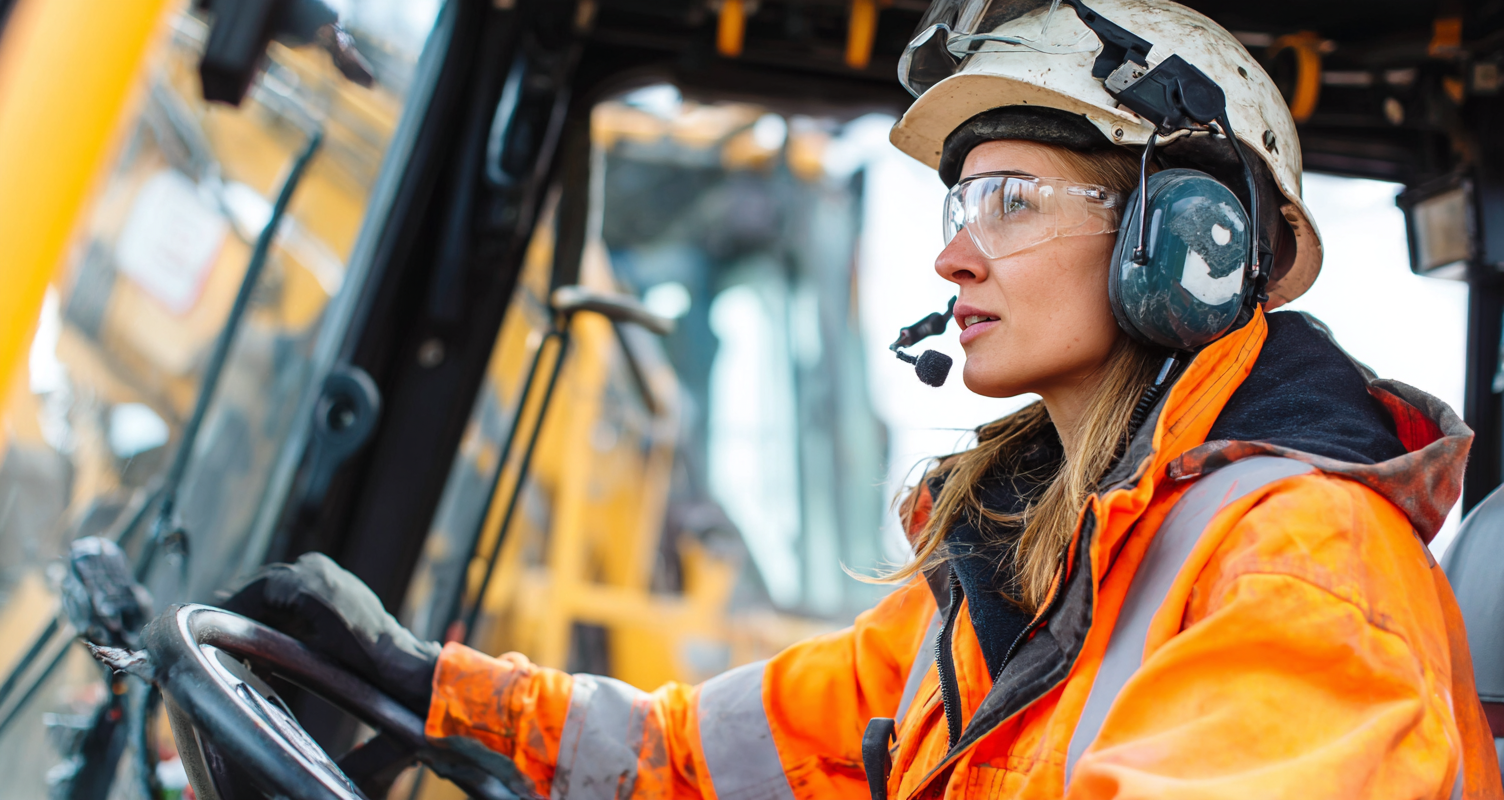
Which Is Better: Vented or Non-Vented Hard Hat?
This is one of the most frequently searched questions by procurement professionals.
Vented Hard Hat
A vented hard hat features ventilation holes in the shell to improve airflow. It is suitable for:
● Construction sites
● Steel plants
● Ports and logistics
● Mining and forestry
Advantages:
● Better heat dissipation
● Reduced heat stress
● Improved long-term wearing comfort
Note:
Vented models are generally not suitable for electrical insulation environments.
Non-Vented Hard Hat
A non-vented hard hat has a sealed shell design and is more suitable for:
● Electrical construction
● Municipal engineering
● High-voltage grid maintenance
In environments involving electrical hazards, it is important to confirm whether a Class E electrical hard hat is required.
What Is the Difference Between Type I and Type II Helmets?
According to ANSI/ISEA Z89.1, safety helmets are classified by impact protection type:
Type I Helmet
● Protects against vertical (top) impact only
● Commonly used in traditional construction sites
Type II Helmet
● Protects against both vertical and lateral (side) impact
● Provides more comprehensive impact absorption
Which Jobs Require Type II Helmets?
● Infrastructure maintenance
● Oil and gas industry
● Working at heights
● Environments with side collision risks
As safety awareness increases, Type II helmets are becoming more widely used in 2026.
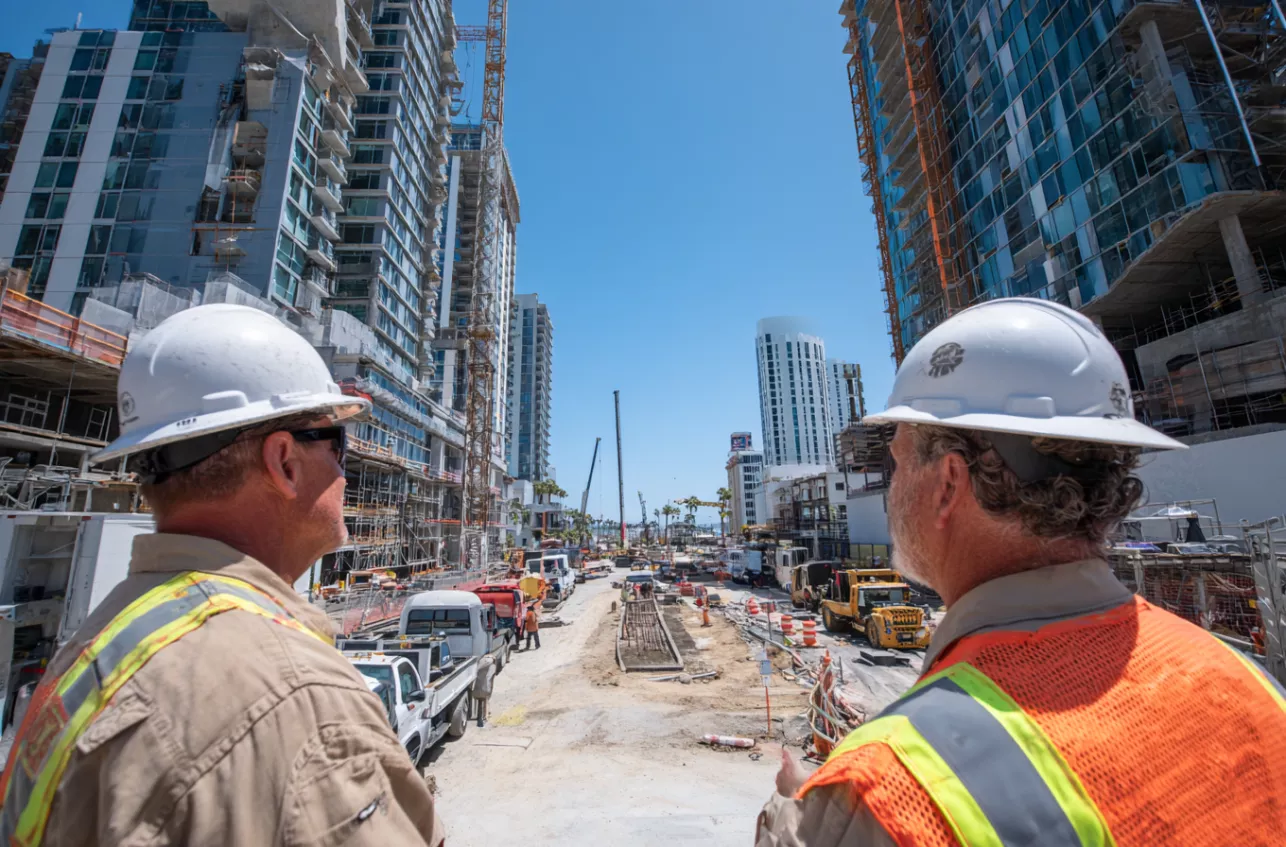
What Does Class E Safety Helmet Mean?
Under ANSI standards, hard hats are categorized as:
● Class C (Conductive)
● Class G (General)
● Class E (Electrical)
A Class E electrical hard hat is designed for high-voltage environments and is typically required in:
● Power engineering projects
● Municipal grid maintenance
● Renewable energy plants
● High-voltage equipment installation
For electrical and municipal tenders, Class E certification is often mandatory.
Three Typical Procurement Scenarios & Quick Recommendations
1️⃣ Construction / High-Temperature Environments
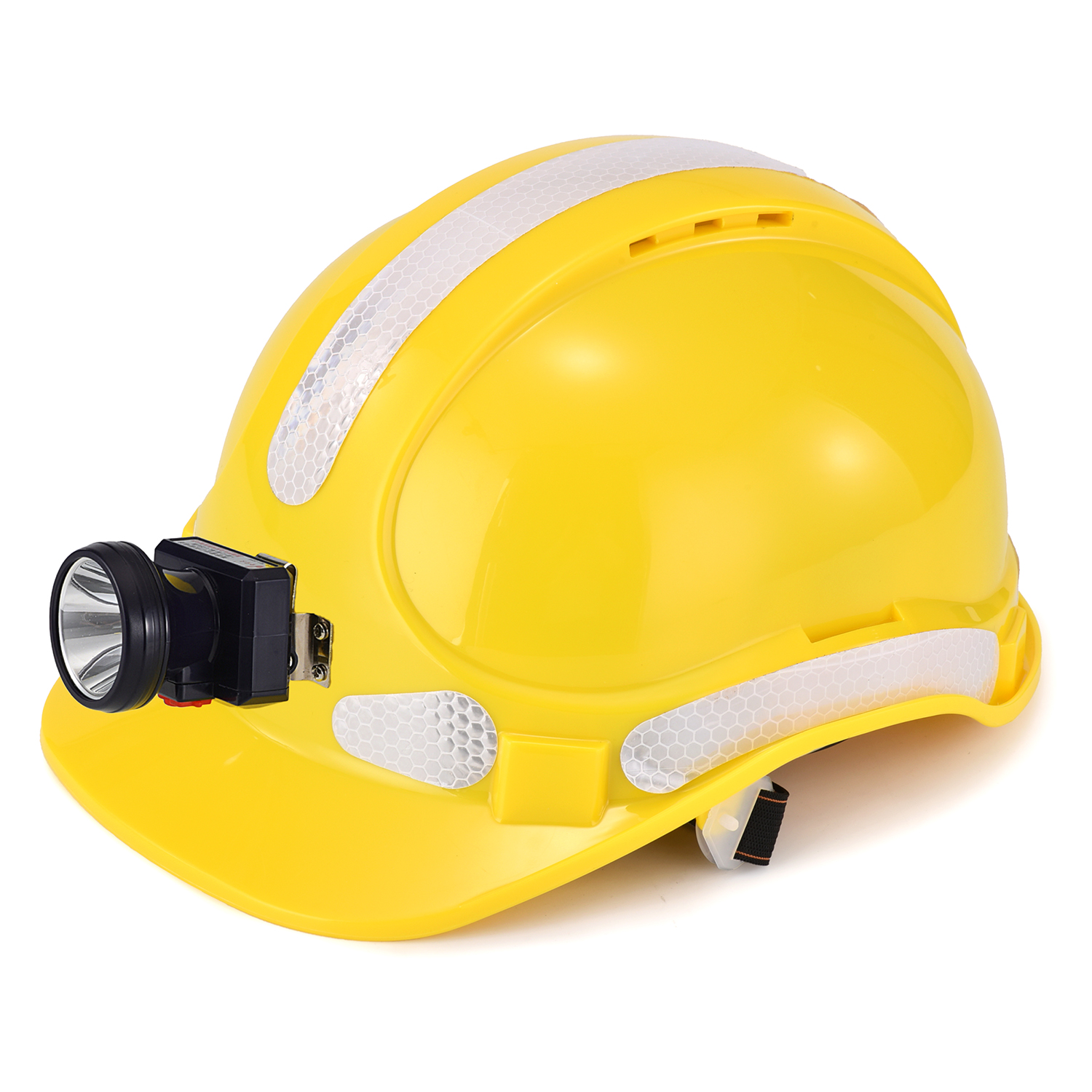
Recommended Model: W-018 (Vented Dual Certification)
● High-strength ABS shell with ventilation design
● 6-point suspension system for balanced shock absorption
● 360° adjustable ratchet knob
● Removable sweatband
● Standards: EN 397:2012 + A1:2012
● ANSI / ISEA Z89.1-2014 Type I Class C
Suitable for construction, oil, mining, steel, shipbuilding, and related industries.
2️⃣ Electrical / Municipal / Insulated Applications
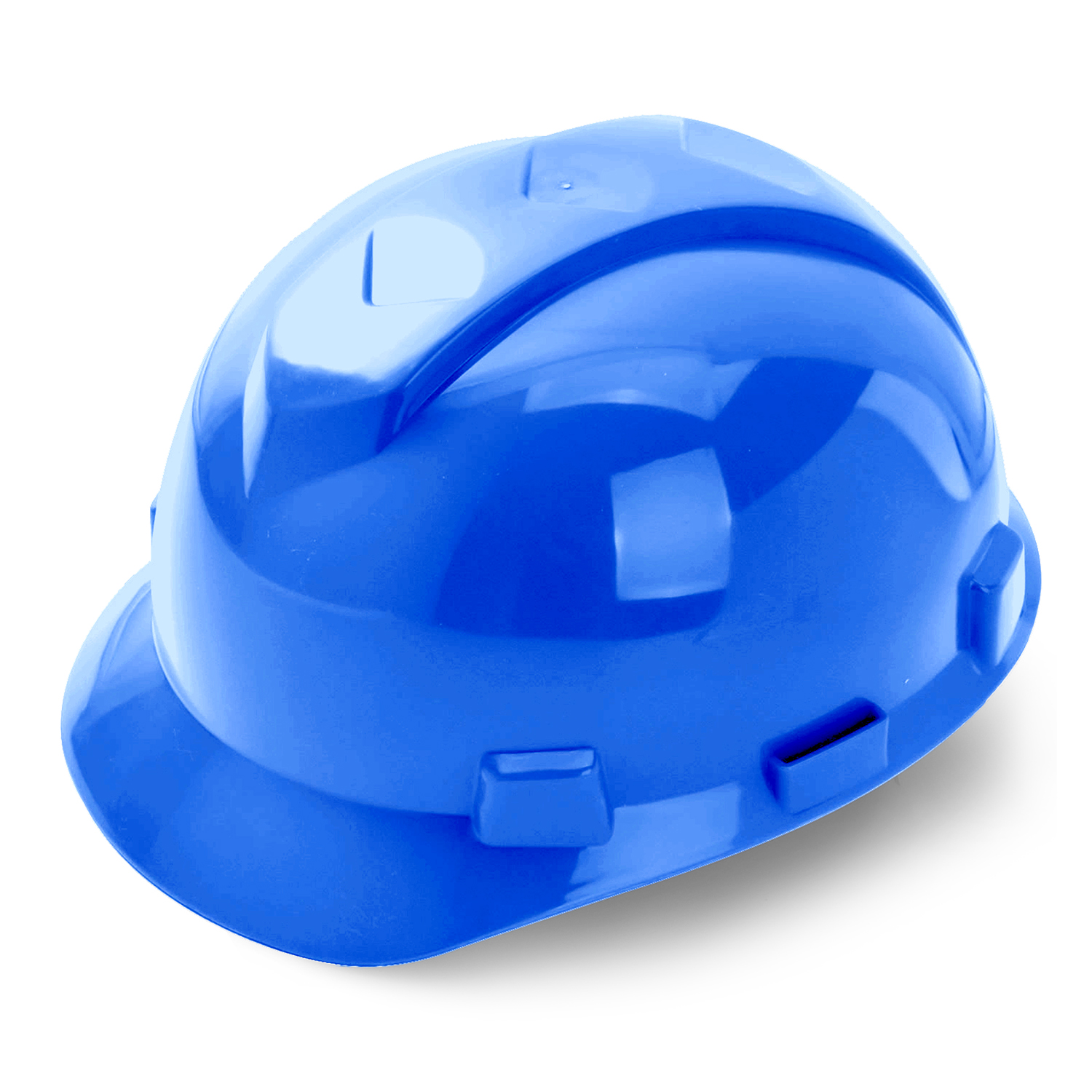
Recommended Model: W-003
● HDPE or ABS shell
● 4-point suspension system
● Adjustable rotary knob
● Removable sweatband
● ANSI / ISEA Z89.1-2014 Type I Class C
If the project specifically requires Class E, confirm certification during quotation.
3️⃣ High-Risk / Side-Impact Environments
Recommended Model:W-6000 (New Type II Model)
Suitable for industrial environments with side-impact risks.
A Type II helmet provides enhanced overall protection.
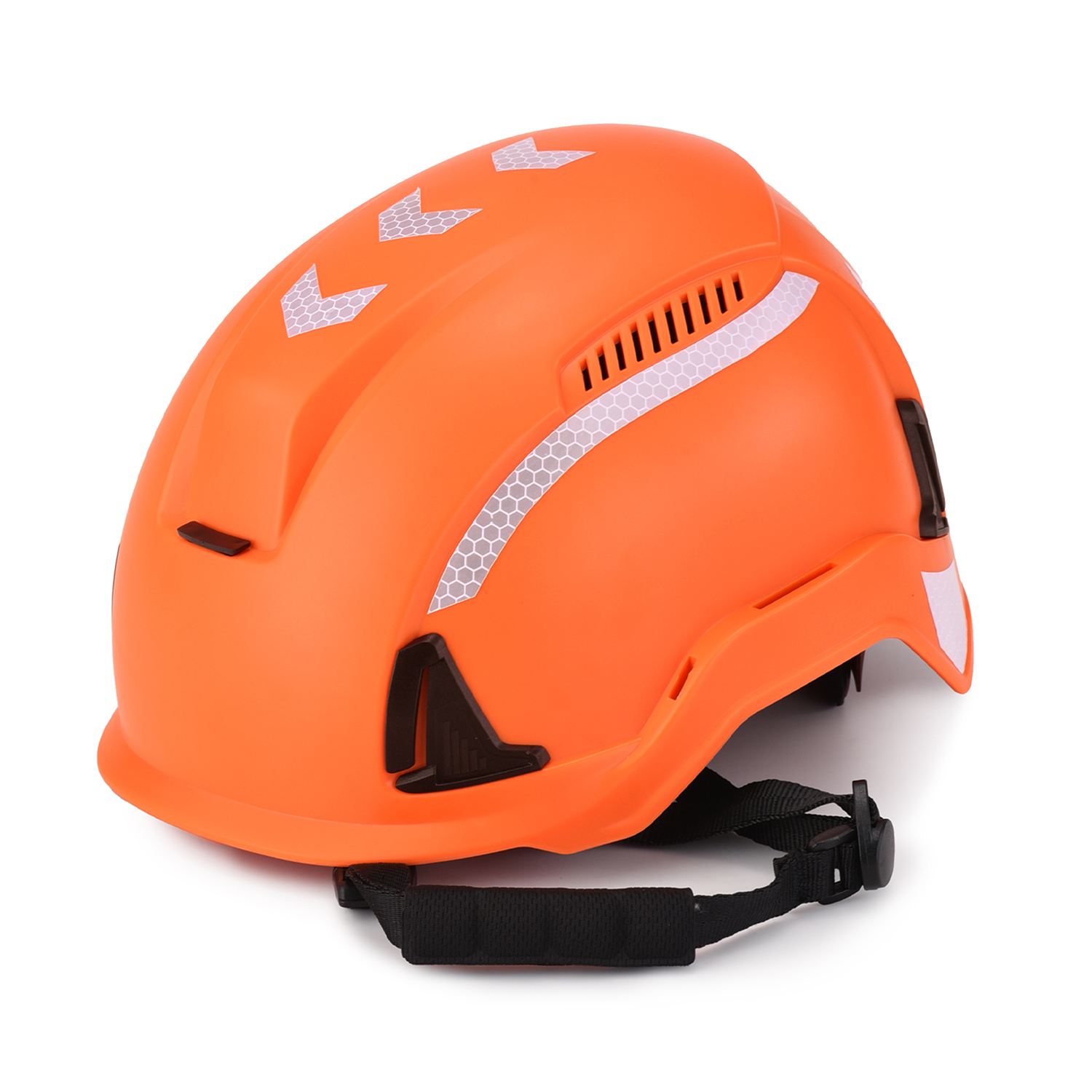
How to Choose the Right Safety Helmet in 2026
In 2026, selecting the right safety helmet (hard hat) affects not only wearing comfort but also project compliance and worker safety.
● High-temperature construction → Choose vented design
● Electrical environments → Confirm insulation rating
● High-risk environments → Consider Type II protection
By matching the helmet to actual working conditions and certification standards, companies can ensure proper compliance and protection.
Contact us for purchase:
Looking for compliant safety helmets for retail, project procurement, or wholesale distribution? Contact Safetoe today to get product recommendations, certification details, bulk pricing, and customized purchasing support.
Shop now: https://safetoework.com/
Wholesale: https://safetoe.net/
WhatsApp: +8615375354433
YouTube: @SAFETOE




 English


