electrical & utility safety helmet

Common Electrical Workplace Challenges

Electrical Helmet 1

Electrical Hazards

Around energized equipment

Electrical Helmet  2

Outdoor Exposure

Sun, rain and changing weather

Electrical Helmet 3

Long Working Hours

Comfort improves productivity

Helmet Construction 4

High Visibility

Safer teamwork in complex sites

Why Safeyear Helmets Perform Better?
4

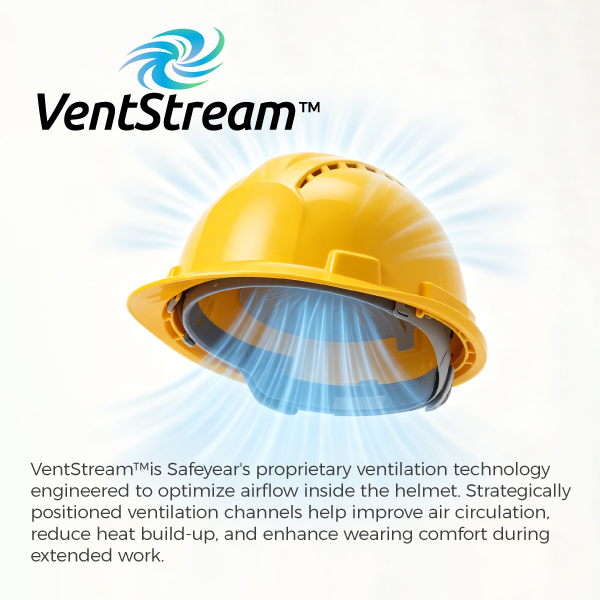
VentStream™

Cooler airflow

2

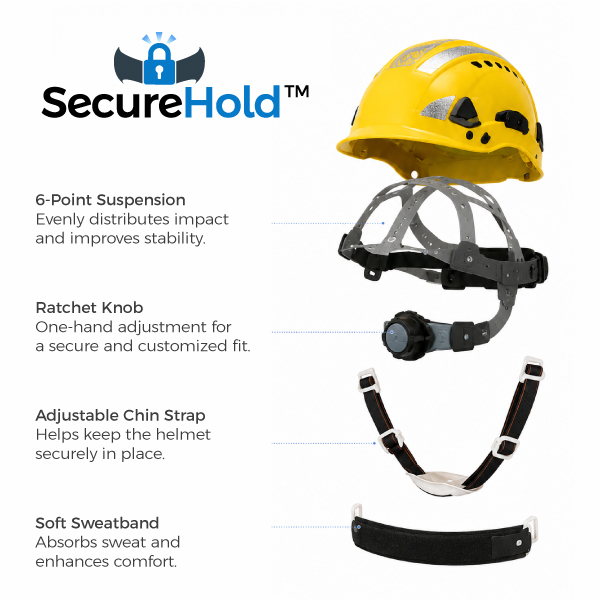
SecureHold™

Stable fit

1

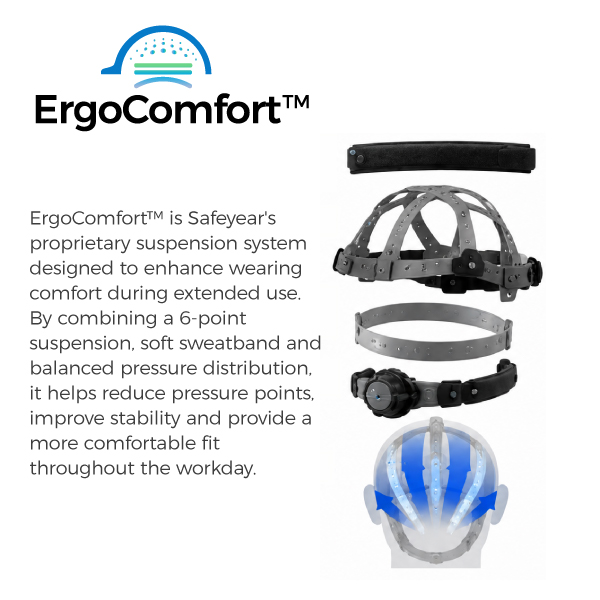
ErgoComfort™

Pressure reduction

5

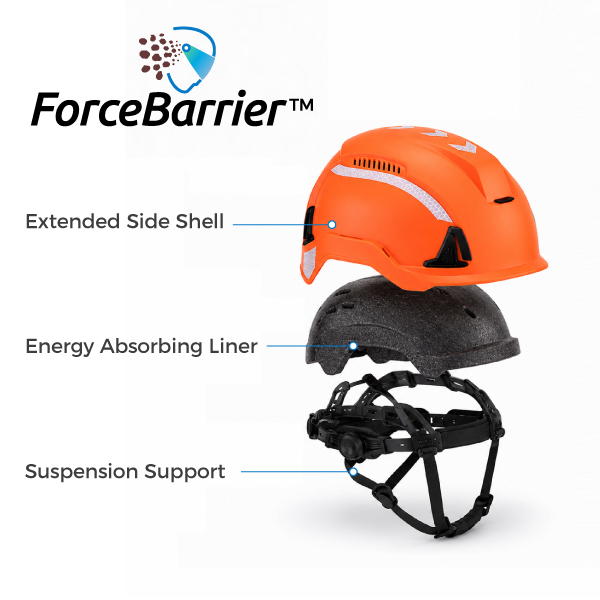
ForceBarrier™

Enhanced side coverage

Recommended Products

Certified Quality. Proven Performance.

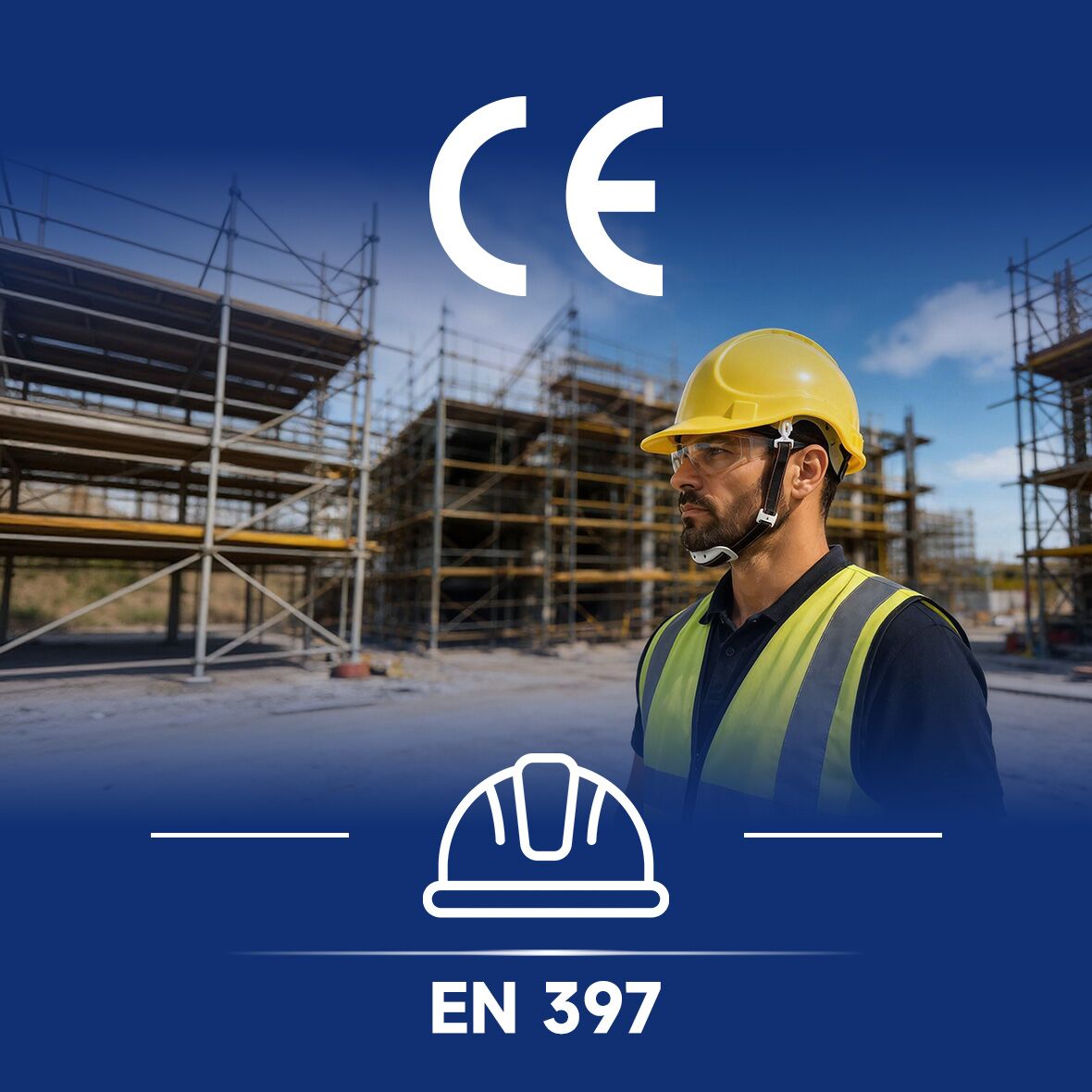
CE1

Long-term Outdoor Adventure

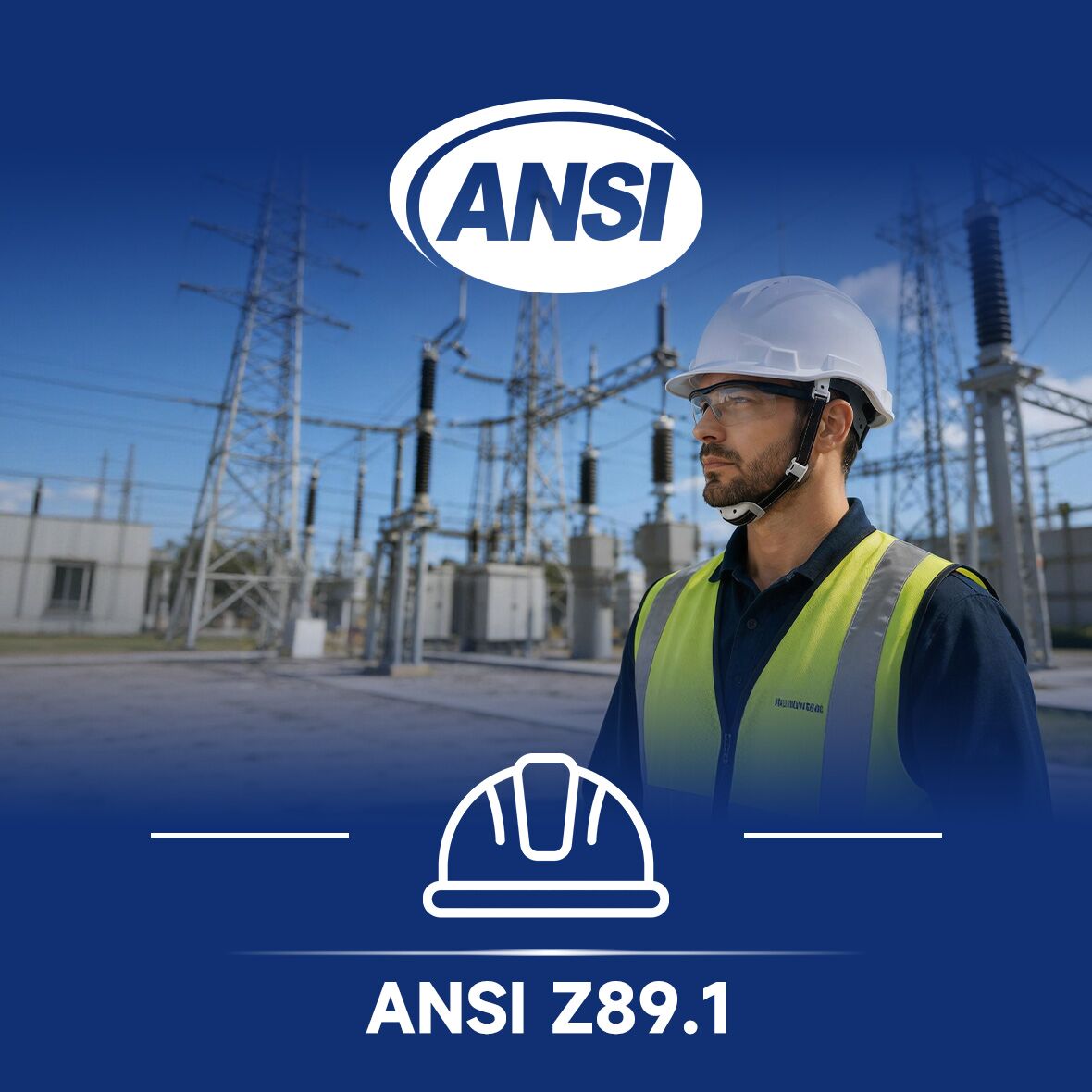
ANSI 1

Long-term Outdoor Adventure

ISO 9001

Emergency Backup Power

ISO 45001

Long-term Outdoor Adventure

Related Resources
How to Choose Safety Boots for the Oil & Gas Industry? 3 Recommended S3 Work Boots for Middle East Projects

How to Choose Safety Boots for the Oil & Gas Industry? 3 Recommended S3 Work Boots for Middle East Projects

This article explains how to choose the right safety boots for oil & gas worksites, especially for Middle East project conditions. It introduces common jobsite risks such as oily floors, slippery metal platforms, sharp debris, falling tools, high-temperature work zones, long shifts, and static-related hazards. The article recommends matching each risk with the right boot function, including oil-resistant nitrile rubber outsoles, slip-resistant tread design, puncture-resistant midsoles, 200J toe protection, high-cut ankle support, shock absorption, waterproof breathable construction, and anti-fatigue comfort. It also recommends three Safetoe S3 work boots: M-8552 Tank for all-round oil & gas protection, H-9437 OilShield for oil-resistant high-cut ankle support, and H-9552 PolarGuard for cold conditions and night shifts. Finally, the article provides a quick checklist and FAQ to help buyers, contractors, and distributors choose suitable oil & gas safety boots.
Read More
2026 Safety Helmet Selection Guide: How to Choose Between Vented/Non-Vented,Type I/Type II, and Class E?

2026 Safety Helmet Selection Guide: How to Choose Between Vented/Non-Vented,Type I/Type II, and Class E?

This article explains how to choose the right safety helmet in 2026 based on real jobsite risks, including ventilation design, impact protection type, and electrical insulation rating. It compares vented and non-vented hard hats, explains Type I and Type II helmet protection, introduces Class E electrical hard hats, and provides practical procurement recommendations for construction, electrical, municipal, and high-risk industrial environments.
Read More
S1P vs S3 vs S7: How to Choose the Right Safety Shoe Rating

S1P vs S3 vs S7: How to Choose the Right Safety Shoe Rating

This article explains the differences between S1P, S3, and S7 safety shoes under the EN ISO 20345:2022 + A1:2024 safety footwear standard. It introduces the typical working environments for each rating: S1P is suitable for dry indoor workplaces such as warehouses and light industry, S3 is ideal for industrial, construction, logistics, and manufacturing environments, while S7 is designed for rainy, wet, and harsh outdoor conditions. The article also highlights common buying mistakes, such as focusing only on toe and puncture protection, ignoring waterproof performance, or choosing uncertified footwear. Finally, it recommends three Safetoe certified models: L-7328 for S1P breathable comfort, M-8027 for S3 industrial protection, and M-8552 for S7 waterproof high-risk environments.
Read More
Ventilated ABS Safety Helmet: Professional Protection with EN397 & ANSI Dual Certification

Ventilated ABS Safety Helmet: Professional Protection with EN397 & ANSI Dual Certification

This article introduces a breathable, heat-dissipating ABS safety helmet designed for high-risk industrial environments such as construction, metallurgy, oil & gas, mining, steel, shipbuilding, ports, logistics, and forestry. The helmet features a high-strength ABS shell, 6-point suspension system, 360° ratchet adjustment, removable sweatband, and ventilation holes for improved comfort and protection. It meets EN397:2012+A1:2012 and ANSI/ISEA Z89.1-2014 Type/Class C standards, helping reduce risks from falling objects, impacts, and workplace hazards. The article also explains why standard-compliant helmets matter, how to wear and inspect helmets properly, when to replace them, and what factors to consider when choosing a safety helmet, including comfort, protection, adjustability, and certification compliance.
Read More

FAQ

1. What is an electrical safety helmet, and why is it important?

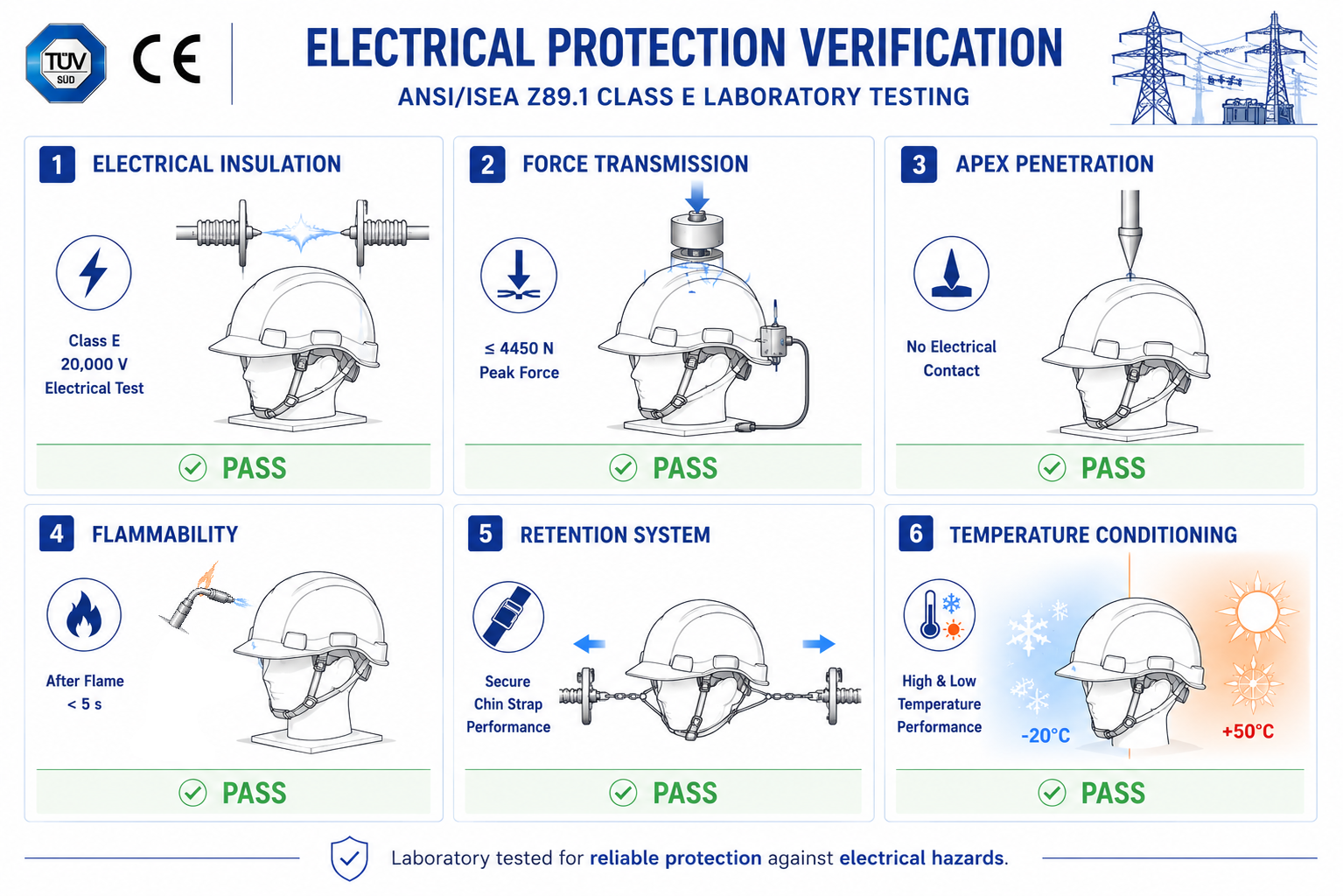
An electrical safety helmet is specifically designed for work where there is a risk of accidental contact with energized conductors or electrical equipment. Unlike standard industrial helmets, electrical helmets use non-conductive shell materials and are tested to meet electrical performance requirements under standards such as ANSI/ISEA Z89.1 Class E. These helmets also provide certified impact protection against falling objects while helping reduce electrical shock hazards when used correctly. However, they are only one component of a complete electrical PPE system and should always be used together with insulated gloves, protective clothing, and other appropriate equipment. **Safeyear** electrical safety helmets combine reliable protection, ergonomic comfort, and professional performance for utility, power generation, and industrial maintenance applications.

2. Can a vented safety helmet be used for electrical work?

3. What is the difference between Class E, Class G, and Class C safety helmets?

4. How should an electrical safety helmet be inspected before use?

5. Which industries require electrical safety helmets?

Power Every Shift With Confidence.

Discover certified helmets designed for electrical and utility professionals.

Ready to work with safetoe ?
Get pricing, samples, and distributor support from SAFETOE team.
Worldwide Leading Safety Protection Products Supplier.
 

Contact Us

Shanghai Langfeng Industrial Co., Ltd. (Safetoe)
Add: Room 905, Building A, No.2, Jibei Road 117, Shanghai, China (Mainland)
Tel : +86-021-5212 7320
Fax : +86-021-5212 1031
Wechat: +86-181 1626 8656
WhatsApp: +86-18116268656
E-mail: jay@safetoe.net
 
Copyright © 2021 Safetoe. All Rights Reserved. SItemap  Support By Leadong.