
 English

Common Workplace Challenges

Flying Debris
Wood Chips & Branches
Chainsaws and cutting equipment can generate flying wood chips, branches and other debris.

High Noise
Chainsaws & Power Equipment
Continuous exposure to chainsaws and powered forestry equipment can create hazardous workplace noise.

Face Protection
Flying Particles & Branches
Cutting, trimming and clearing operations can expose the face to branches, chips and flying particles.

Long Working Hours
Extended PPE Wear
Forestry workers may wear helmets, face protection and hearing protection continuously throughout demanding shifts.
Built for Integrated Head Protection Environments

CrystalShield™
Face Protection Technology
Integrated face shield protection helps reduce exposure to flying wood chips, branches and workplace debris.
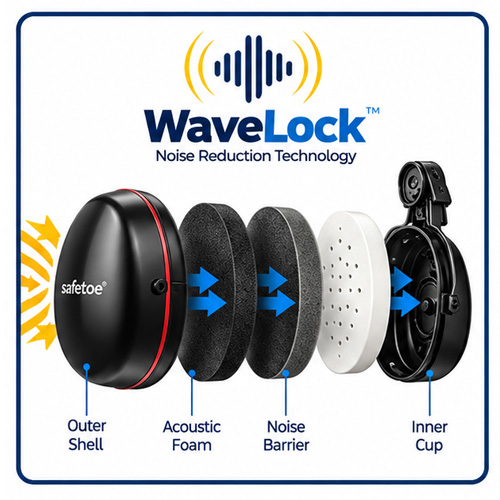
WaveLock™
Noise Reduction Technology
Integrated hearing protection helps reduce harmful noise exposure from chainsaws and powered forestry
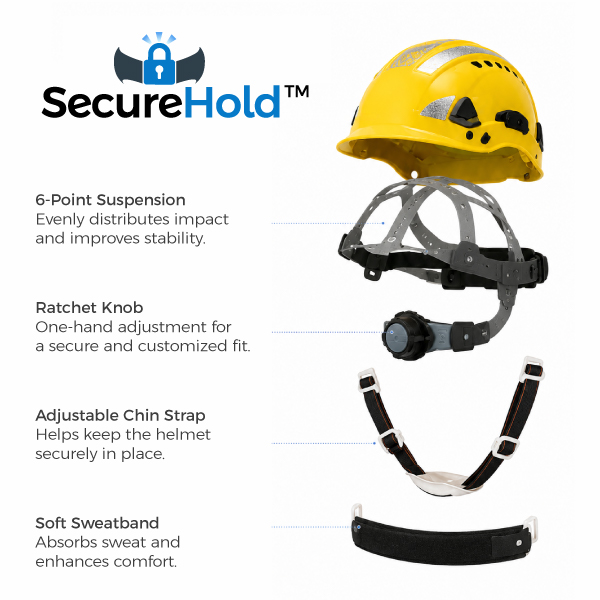
SecureHold™
Stable Retention System
Helps maintain stable helmet positioning during cutting, climbing and active forestry work.
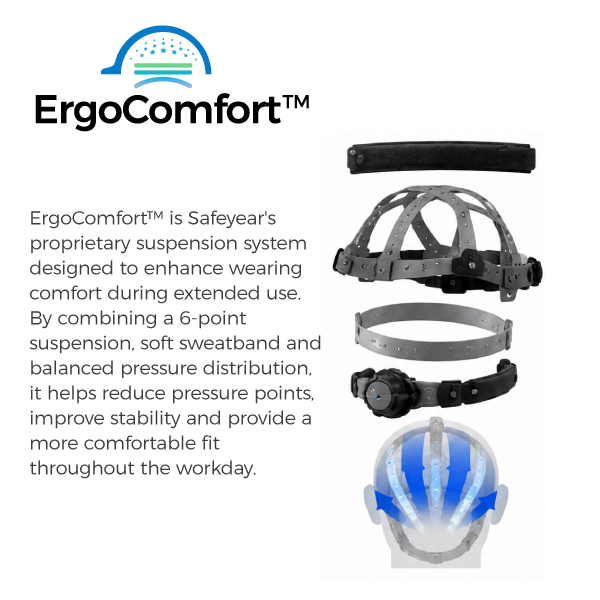
ErgoComfort™
Comfort System
Balanced support and pressure distribution improve comfort when wearing integrated PPE during long work shifts.






S1P vs S3 vs S7: How to Choose the Right Safety Shoe Rating

Ventilated ABS Safety Helmet: Professional Protection with EN397 & ANSI Dual Certification

2026 Safety Helmet Selection Guide: How to Choose Between Vented/Non-Vented,Type I/Type II, and Class E?

How to Choose Safety Boots for the Oil & Gas Industry? 3 Recommended S3 Work Boots for Middle East Projects
FAQ
1. What is an integrated forestry helmet system?
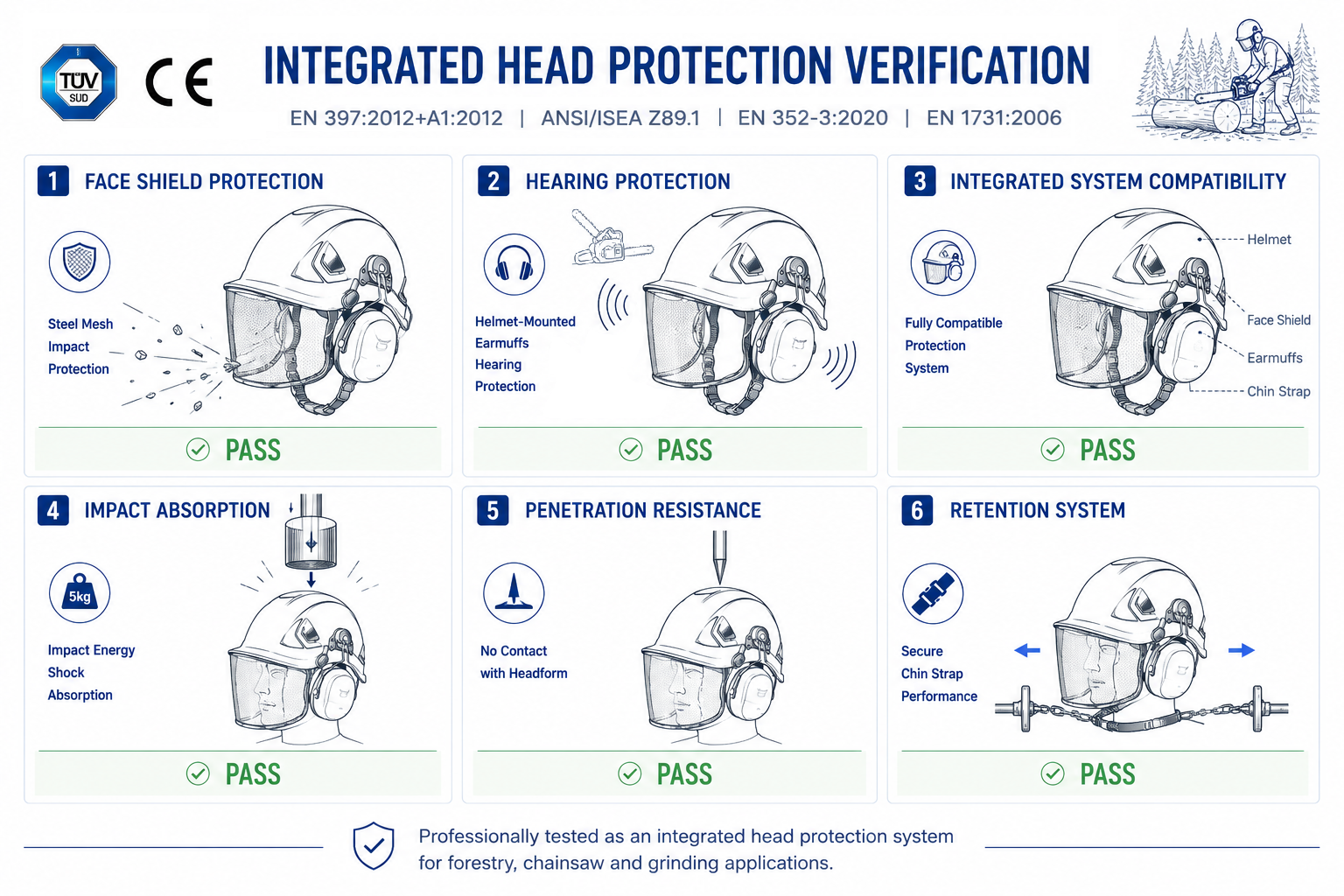
An integrated head protection system combines head, face, and hearing protection into a single coordinated PPE solution. Instead of wearing separate equipment, workers use a safety helmet together with a face shield or mesh visor and helmet-mounted earmuffs that are designed to function as one system. This improves compatibility, stability, and wearing comfort while reducing the risk of improperly fitted PPE. Integrated systems are widely used in forestry, chainsaw operation, tree care, metal grinding, landscaping, and industrial maintenance where multiple hazards exist simultaneously. **Safeyear** integrated helmet systems are engineered to provide reliable protection while improving productivity and long-term wearing comfort.
2. What types of forestry work require integrated head, face and hearing protection?
3. Why do forestry helmets often include a mesh face visor and earmuffs?
4. What should you consider when choosing an integrated safety helmet?
5. What makes the Safeyear integrated helmet system different?
