When purchasing safety shoes, many buyers and end users face the same question:
What is the difference between S1P, S3, and S7? Which rating is right for my working environment?
At first glance, many safety shoes appear similar—they all offer toe protection and puncture resistance. However, what truly determines compliance, durability, and suitability for specific working conditions is the EN ISO 20345:2022 + A1:2024 safety footwear standard.
In this article, we’ll help you clearly understand:
● Which working scenarios each safety shoe rating is designed for
● The most common mistakes when choosing safety shoes
● Why S1P is ideal for warehousing, S3 for industrial use, and S7 for rainy or harsh environments
● Three Safetoe-certified safety shoes recommended for each rating
1. Which Working Scenarios Are S1P, S3, and S7 Designed For?
According to EN ISO 20345:2022 + A1:2024, different safety shoe ratings are designed for different risk environments.
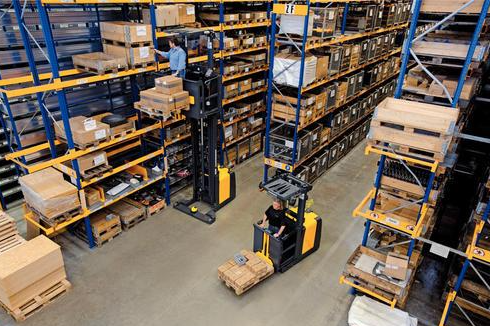
✅ S1P: Dry Environments + Light Industry / Warehousing
Key Features:
● Toe protection + puncture resistance
● High breathability
● No emphasis on waterproofing
Typical Applications:
● Logistics warehouses
● Indoor assembly lines
● Electronics manufacturing
● Light mechanical processing
If your workplace is mainly indoors, with dry floors and a focus on comfort and breathability, S1P offers the best value and comfort.
✅ S3: Industrial-Grade Protection + Indoor & Outdoor Use
Key Features:
● Toe protection + puncture resistance
● Water-resistant upper
● Enhanced durability and abrasion resistance
Typical Applications:
● Construction sites
● Industrial manufacturing
● Logistics and mechanical processing
● Chemical and pharmaceutical industries
S3 is the most widely used and well-balanced safety shoe rating in industrial environments, suitable for most medium- to high-risk workplaces.

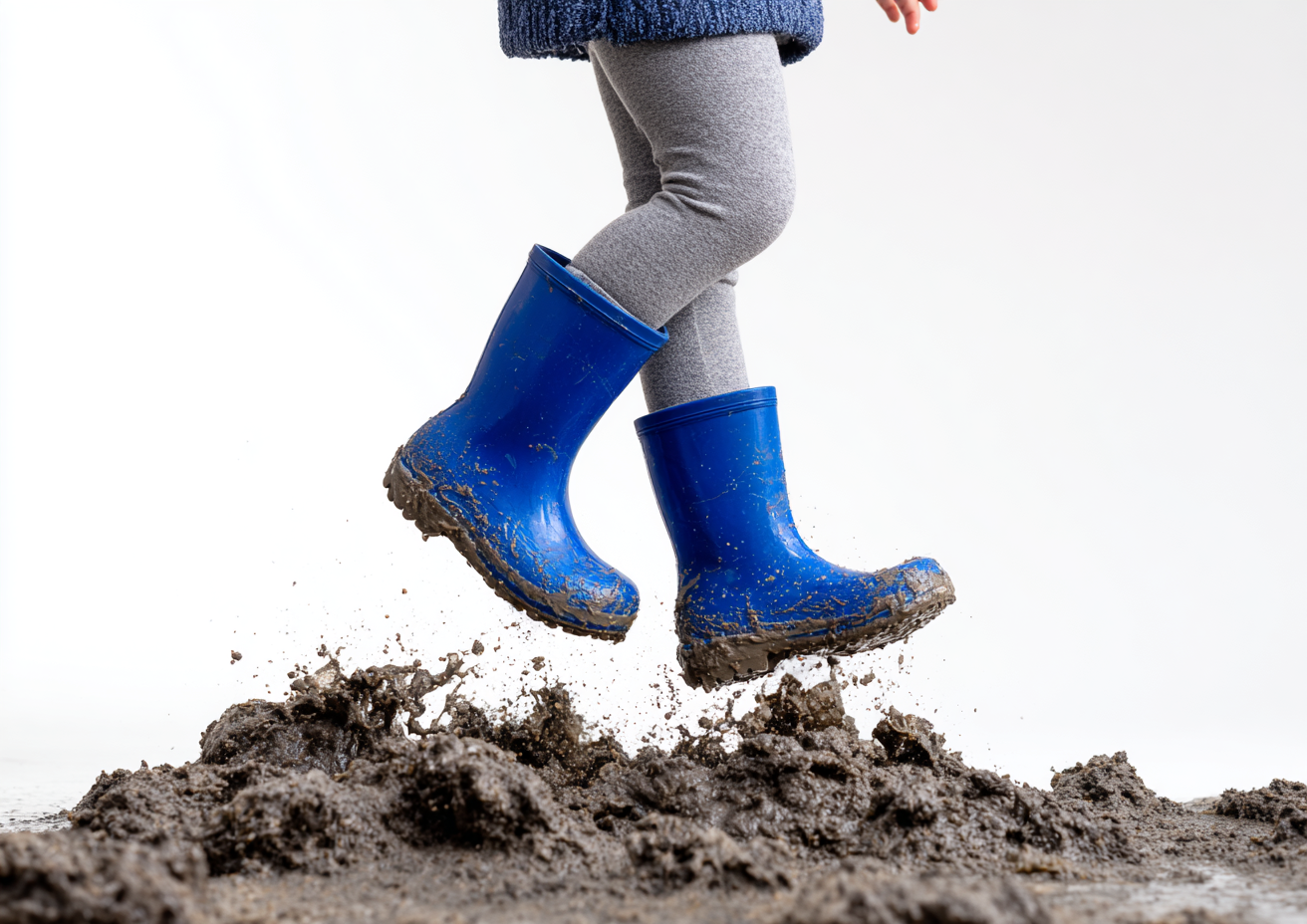
✅ S7: High-Risk + Rainy / Wet / Extreme Outdoor Environments
Key Features:
● Toe protection + puncture resistance
● Fully waterproof construction
● Superior shock absorption, slip resistance, oil and chemical resistance
Typical Applications:
● Projects in rainy regions
● Mining industry
● Oil and gas operations
● Long-term outdoor work
S7 safety shoes are designed for harsh environments, especially where frequent rain and complex ground conditions are involved.
2. Three Common Mistakes When Choosing Safety Shoes
Mistake 1: Assuming toe and puncture protection is enough
Ignoring waterproofing and working conditions can significantly shorten shoe lifespan.
Mistake 2: Thinking all safety shoe ratings are similar
Different ratings involve very different test requirements and durability standards.
Mistake 3: Focusing only on price and ignoring certification
Shoes not certified to EN ISO 20345:2022 + A1:2024 may fail audits or project compliance checks.
3. Why “Warehousing = S1P, Industry = S3, Rainy Areas = S7”?
This rule is based on extensive real-world project procurement experience:
● Warehousing / Indoor work → S1P: Lightweight, breathable, reduces fatigue
● Industrial / Construction → S3: Comprehensive protection, longer service life
● Rainy / Outdoor environments → S7: Waterproof + slip-resistant + shock-absorbing for lasting safety
4. Safetoe Recommended Safety Shoes (S1P / S3 / S7)
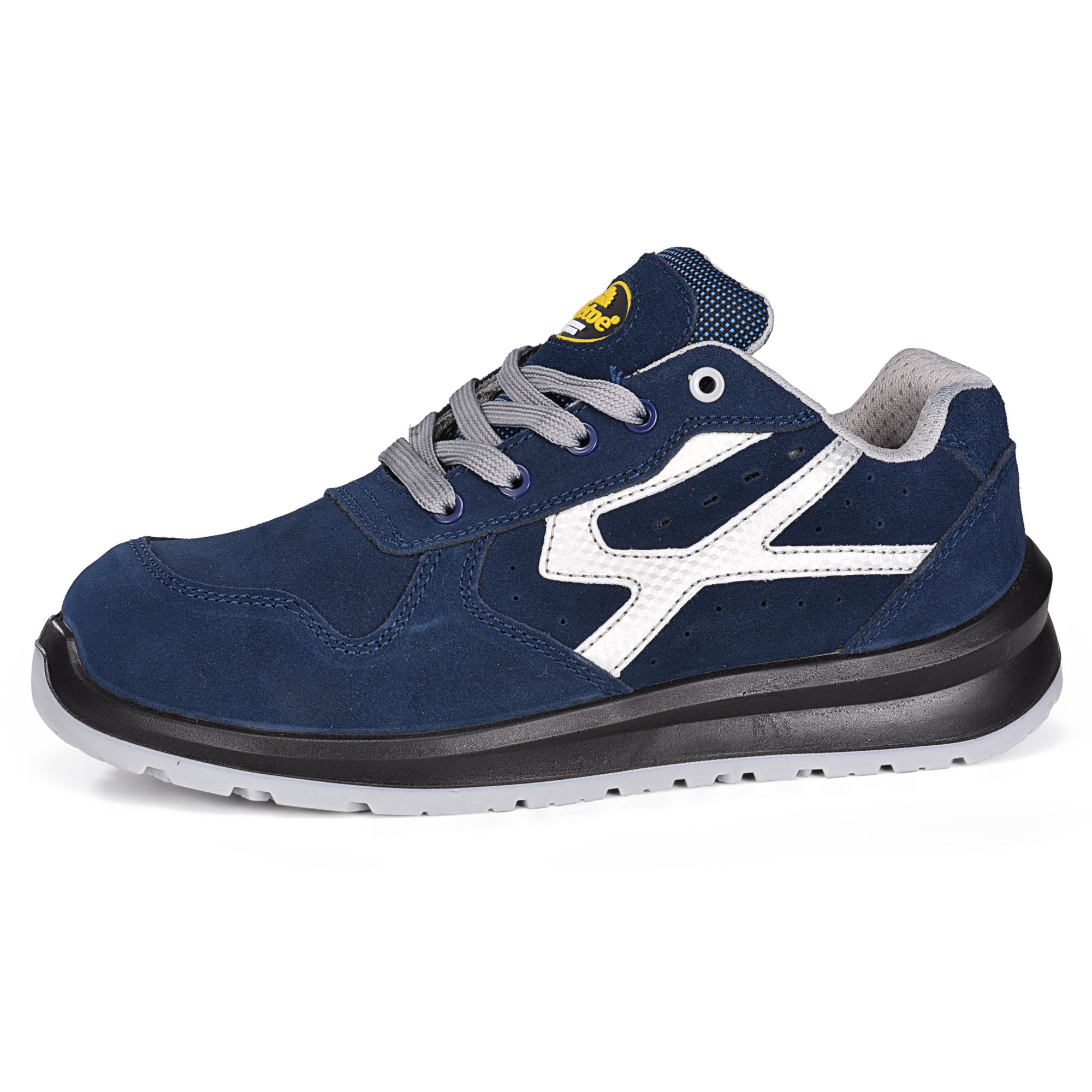
⭐ L-7328 (S1P) | Qing Yi An
Lightweight, breathable safety shoes with impact and puncture protection
● Breathable suede leather upper
● Composite toe cap ≥200J
● Kevlar puncture-resistant midsole ≥1100N
● Memory foam anti-fatigue insole
● Standard: EN ISO 20345:2022 + A1:2024 S1P-PS
Ideal for: logistics warehouses / light industry / precision manufacturing
Article links:
L-7328B Qing Yi An: Summer Breeze–Level Breathable Anti-Smash & Anti-Puncture Safety Shoes
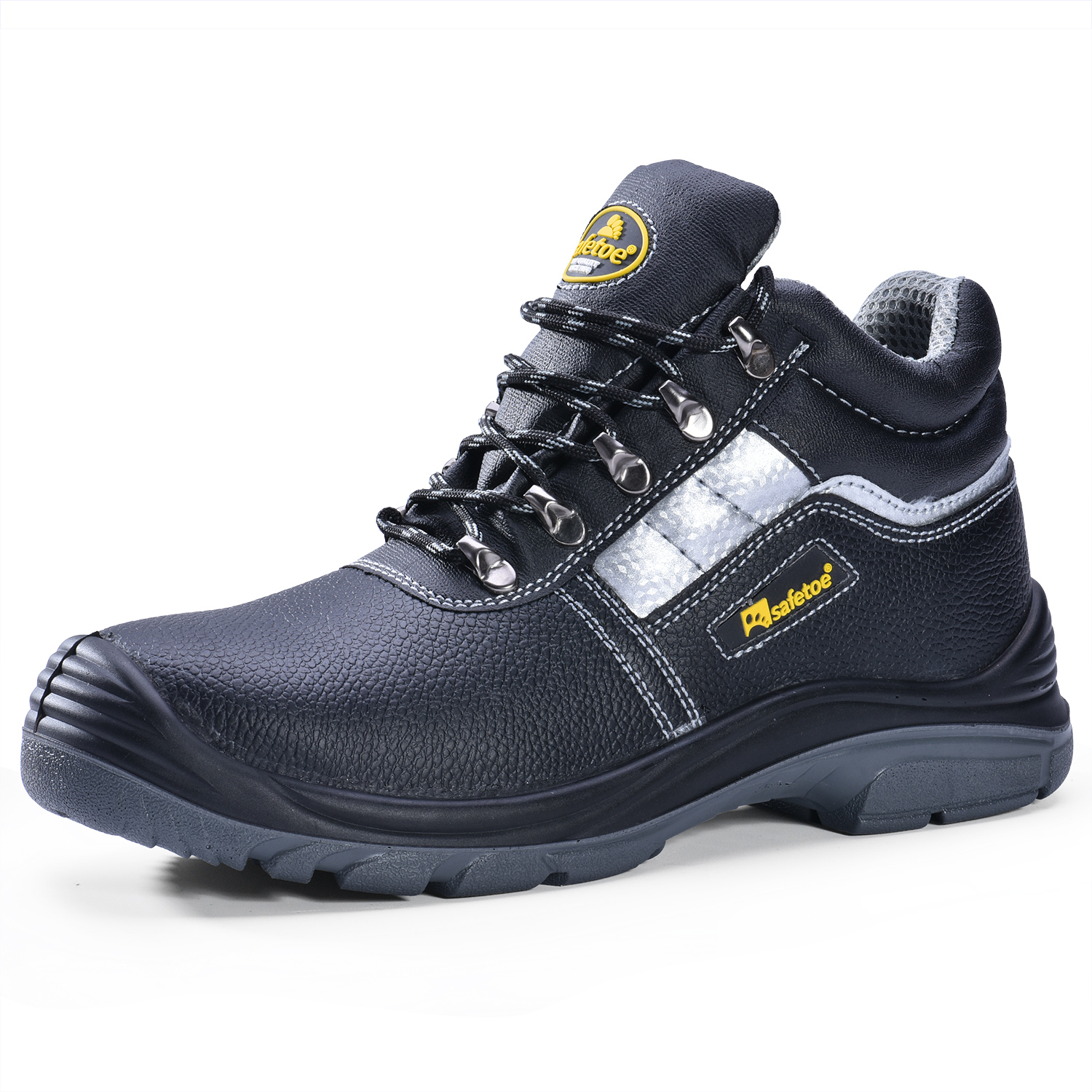
⭐ M-8027 (S3) | WorkGuard Pro
Dual-certified industrial safety shoes (China GB & EU EN standards)
● Imported waterproof embossed leather
● Steel toe cap + steel midsole
● Impact and puncture resistance ≥200J / ≥1100N
● Service life increased by 30%
● Standard: EN ISO 20345:2022 + A1:2024 S3
Ideal for: construction / industrial manufacturing / chemical industry
Article links:
M-8027 WorkGuard Pro: The Safety Shoe That Walks With the Worker
SAFETOE Signs Exclusive Distributor Agreement with Pumps Tech (Fiji) at the 2025 Autumn Canton Fair
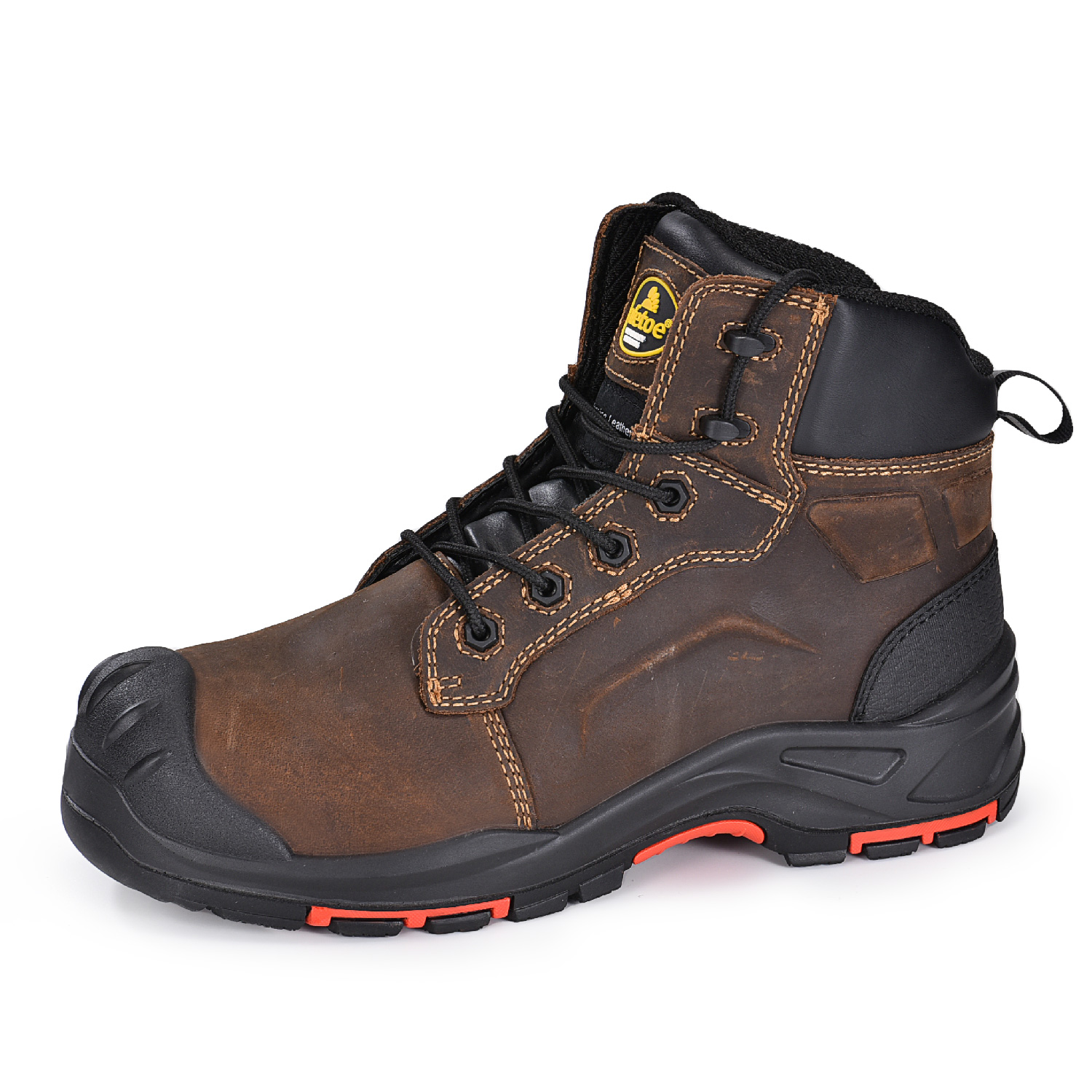
⭐ M-8552 (S7) | Tank
High-level safety shoes designed for harsh environments
● Full-grain imported waterproof crazy horse leather (+30% lifespan)
● Waterproof sock-like inner construction for rain and snow
● Composite toe cap + Kevlar midsole
● High shock absorption, slip resistance, oil resistance, antistatic
● Standard: EN ISO 20345:2022 + A1:2024 S7
Ideal for: mining / outdoor engineering / rainy regions
Article links:
M-8552 “Tank” Safety Shoes: Industrial-Grade Protection Against Impact, Puncture, and Slips
How to Choose Safety Boots for the Oil & Gas Industry? 3 Recommended S3 Work Boots Middle East Workers Trust
SAFETOE Safety Shoes Achieve ASTM F2413-24 Certification, Ensuring Comprehensive Protection for North American Workers
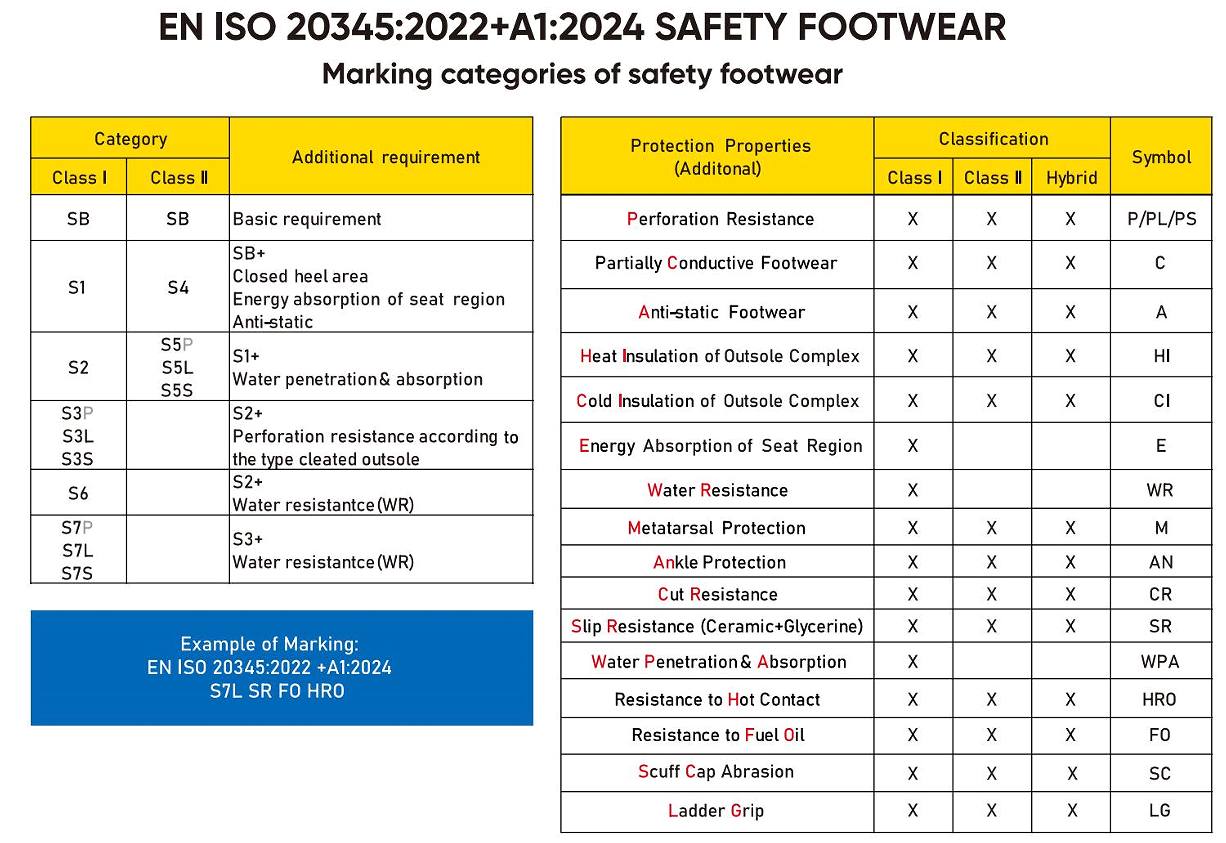
5. Certification Reference
EN ISO 20345:2022 + A1:2024 Safety Footwear Marking Categories
FAQ
Q1: What is the main difference between S1P and S3?
A: S3 builds on S1P by adding water resistance and greater durability, making it better suited for industrial environments.
Q2: Is S7 necessary for rainy regions?
A: For long-term outdoor work in rainy conditions, S7’s waterproofing and slip resistance offer clear advantages.
Q3: Why choose the latest 2022 + A1:2024 standard?
A: The updated standard includes stricter testing requirements and is more likely to pass international audits and project approvals.
Conclusion
● Indoor / Warehousing → S1P
● Industrial / Construction → S3
● Rainy / High-Risk Environments → S7
Choosing the right rating matters more than simply choosing the most expensive shoe.
CTA
Not sure which safety shoe rating suits your workplace?
Contact Safetoe for professional recommendations, certification documents, and project quotations.
Request Samples / Get a Quote
Shop now: https://safetoework.com/
Wholesale: https://safetoe.net/
WhatsApp: +8615375354433
YouTube: @SAFETOE




 English


