Why Do Safety Glasses Become Uncomfortable?


Flexentra 06

Nose Pressure

Hard nose bridges create discomfort.

Flexentra 05

Temple Pressure

Tight temples cause fatigue.

Flexentra 03

Long Wearing Hours

Comfort decreases throughout the day.

Flexentra 04

Poor Fit

Improper fit affects stability and comfort.

How Flexentra™ Works?


Flexentra™ is a proprietary comfort cushioning system engineered for industrial safety eyewear. By integrating soft-contact components and ergonomic design principles, Flexentra™ helps reduce pressure points, improve fit stability, and support all-day comfort in demanding work environments.
Flexentra 07
Flexentra™ vs Standard Eyewear
FeatureFlexentra™Standard Eyewear
1Wearing Comfort★★★★★★★★
2Pressure Reduction★★★★★★★
3Fit Stability★★★★★★★★
4Long-Term Wear★★★★★★★★
5User Experience★★★★★★★★

Comfort Demonstration


Foam Cushion Demonstration
All-Day Comfort Test

View All

Products Featuring Flexentra™

View All

Built for a Wide Range of Industries

Logistics
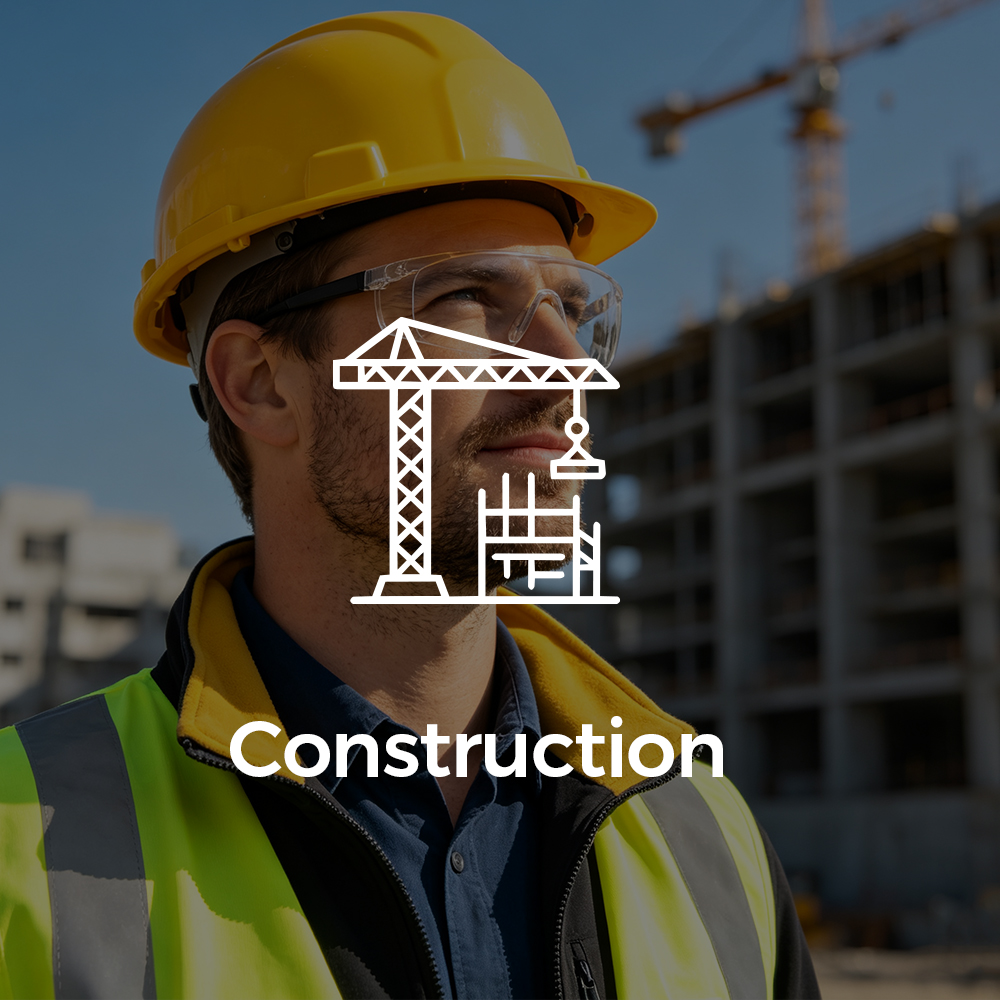
Construction
Construction
Construction

Related Videos & Blogs

View All

What Is AS/NZS 2210.3 Certification for Safety Shoes?
01

What Is AS/NZS 2210.3 Certification for Safety Shoes?

Learn about AS 2210.3:2019 safety footwear requirements, recommended Safetoe work boots and applications in Australian industrial workplacesWhat Is AS/NZS 2210.3 Certification for Safety Shoes?AS/NZS 2210.3:2009 was the earlier joint Australian and New Zealand safety-footwear standard. In Australia,

What Is AS/NZS 2210.3 Certification for Safety Shoes?

Learn about AS 2210.3:2019 safety footwear requirements, recommended Safetoe work boots and applications in Australian industrial workplacesWhat Is AS/NZS 2210.3 Certification for Safety Shoes?AS/NZS 2210.3:2009 was the earlier joint Australian and New Zealand safety-footwear standard. In Australia,
Wearing Glasses at Work? Here’s How to Choose the Right Safety Eyewear
01

Wearing Glasses at Work? Here’s How to Choose the Right Safety Eyewear

This article explains how to choose the right safety eyewear for workers who need to wear protective glasses or goggles over prescription glasses. It compares OTG safety glasses and OTG safety goggles, showing that lightweight OTG glasses are better for daily work and long shifts, while full-coverage OTG goggles are more suitable for construction, dust, splashes, and harsh environments. The article also highlights common mistakes such as choosing eyewear that is too small, has no anti-fog performance, or does not match the work environment. Safetoe recommends SG035 CloudLens Air, SG009 BoundlessGuard, and SG007 StormGuard Elite as practical OTG eyewear solutions.

Wearing Glasses at Work? Here’s How to Choose the Right Safety Eyewear

This article explains how to choose the right safety eyewear for workers who need to wear protective glasses or goggles over prescription glasses. It compares OTG safety glasses and OTG safety goggles, showing that lightweight OTG glasses are better for daily work and long shifts, while full-coverage OTG goggles are more suitable for construction, dust, splashes, and harsh environments. The article also highlights common mistakes such as choosing eyewear that is too small, has no anti-fog performance, or does not match the work environment. Safetoe recommends SG035 CloudLens Air, SG009 BoundlessGuard, and SG007 StormGuard Elite as practical OTG eyewear solutions.
The Role and Development of Safety Shoes
01

The Role and Development of Safety Shoes

This article explains the importance of safety shoes in protecting workers from different workplace hazards. It introduces the key roles of safety footwear, including protection from falling objects, punctures, cuts, electrical hazards, static electricity, slips, heat, and other jobsite risks. The article also reviews the development of safety footwear, from traditional steel toe shoes to modern safety shoes made with aluminum, composite, and carbon fiber toe caps. It highlights how safety shoes have evolved into specialized protective footwear with features such as metatarsal protection, puncture resistance, slip resistance, heat resistance, and electrical hazard protection.

The Role and Development of Safety Shoes

This article explains the importance of safety shoes in protecting workers from different workplace hazards. It introduces the key roles of safety footwear, including protection from falling objects, punctures, cuts, electrical hazards, static electricity, slips, heat, and other jobsite risks. The article also reviews the development of safety footwear, from traditional steel toe shoes to modern safety shoes made with aluminum, composite, and carbon fiber toe caps. It highlights how safety shoes have evolved into specialized protective footwear with features such as metatarsal protection, puncture resistance, slip resistance, heat resistance, and electrical hazard protection.
The difference and choice of work boots
01

The difference and choice of work boots

This article explains how to choose the right leather work boots after assessing workplace risks such as impact, compression, puncture, falling objects, rolling materials, and sharp tools. It compares steel toe caps and composite toe caps, highlighting their differences in strength, weight, comfort, thermal conductivity, electrical hazard applications, and metal-free advantages. The article also reminds buyers to consider safety standards, CE marking, jobsite risks, protection level, comfort, shoe shape, and wearer needs before selecting work boots.

The difference and choice of work boots

This article explains how to choose the right leather work boots after assessing workplace risks such as impact, compression, puncture, falling objects, rolling materials, and sharp tools. It compares steel toe caps and composite toe caps, highlighting their differences in strength, weight, comfort, thermal conductivity, electrical hazard applications, and metal-free advantages. The article also reminds buyers to consider safety standards, CE marking, jobsite risks, protection level, comfort, shoe shape, and wearer needs before selecting work boots.

FAQ

What Is a Comfort & Cushioning System in Safety Glasses?

A comfort and cushioning system is an ergonomic eyewear design that minimizes pressure on the nose bridge, temples, and ears while maintaining a secure fit throughout extended work shifts.

Instead of concentrating force on a few contact points, flexible materials and pressure-distribution structures spread the load more evenly across the face, reducing fatigue and improving wearing stability.

Comfortable safety glasses are more likely to remain properly worn, helping improve user compliance and workplace safety.

Flexentra™ Comfort & Cushioning System is engineered to deliver balanced support, reduced pressure, and reliable all-day comfort for demanding industrial environments.

Why Is Comfort Important for Workplace Safety?

How Does Flexentra™ Reduce Nose and Temple Pressure?

Which Industries Benefit Most from Comfortable Safety Glasses?

Can Comfort, Anti-Fog, and Scratch Resistance Work Together?

Why Choose Safetoe Safety Glasses with Flexentra™ Comfort & Cushioning System?

Ready to work with safetoe ?
Get pricing, samples, and distributor support from SAFETOE team.
Worldwide Leading Safety Protection Products Supplier.
 

Contact Us

Shanghai Langfeng Industrial Co., Ltd. (Safetoe)
Add: Room 905, Building A, No.2, Jibei Road 117, Shanghai, China (Mainland)
Tel : +86-021-5212 7320
Fax : +86-021-5212 1031
Wechat: +86-181 1626 8656
WhatsApp: +86-18116268656
E-mail: jay@safetoe.net
 
Copyright © 2021 Safetoe. All Rights Reserved. SItemap  Support By Leadong.