
 English

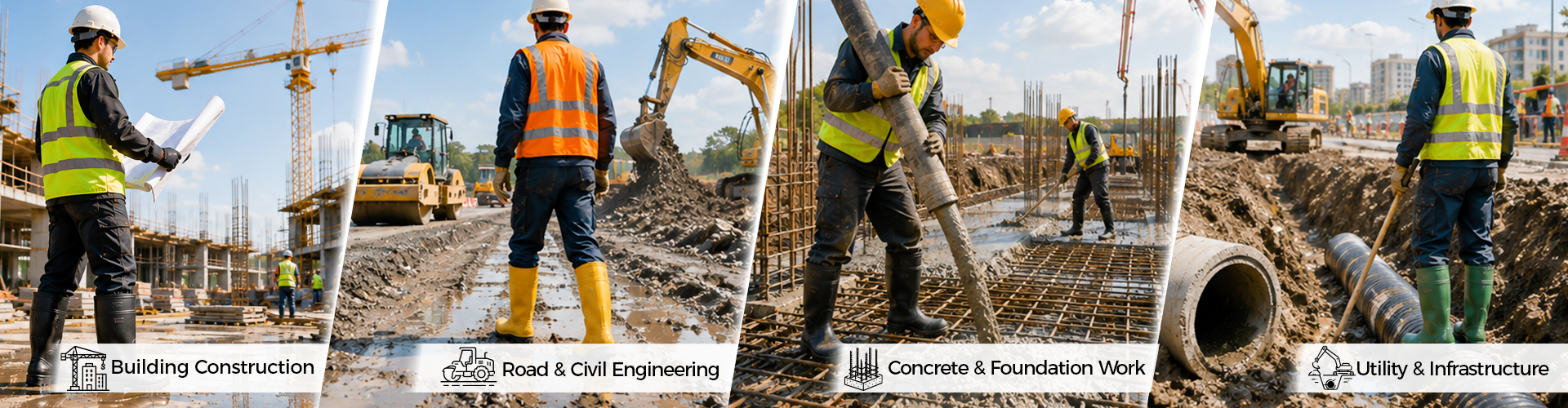
Challenges in Construction & Infrastructure
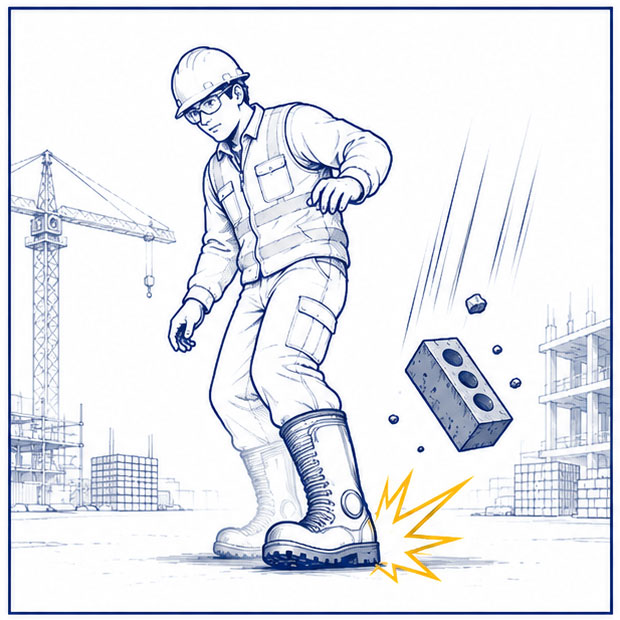
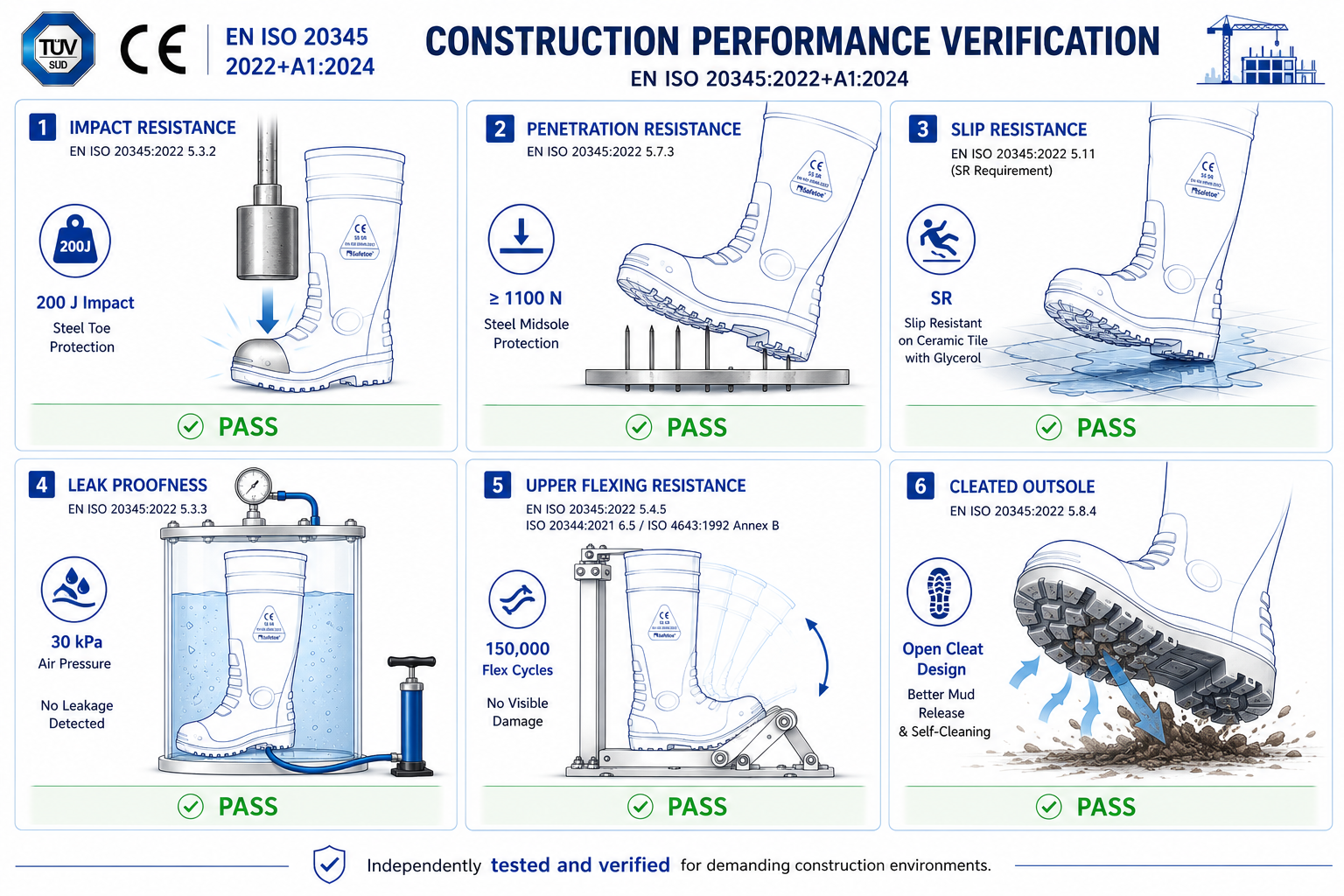
Falling Objects
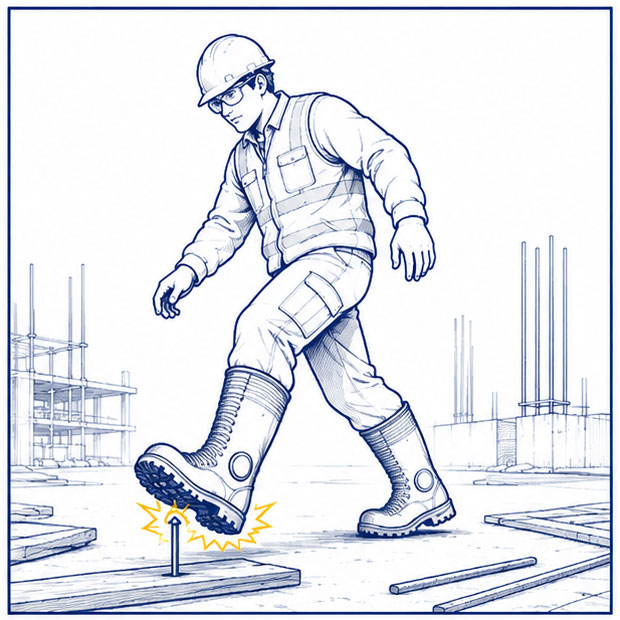
Sharp Objects Underfoot
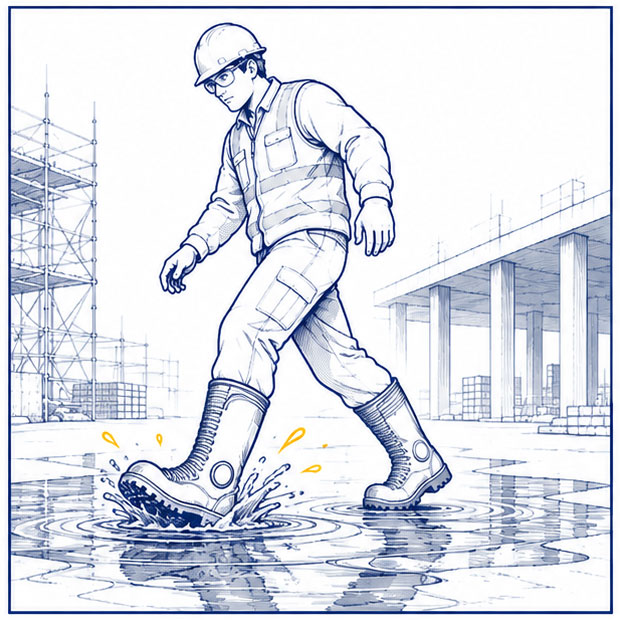
Wet Conditions
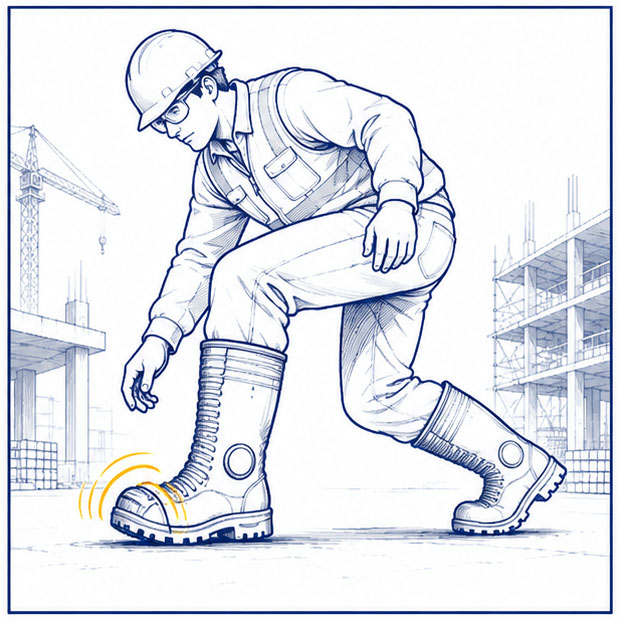
Repeated Flexing
Recommended Protection Technologies
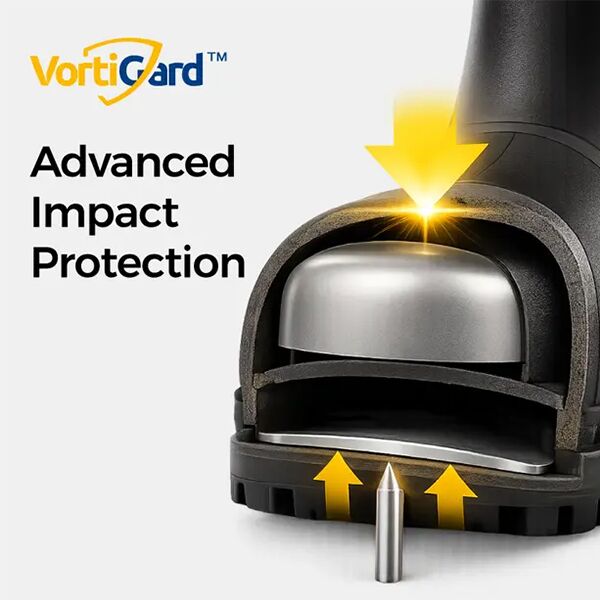
VortiGard™
Steel Toe Protection
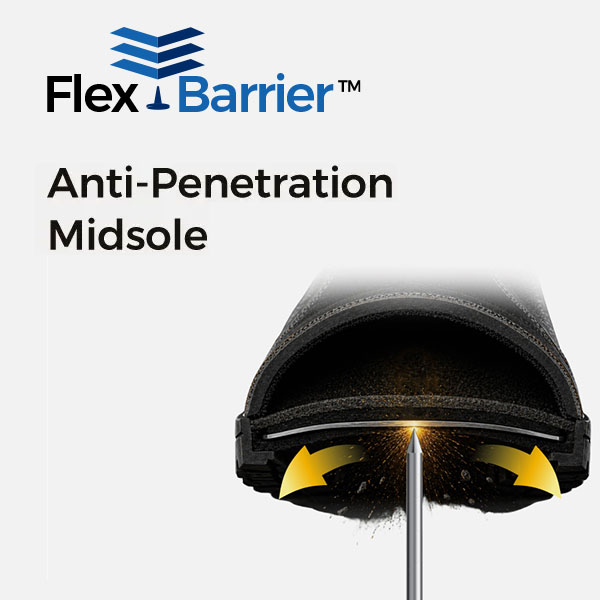
FlexBarrier™
Steel Puncture Midsole
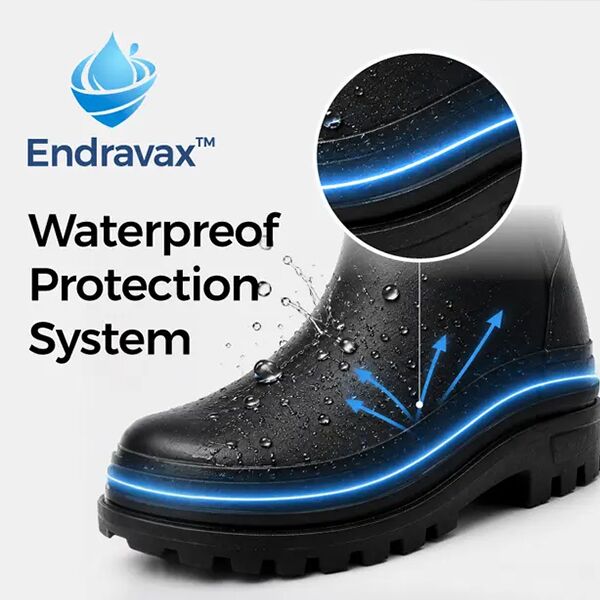
Endravax™
Waterproof PVC Construction
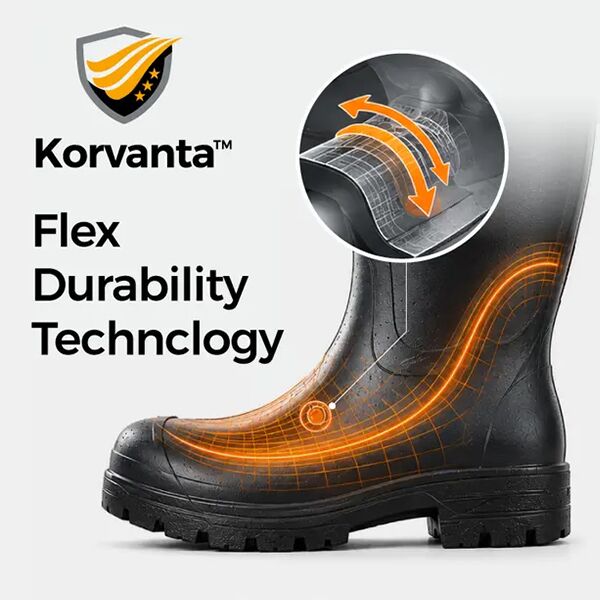
Korvanta™
Flex Durability Technology


Safety Wellington Boots Guide: How to Choose the Right Boots for Your Industry
Safety Wellington Boots Guide: How to Choose the Right Boots for Your Industry

How to Choose Safety Wellington Boots for Construction Work
How to Choose Safety Wellington Boots for Construction Work

What Are the Key Safety Standards and Technologies for Wellington Boots
What Are the Key Safety Standards and Technologies for Wellington Boots
Frequently Asked Questions
1.Why are safety Wellington boots recommended for construction sites instead of regular rain boots?
Construction sites expose workers to multiple hazards including falling tools, sharp debris, muddy ground, standing water, and slippery concrete surfaces, making ordinary rain boots unsuitable because they provide waterproof protection but lack certified impact and puncture resistance. Safety Wellington boots certified to EN ISO 20345 S5 or S5S combine waterproof construction, protective toe caps, puncture-resistant midsoles, and slip-resistant outsoles to reduce workplace injuries while maintaining comfort during long shifts. Safetoe Construction Wellington Boots are designed to deliver reliable protection for demanding infrastructure and civil engineering projects.
2.What safety features should construction Wellington boots have?
3.Are PVC Wellington boots suitable for concrete, mud, and wet construction environments?
4.How do Endravax™ and Korvanta™ technologies benefit construction workers?
5.How can contractors choose the right construction Wellington boots for different projects?
Looking for Construction Safety Wellington Boots?
Reliable waterproof protection for construction, infrastructure, and utility projects.
