
 English

Construction Noise Hazards
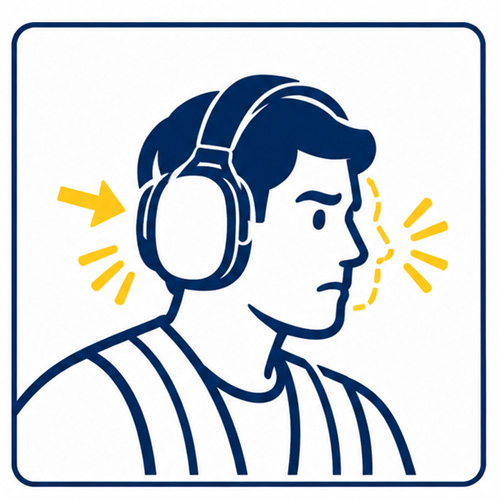
Noise Exposure
Assess Jobsite Noise
Measure actual workplace noise exposure rather than selecting hearing protection based only on equipment type.
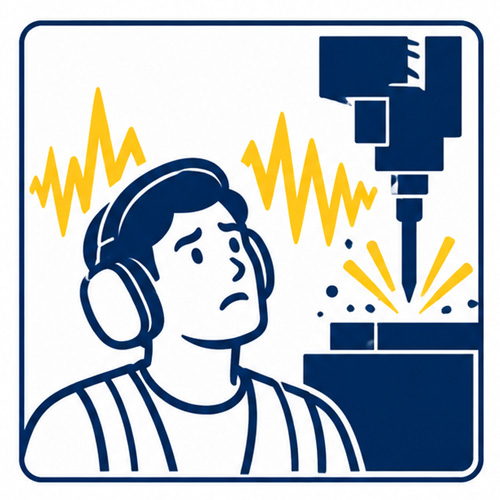
Attenuation
Choose Appropriate Noise Reduction
Select hearing protection with suitable attenuation for the measured exposure level.
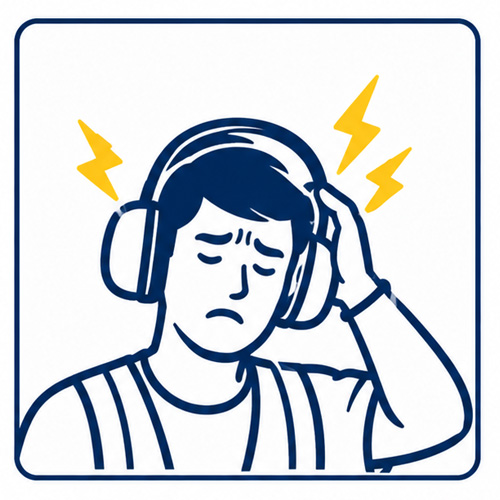
Fit & Comfort
Ensure Proper Fit
Effective protection depends on a consistent seal, secure fit and comfortable long-term wear.
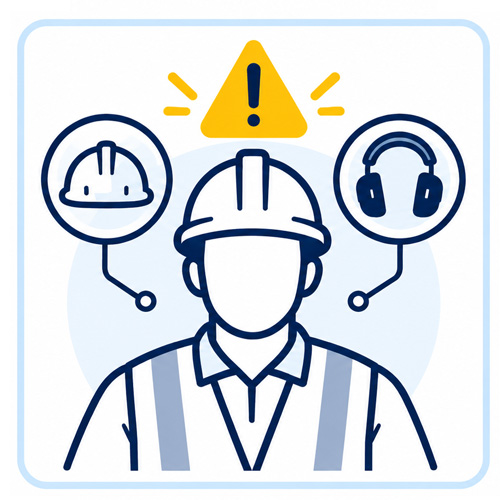
PPE Compatibility
Check PPE Compatibility
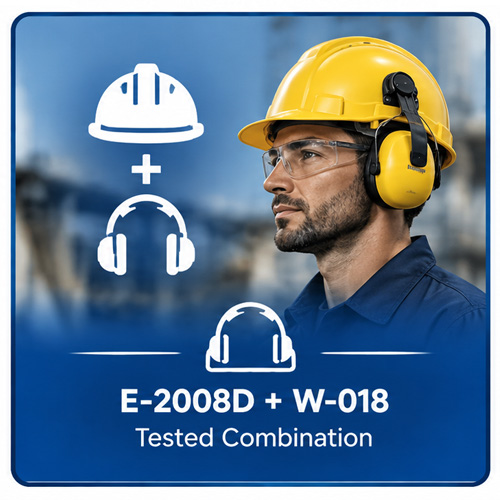
Consider safety helmets, safety glasses and other PPE when selecting earmuffs or helmet-mounted hearing protection.
Why Choose Safeyear Hearing Protection
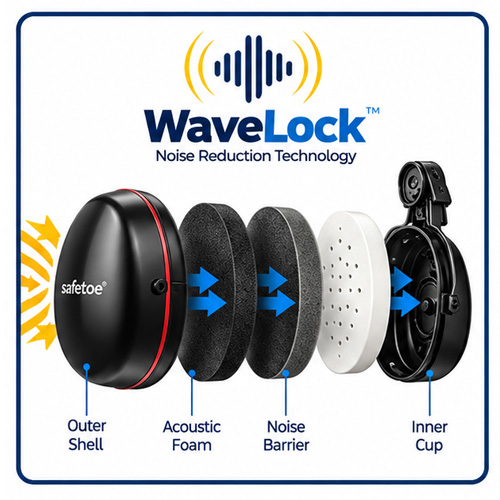
WaveLock™
Noise Reduction Technology
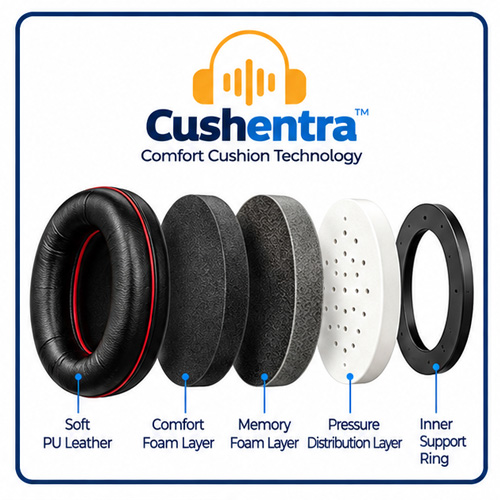
Cushentra™
Cushion Technology
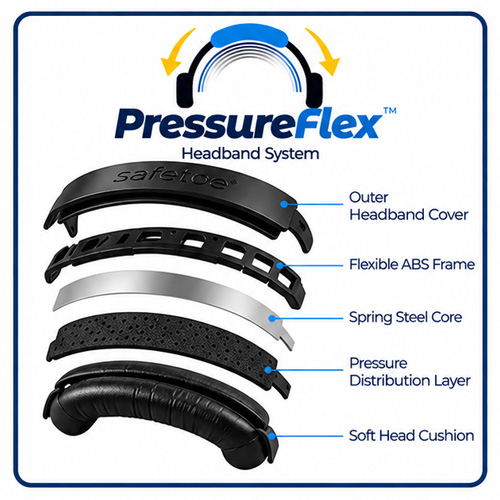
PressureFlex™
Headband System
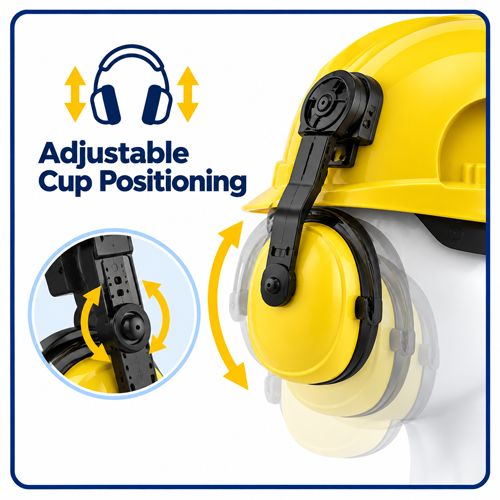
Adjustable Cup Positioning


Hearing Protection Standards & Compliance


Hearing Protection Selection Guide: What’s the Difference Between NRR and SNR? How to Choose Earmuffs vs Earplugs?
Hearing Protection Selection Guide: What’s the Difference Between NRR and SNR? How to Choose Earmuffs vs Earplugs?

How to Choose Hearing Protection for Construction Workers
How to Choose Hearing Protection for Construction Workers

EN 352-1 vs EN 352-2 vs EN 352-3: Hearing Protection Standards Explained
EN 352-1 vs EN 352-2 vs EN 352-3: Hearing Protection Standards Explained
FAQ
1. What Is the Best Hearing Protection for Construction Workers?
Construction workers are frequently exposed to high noise from jackhammers, concrete saws, grinders and heavy equipment. Choosing the right hearing protection depends on the noise level, working environment and whether other PPE such as safety helmets is required.
For most construction applications, "ANSI-tested earmuffs" provide reliable protection, long-lasting comfort and easy daily use. Foam earplugs are a cost-effective option for lighter noise or can be combined with earmuffs in extremely noisy environments.
"Safeyear offers industrial earmuffs, helmet-mounted earmuffs and disposable foam earplugs designed for professional construction projects."
2. How Loud Is a Typical Construction Site?
3. Are Earmuffs Better Than Earplugs on Construction Sites?
4. Can Earmuffs Be Worn with Safety Helmets?
5. How Do I Choose the Right Noise Reduction Rating (NRR)?
6. Why Choose Safeyear Hearing Protection for Construction Projects?
