
 English

Challenges in Agriculture & Farming
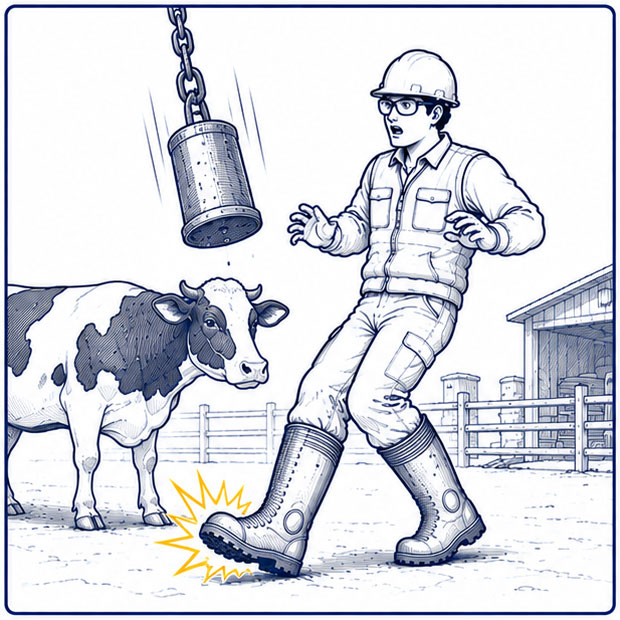
Livestock & Impact Hazards
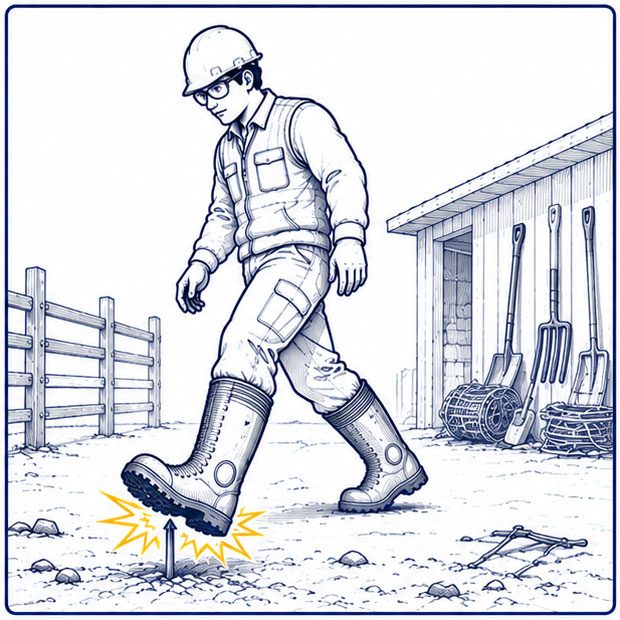
Sharp Objects Underfoot
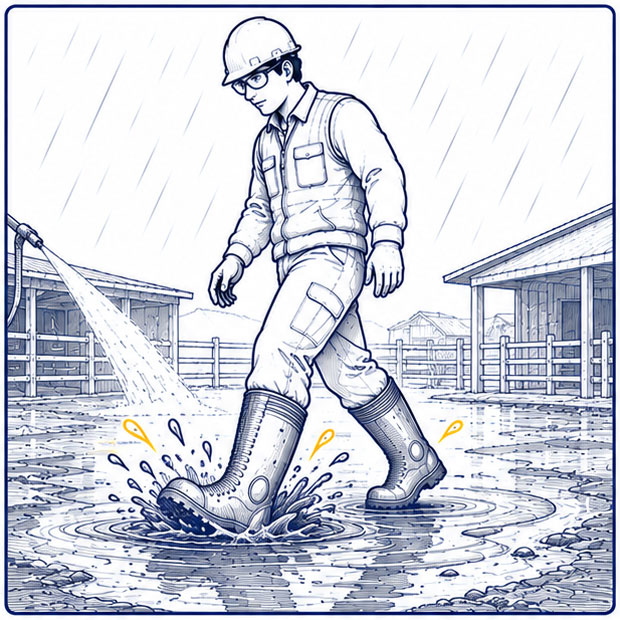
Wet & Muddy Conditions
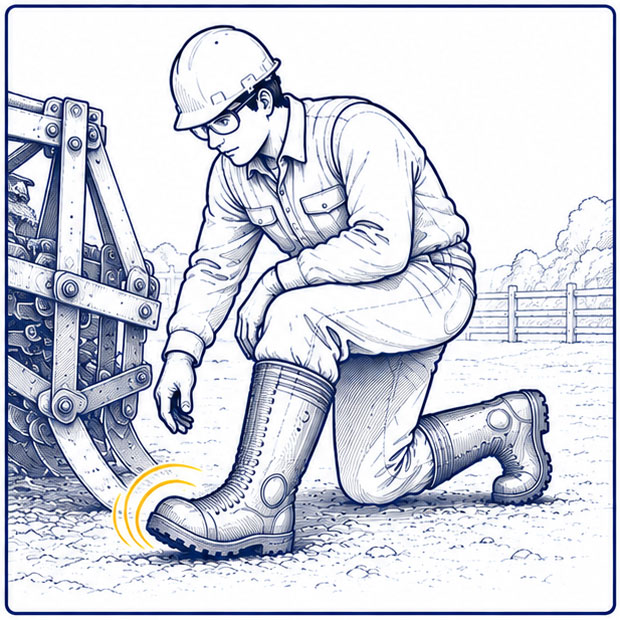
Repeated Flexing
Protection Technologies for Agricultural Wellington Boots

VortiGard™
Steel Toe Protection

FlexBarrier™
Steel Puncture Midsole
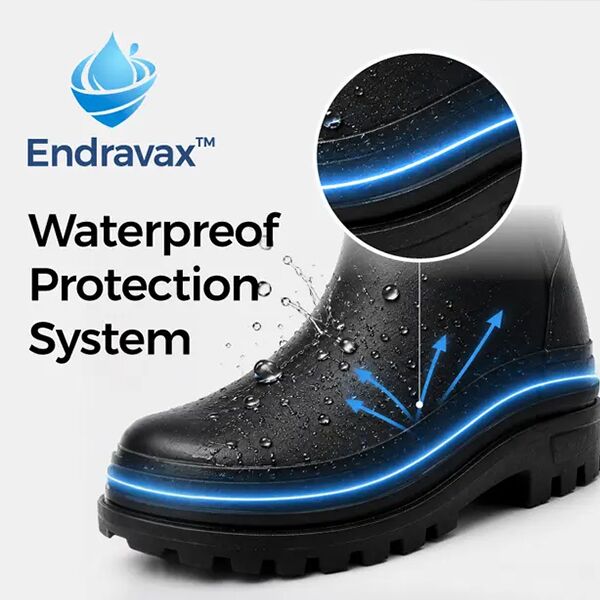
Endravax™
Waterproof PVC Construction
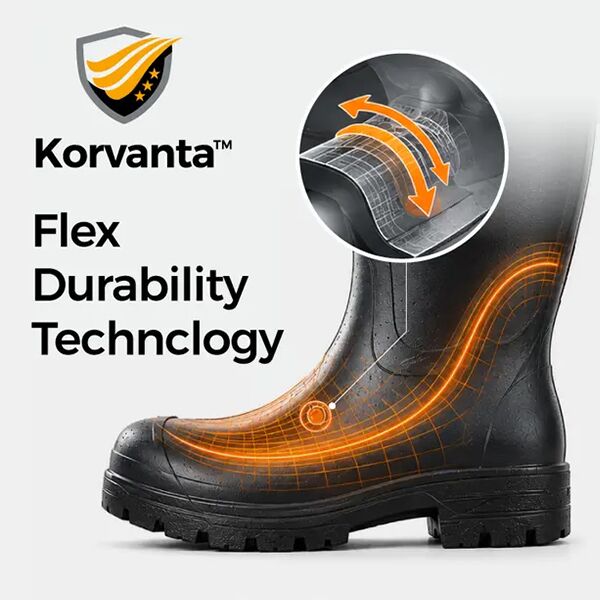
Korvanta™
Flex Durability Technology


Safety Wellington Boots Guide: How to Choose the Right Boots for Your Industry
Safety Wellington Boots Guide: How to Choose the Right Boots for Your Industry

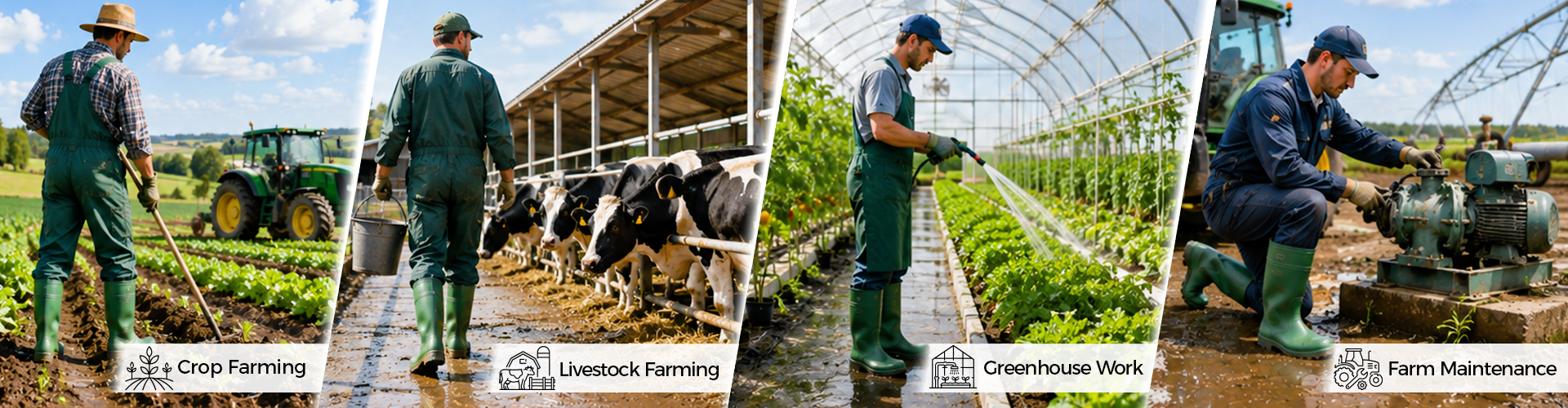
How to Choose Wellington Boots for Farming and Agriculture?
How to Choose Wellington Boots for Farming and Agriculture?

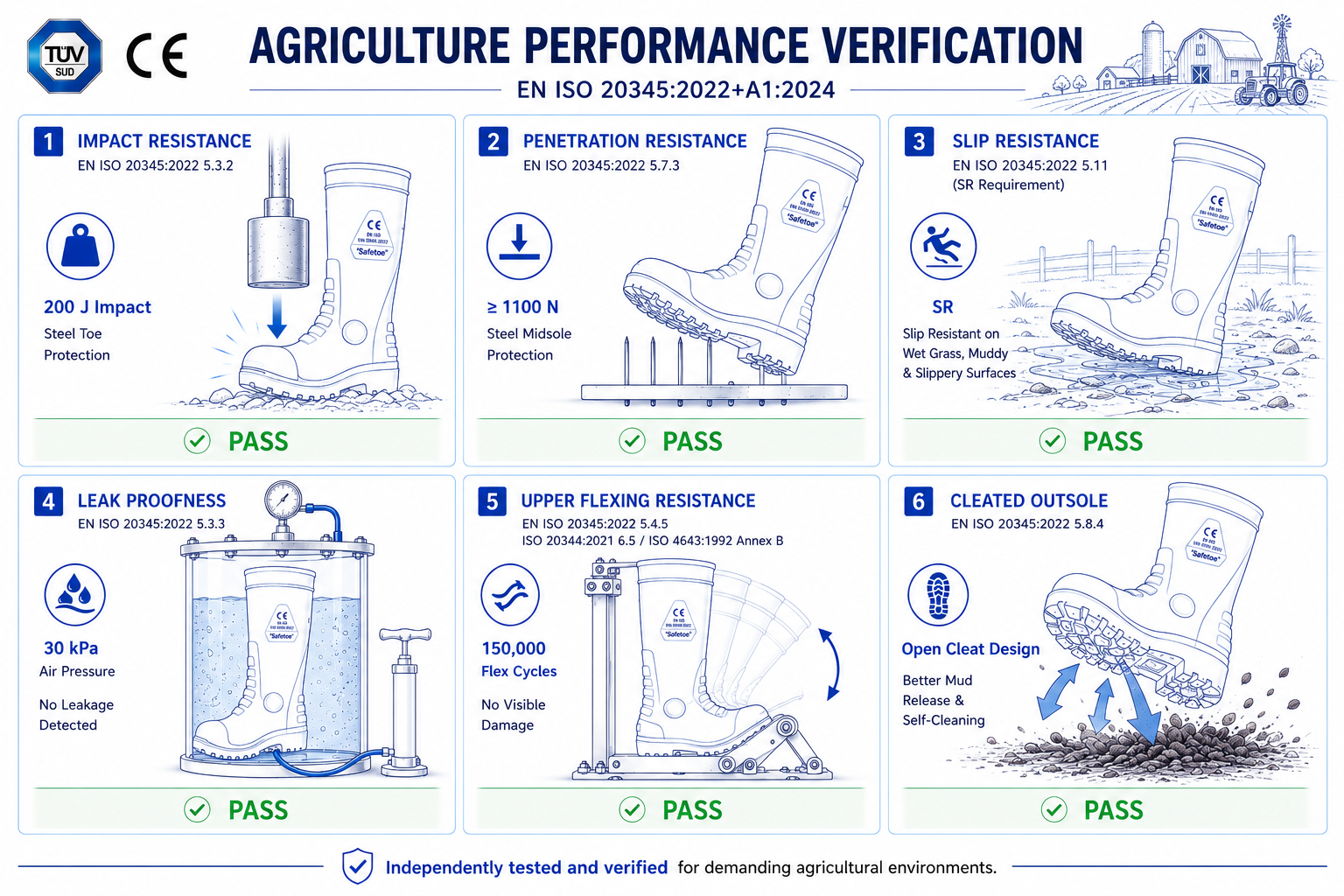
What Are the Key Safety Standards and Technologies for Wellington Boots
What Are the Key Safety Standards and Technologies for Wellington Boots
Agriculture Wellington Boots FAQ
1.Why are Wellington boots essential for modern agriculture and farming?
Modern agriculture exposes workers to mud, standing water, animal waste, fertilizers, sharp debris, and changing weather conditions every day, making waterproof protection alone insufficient for many farming tasks. Certified agricultural Wellington boots provide waterproof construction, slip-resistant outsoles, and, when required, protective toe caps and puncture-resistant midsoles to improve safety and comfort during long working hours. Whether used in crop farming, dairy operations, livestock breeding, or greenhouse production, choosing the right Wellington boots helps reduce slips, foot fatigue, and workplace injuries while improving daily productivity.
2.What features should the best agriculture Wellington boots include?
3.When should farmers choose safety Wellington boots instead of occupational boots?
4.How do Endravax™ and Korvanta™ technologies benefit agricultural workers?
5.How can farms choose the right Wellington boots for different agricultural tasks?
Looking for Agriculture Wellington Boots?
Find the right waterproof, occupational or safety Wellington boots for farms, livestock operations and agricultural projects.
