
 English

Why Face Protection Matters?

Flying Debris

Clear Visibility
All-Day Comfort

Work Efficiency

| CrystalShield™ VS Traditional Face Shield | ||||||
| Feature | CrystalShield™ | Traditional Face Shield | ||||
| 1 | Optical Clarity | ★★★★★ | ★★★ | |||
| 2 | Impact Protection | ★★★★★ | ★★ | |||
| 3 | UV Protection | ★★★★★ | ★★★ | |||
| 4 | Wearing Comfort | ★★★★★ | ★★★ | |||
| 5 | Flip-Up Design | ★★★★★ | ★★★ | |||
Solutions for Work Environment
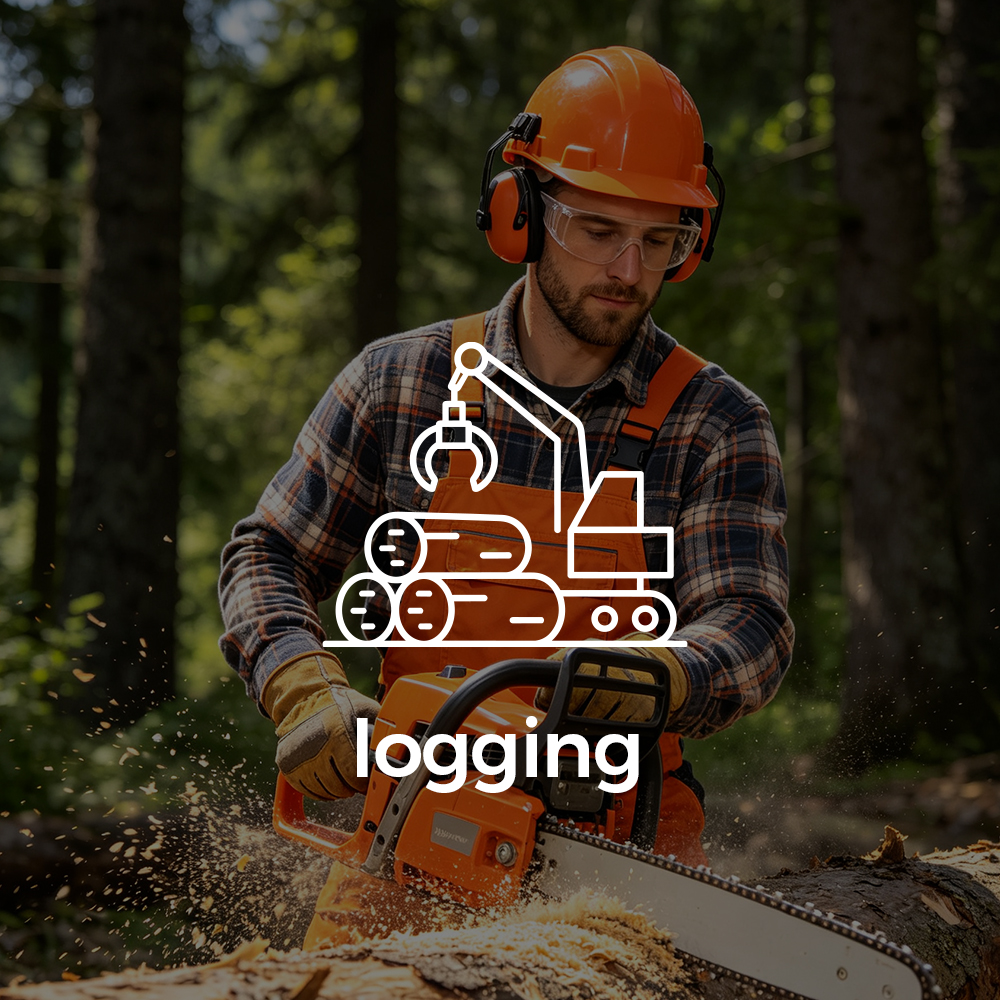
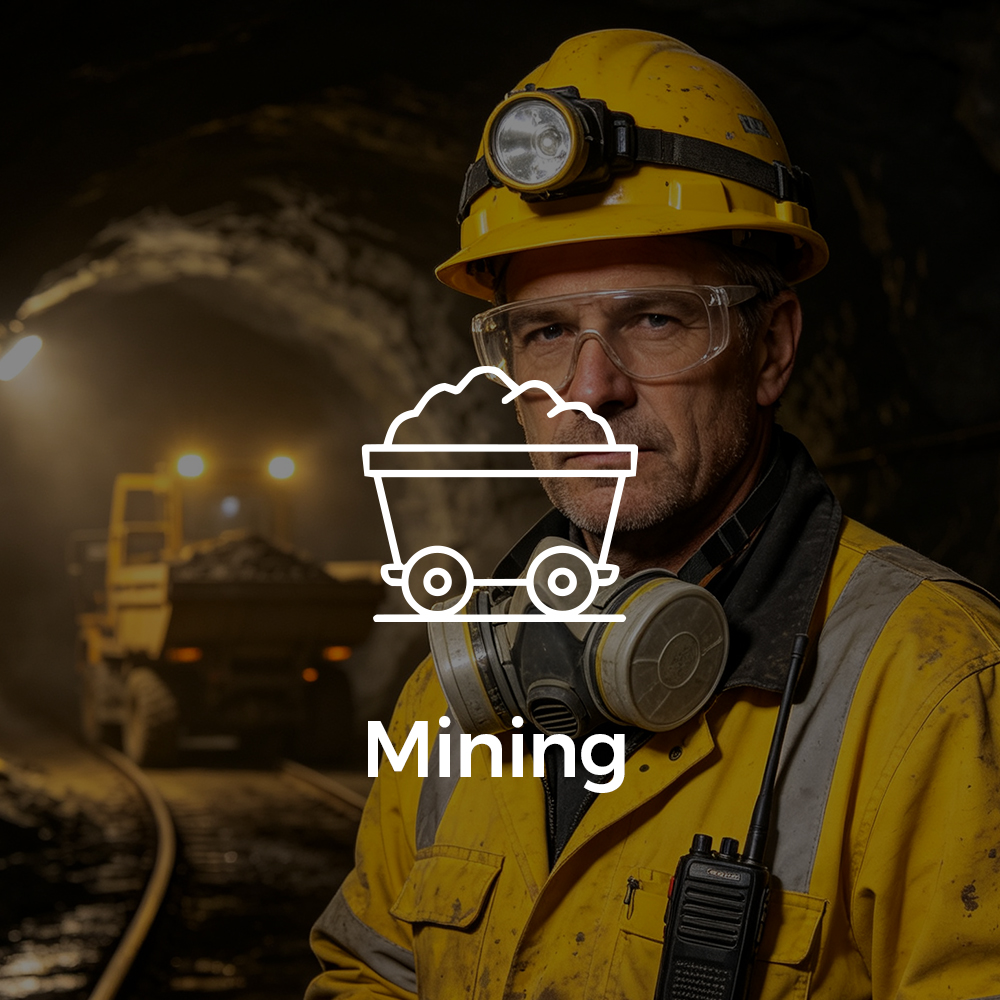
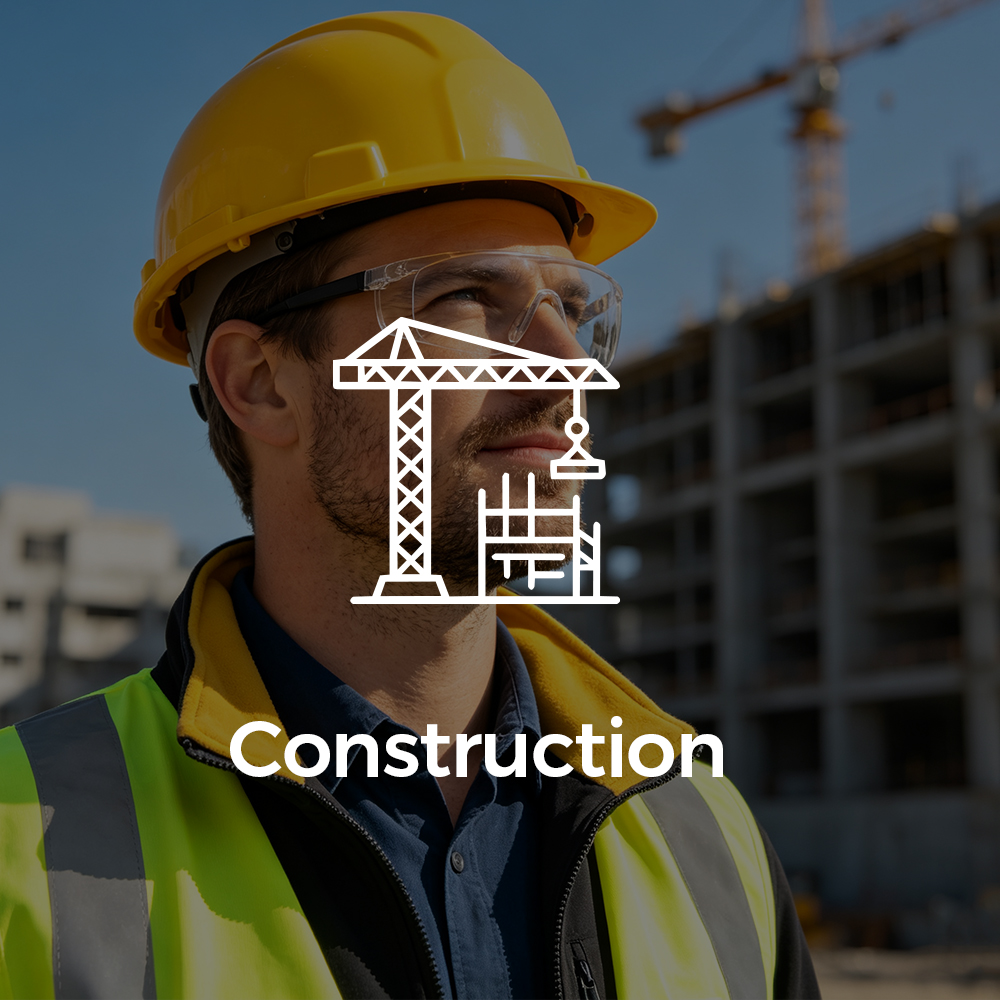


View All

Top 7 Construction Head Hazards and How to Choose a Safety Helmet

Choosing the Wrong Hard Hat Is a Real Risk

Ventilated ABS Safety Helmet: Professional Protection with EN397 & ANSI Dual Certification
Frequently Asked Questions
What is a face shield on a safety helmet, and when should it be used?
· A helmet-mounted face shield is designed to provide full-face protection against flying debris, wood chips, sparks, dust, and other workplace hazards while allowing the user to keep both hands free.
· Unlike safety glasses, a face shield protects the forehead, cheeks, chin, and a larger portion of the face, making it suitable for forestry, grinding, landscaping, industrial maintenance, and construction cutting.
· However, according to OSHA guidance, a face shield should generally be used together with appropriate primary eye protection when impact hazards exist.
· Safeyear's CrystalShield™ Face Protection Technology combines a high-clarity visor with an integrated helmet system to deliver wide visibility, reliable facial coverage, and professional comfort for demanding industrial applications.
What materials are commonly used for industrial helmet face shields?
Can a helmet face shield replace safety glasses?
What features make a high-quality helmet face protection system?
Can Comfort, Anti-Fog, and Scratch Resistance Work Together?
