
 English

Common Mining Challenges

Falling Rock
Overhead impact hazards

Low Visibility
Underground working conditions

Long Working Shifts
Comfort matters
Dust & Moisture
Harsh mining environments.
Built for Mining Environments
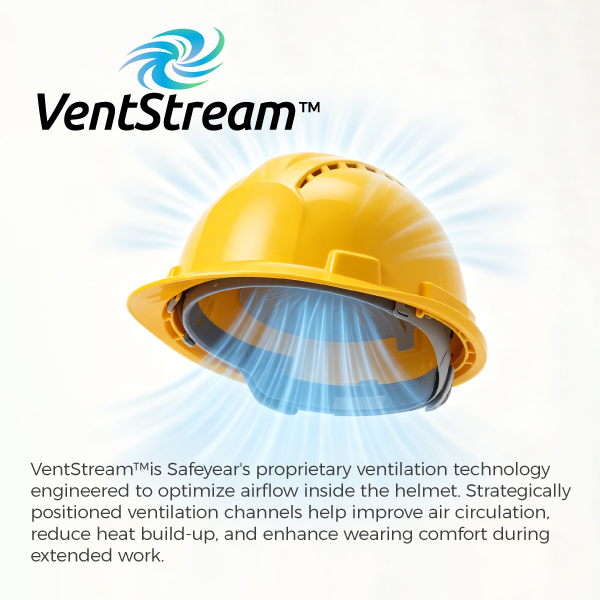
VentStream™
Cooler airflow
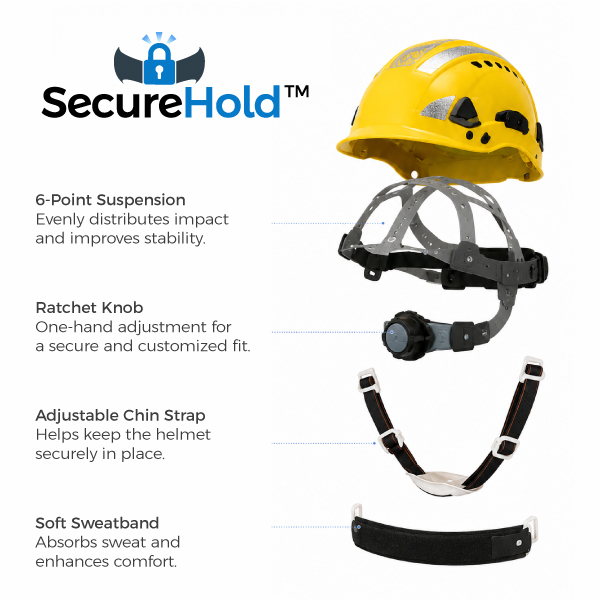
SecureHold™
Stable fit
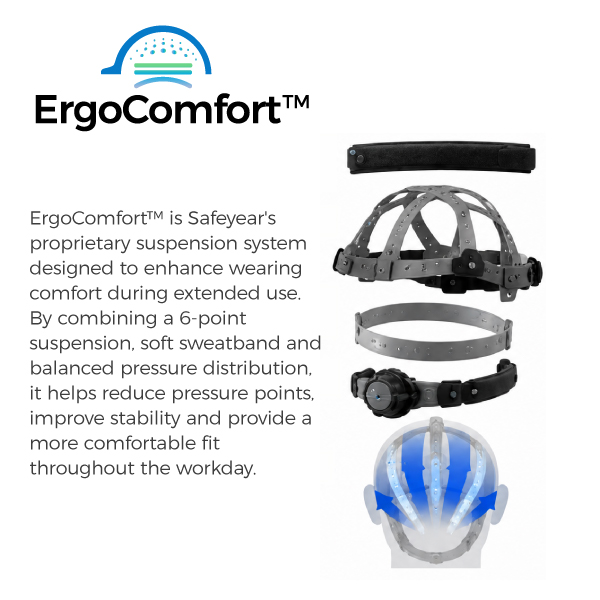
ErgoComfort™
Pressure reduction
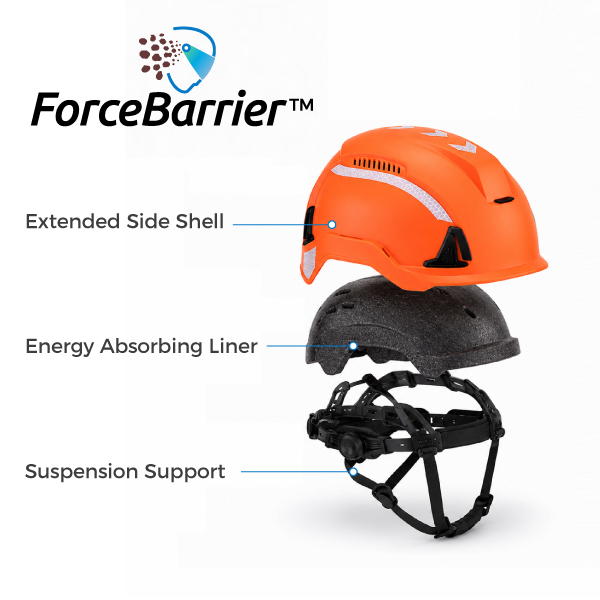
ForceBarrier™
Enhanced side coverage



Underground Mining

Surface Mining

Tunneling

Quarry

Coal Mining

Metal Mining

Ventilated ABS Safety Helmet: Professional Protection with EN397 & ANSI Dual Certification

2026 Safety Helmet Selection Guide: How to Choose Between Vented/Non-Vented,Type I/Type II, and Class E?

How to Choose Safety Boots for the Oil & Gas Industry? 3 Recommended S3 Work Boots for Middle East Projects

S1P vs S3 vs S7: How to Choose the Right Safety Shoe Rating
FAQ
1. Why are specialized safety helmets essential for mining?
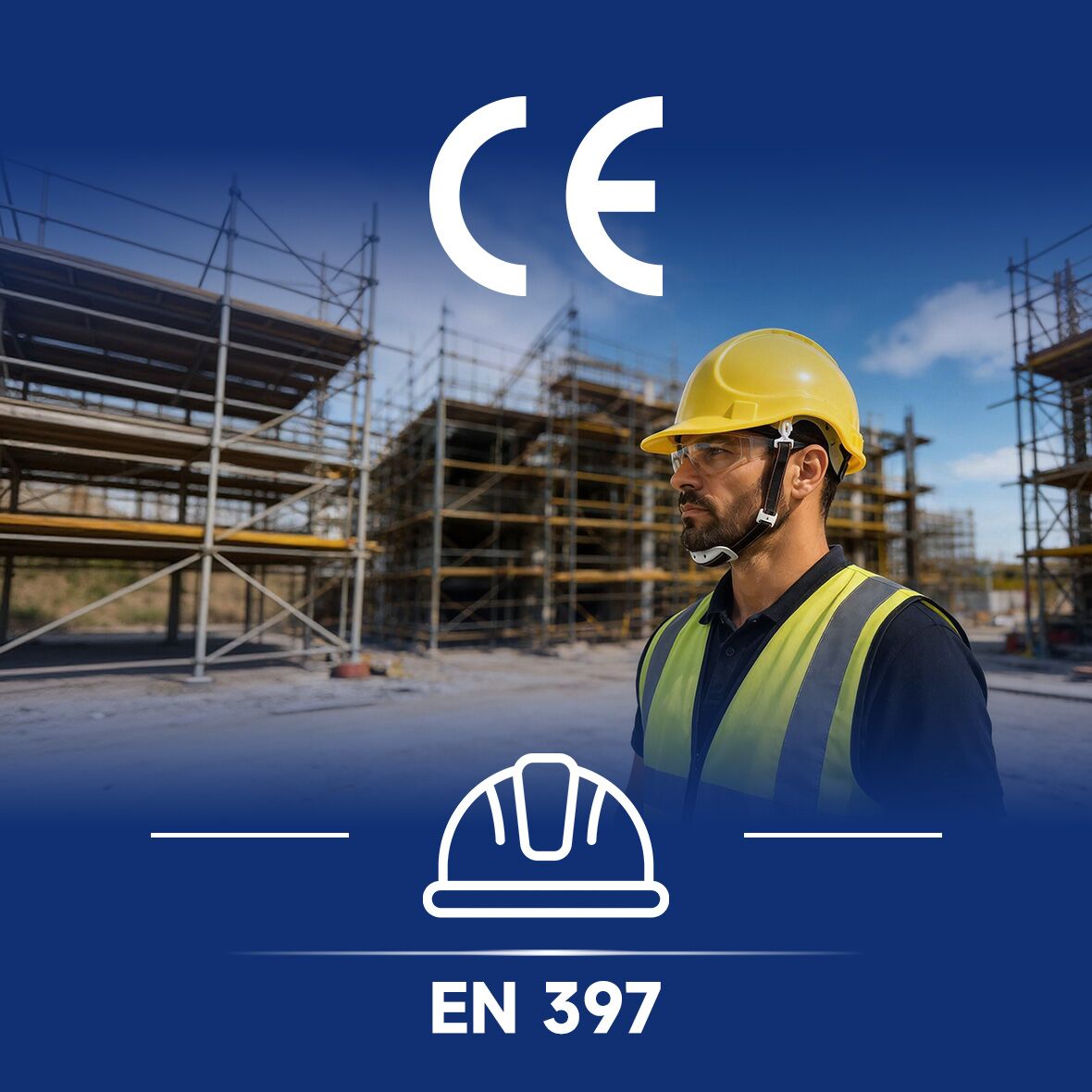
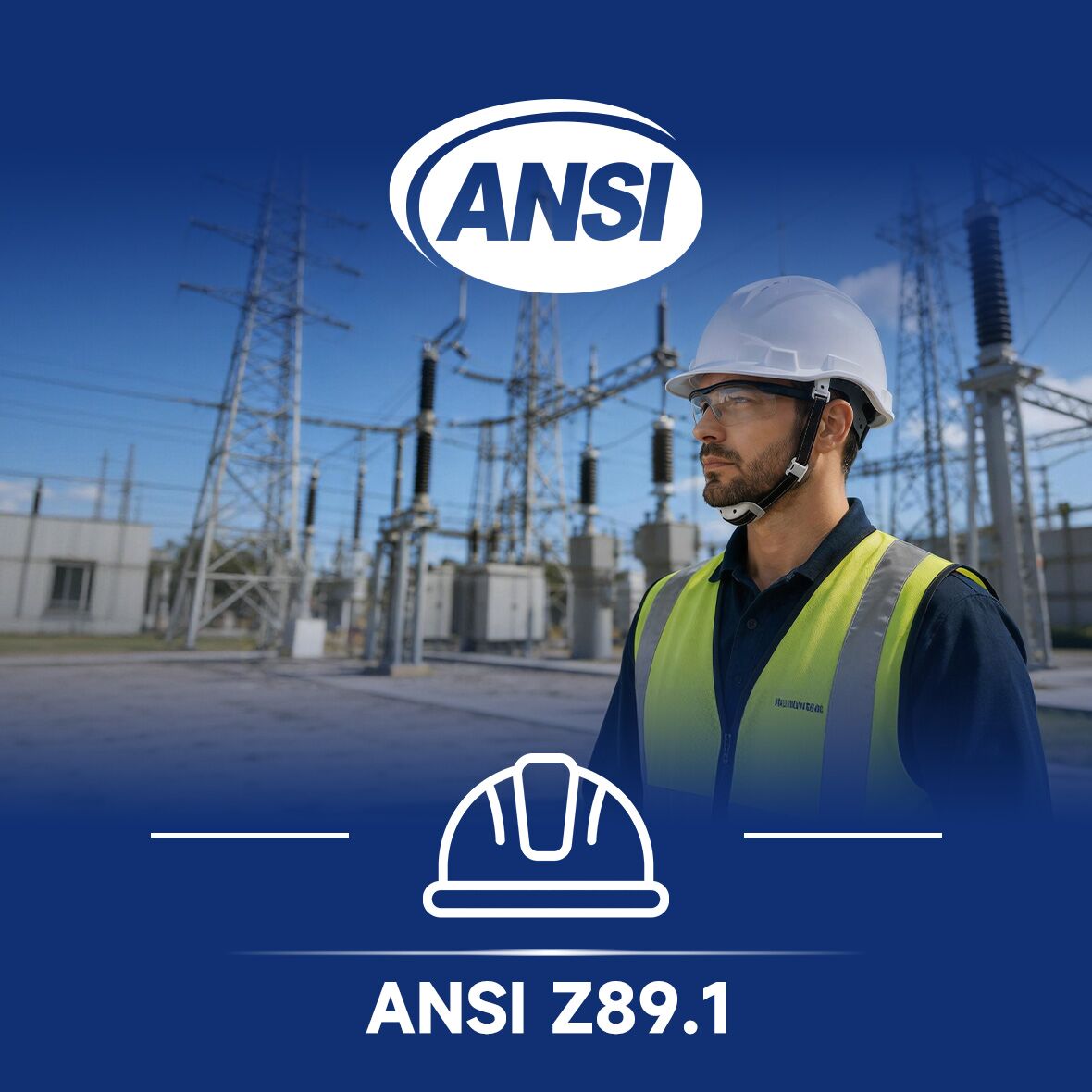
Mining environments present some of the most demanding head protection challenges in industry. Workers face hazards such as falling rocks, low overhead clearance, moving equipment, confined spaces, and accidental impacts from multiple directions. Underground operations may also require helmets compatible with cap lamps, hearing protection, and face shields for integrated PPE systems. A certified mining safety helmet helps absorb impact energy, resist penetration, and remain securely positioned during strenuous work. Employers should select helmets that comply with recognized standards such as EN 397 or ANSI/ISEA Z89.1 based on their site-specific risk assessment. **Safeyear** mining safety helmets are designed to deliver dependable protection, comfort, and accessory compatibility for both underground and surface mining operations.
2. What features should a mining safety helmet have?
3. Are mining safety helmets different from construction helmets?
4. How should a mining safety helmet be inspected before entering a mine?
5. Which mining operations benefit most from integrated helmet protection systems?
Protect Every Shift Underground.
Discover complete helmet systems trusted by mining professionals worldwide.
