In factories, construction sites, and manufacturing workshops, noise is often underestimated—but it is one of the most common and most hidden occupational health risks. For purchasing managers, HSE teams, and safety officers, choosing the right hearing protection is not only about employee comfort, but also about PPE compliance and overall workplace safety.
This guide explains the difference between NRR rating and SNR rating in a simple way, and provides a quick comparison table for earmuffs vs earplugs, helping you make a more reliable decision for industrial PPE procurement.
1. Why Do Workplaces Need Hearing Protection? (HSE / PPE Compliance)
Noise is not just “uncomfortable”—it causes long-term damage
The biggest issue with occupational noise is that the damage is cumulative. Long-term exposure to high-noise environments can cause hearing loss that is often irreversible, and it is not easy to notice in the early stages.
For companies, hearing protection is a typical part of Industrial PPE (Personal Protective Equipment) and a critical component of HSE management. It helps reduce:
● Long-term hearing damage risk
● Employee complaints and fatigue
● Safety incidents (unclear communication, alarms not being heard, etc.)
Which industries most often require noise reduction?
The following scenarios almost always require Noise Reduction hearing protection:
● Factory: stamping, injection molding, machining, production lines
● Construction: demolition hammers, cutting, drilling
● Mining: crushers, drilling rigs, high-noise equipment
● Workshop: grinding wheels, cutting and polishing operations
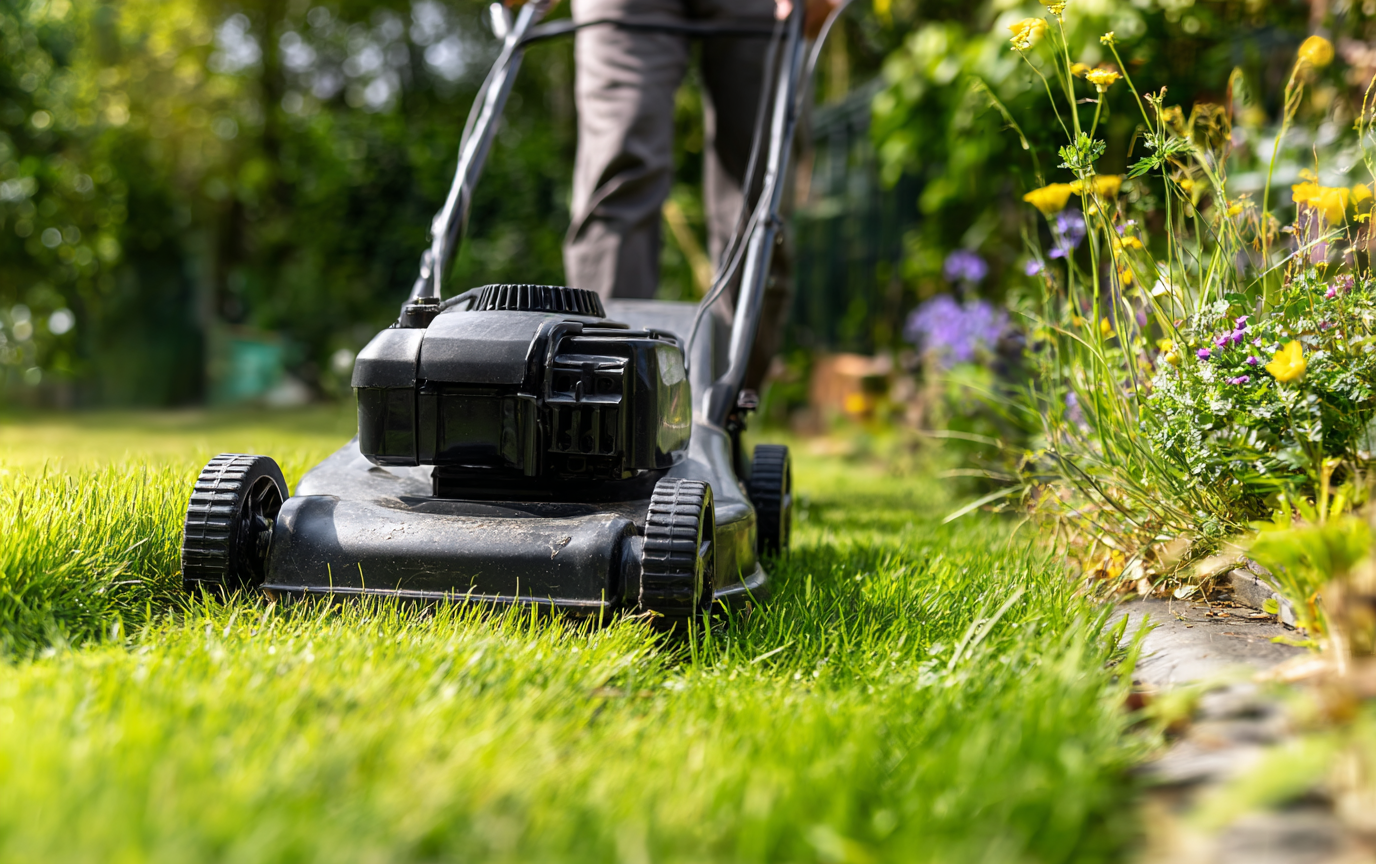
● Landscaping: lawnmowers, leaf blowers, powered tools
2. What’s the Difference Between NRR and SNR?
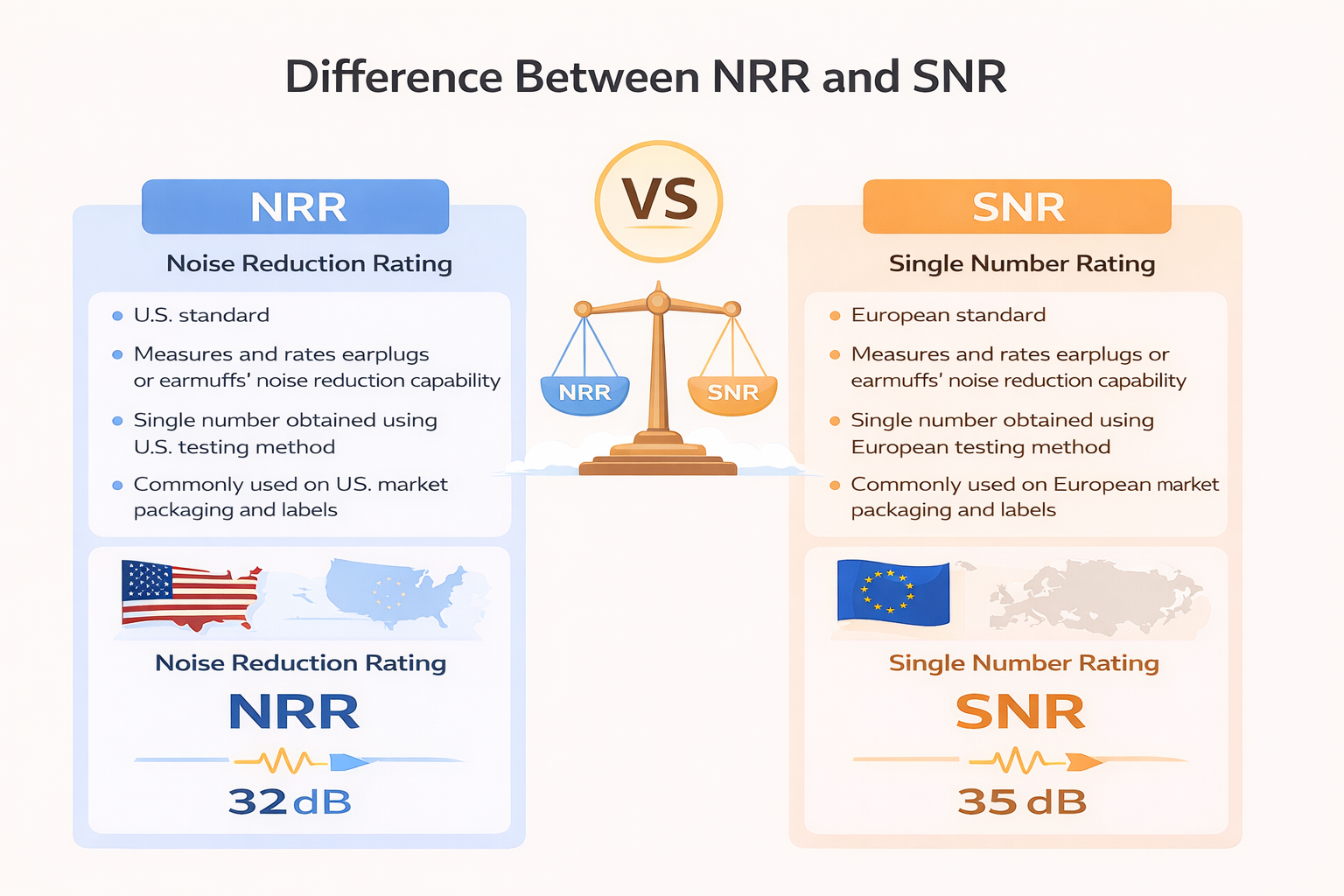
When purchasing hearing protection products, you will often see two types of ratings:
● NRR rating (USA)
● SNR rating (Europe)
Both indicate noise reduction performance, but they come from different standards.
NRR: A common U.S. indicator (ANSI test system)
NRR (Noise Reduction Rating) is mainly used in the U.S. market and is commonly based on the ANSI S3.19 test system.
You may see markings such as “NRR 26dB / NRR 32dB” on products.
✅ Typical applications:
● Projects in North & South America
● PPE programs requiring ANSI compliance
SNR: A common European indicator (EN 352)
SNR (Single Number Rating) is more widely used in Europe and is commonly based on the EN 352 standard series.
✅ Typical applications:
● EU projects / CE compliance requirements
● Tender procurement with specified EN standards
How should buyers understand NRR and SNR?
For procurement teams, the most practical way to understand them is:
✅ NRR and SNR are important for comparing products during selection
❌ But they are not the only factor, and “higher is not always better”In real working conditions, the actual noise reduction can also be affected by:
● Whether the product is worn correctly (especially earplugs)
● Whether the seal is tight (especially earmuffs)
● Interference with safety helmets or goggles
● Comfort and durability during long-term wear
3. Earmuffs vs Earplugs: Quick Selection by Work Scenario
Many buyers struggle with earmuffs vs earplugs—which one is better?
The best way is to decide based on the working scenario.
✅ Hearing Protection Quick Selection Table (Earmuffs vs Earplugs)
Work Scenario | Recommended Choice | Why |
Continuous high noise (long duration) | Earmuffs | More stable noise reduction, easy to wear correctly |
Frequent removal for communication | Earplugs / corded earplugs | Easier to insert/remove quickly, less chance of losing |
Must wear a safety helmet | Helmet-mounted earmuffs | Compatible with helmet, more secure fit |
Long wear time, comfort matters | Comfort earmuffs + replaceable ear cushions | Hygiene and ear cushion replacement become more important |
High hygiene requirement (shared use) | Disposable foam earplugs | Lower cost, less cross-contamination risk |
Key reminder: Comfort impacts compliance
In PPE programs, one factor is often overlooked:
If workers don’t want to keep wearing it, the PPE will not be effective.
For long-duration use, headband pressure, cushion breathability, and replaceable ear pads often matter more than “an extra 1–2dB”.
4. Three Procurement Tips (Avoid Costly Mistakes)
To reduce complaints and unnecessary repeat purchases, we recommend confirming these 3 points:
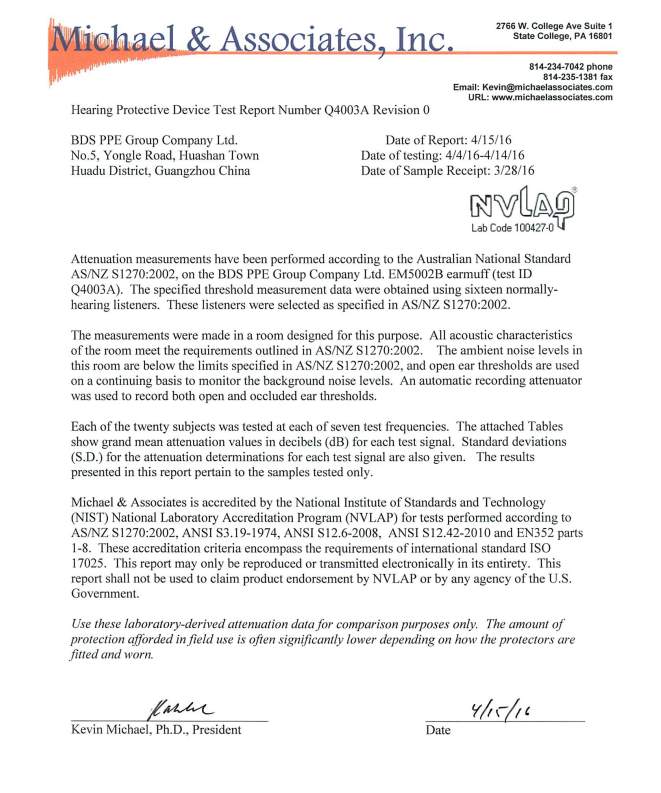
✅ Tip 1: Confirm certificates and test reports are available
Compliance procurement often requires:
● EN 352 / ANSI test references
● CE certificates or reports
● Product specification sheets (Spec Sheet)
Fast document support can directly affect tender efficiency and project delivery.
✅ Tip 2: Customization options (color/logo), MOQ & lead time
For factory distribution or project orders, common needs include:
● Different colors for different teams
● Brand or project logo customization
● Small trial orders + repeated bulk purchasing
Confirm MOQ and lead time in advance to avoid delays or stock shortages.
✅ Tip 3: Long-term supply of accessories/consumables (ear cushions, etc.)
Earmuffs are long-term PPE, but the key consumable part is the ear cushions (ear pads).
If replacement cushions cannot be supplied consistently, the earmuffs may become “use until broken,” increasing long-term cost.
5. Safetoe Recommended Models: Earmuffs + Earplugs for Project Use
Below are three practical combinations for factories, construction sites, and project distribution:
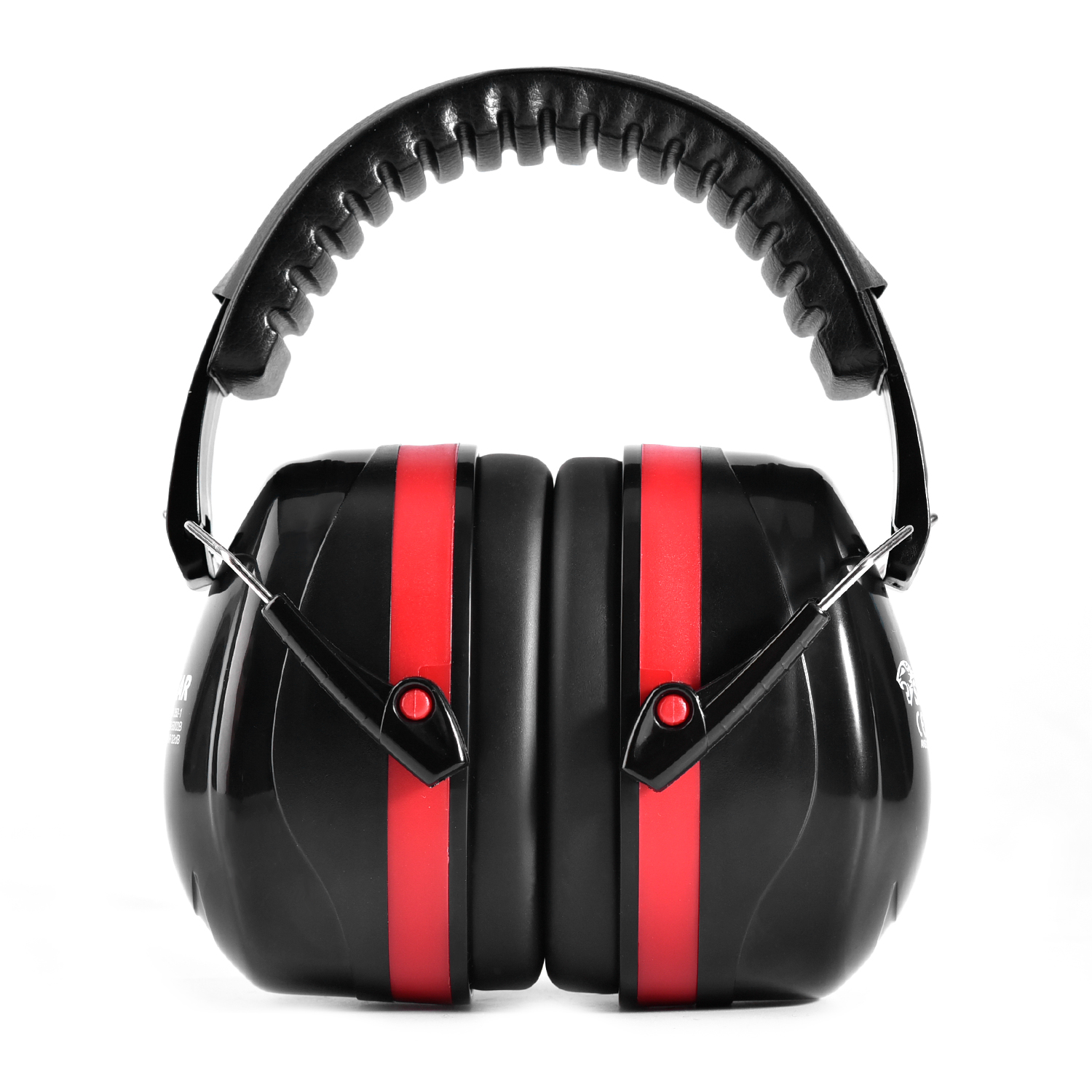
✅ EM-5002B-RD QuietEnjoy — Stable solution for high-noise environments
Ideal for long-duration, continuous noise environments such as:
● Factory equipment areas
● Grinding and cutting stations
● Construction sites
● Landscaping and lawn cutting
This earmuff offers stable noise reduction and is easier to manage for PPE compliance.
Learn more EM-5002B-RD
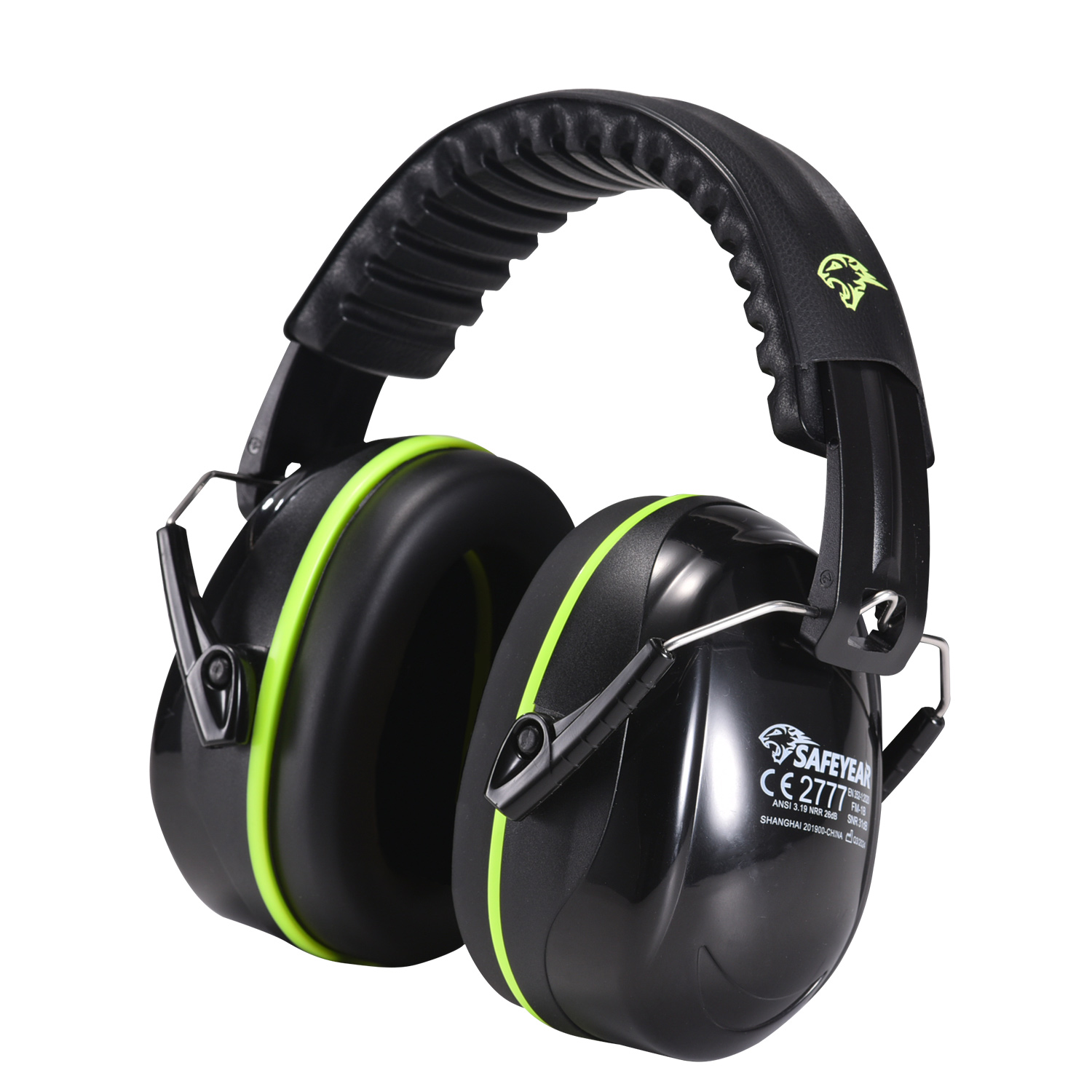
✅ FM-1B QuietEnjoy — Lightweight and comfortable earmuffs
If workers need long wear time and reduced head pressure, lightweight earmuffs are often better accepted, suitable for:
● Workshop inspection
● Assembly areas
● Medium-noise environments with long shifts
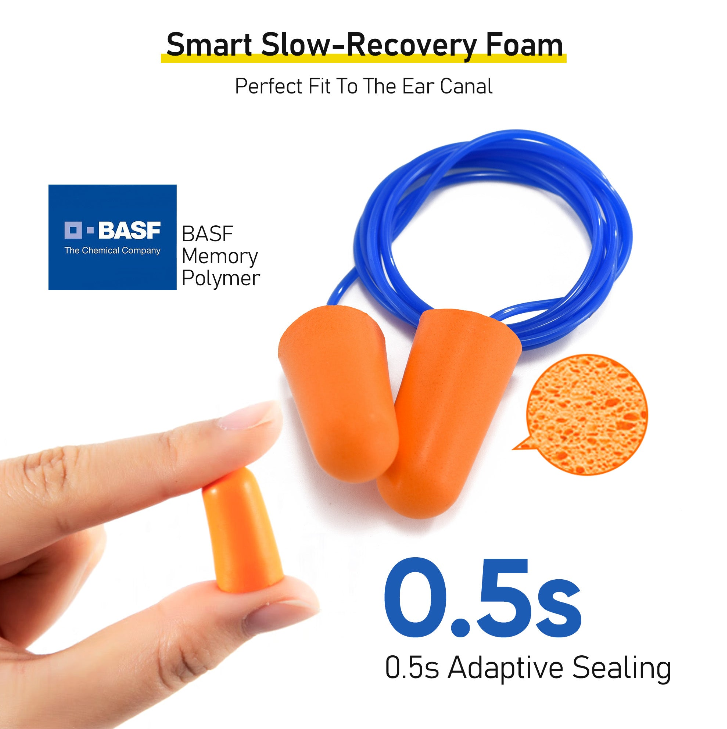
✅ EC-1001A-C QuietPeace — Disposable foam earplugs for cost-effective distribution
For large-scale distribution, shared use, or frequent replacement needs, disposable foam earplugs are a practical choice, such as:
● Temporary workers on construction projects
● High hygiene requirement positions
● Long-term distribution with cost sensitivity
FAQ | Common Questions About NRR / SNR Hearing Protection
Q1: Which is better, NRR or SNR?
A: Neither is “better.” They come from different standards. Buyers should use them for comparison and evaluate them with real working conditions and proper wear.
Q2: Are earplugs always less effective than earmuffs?
A: Not necessarily. Earplugs can provide strong protection if worn correctly, but they are more sensitive to correct fitting. Earmuffs tend to be more stable and easier for compliance.
Q3: Can earplugs and earmuffs be worn together?
A: Yes. In extremely high-noise environments, double hearing protection is common, but HSE should define it based on risk assessment.
Q4: Which industries are best for helmet-mounted earmuffs?
A: Helmet-mounted earmuffs are ideal for construction, mining, and heavy industry where safety helmets are mandatory, improving stability and compatibility.

CTA | Tender & Project Support
Need hearing protection for factory or construction projects?
We can provide ANSI/CE test reports, specification sheets, and fast quotations (OEM/Private Label supported).
Contact us to get:
1. Product document package
2. Quotation within 24 hours: please share your application scenario, quantity, and whether logo/custom packaging is required
✅ Shop now: https://safetoework.com/
✅ Wholesale: https://safetoe.net/
✅ WhatsApp: +8615375354433
✅ YouTube: @SAFETOE




 English


