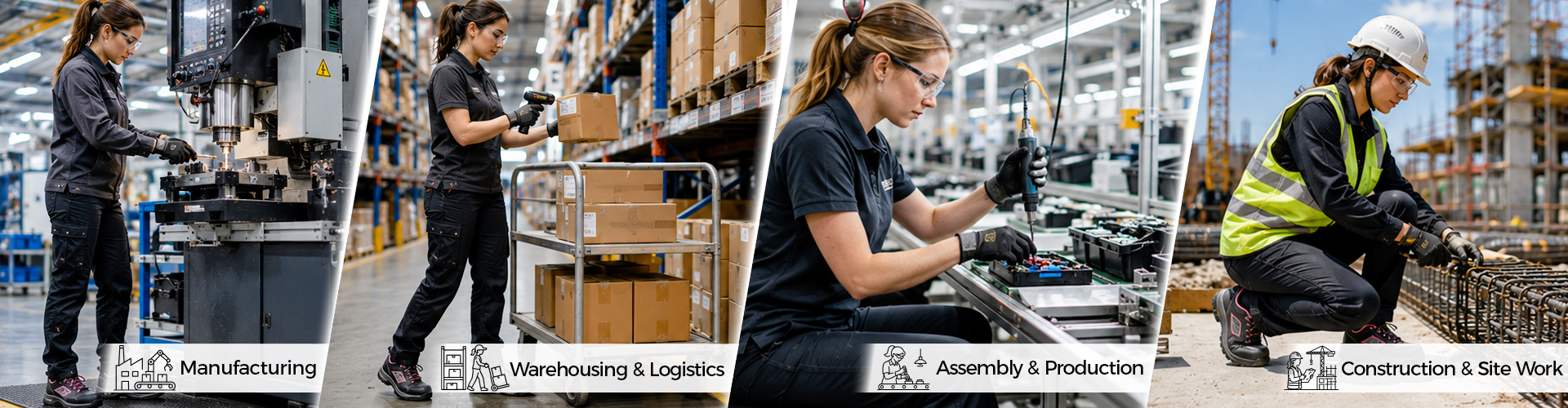
Introduction: Choosing the Right Women's Safety Shoes
Women's safety shoes should be selected according to both workplace hazards and fit. The right footwear should provide the required protection while fitting securely and remaining comfortable during long working shifts.
Unlike simply choosing a smaller men's size, women-specific safety footwear can be designed around dedicated lasts and protective components for a more appropriate fit.
Understanding protection requirements, foot shape, footwear weight and working conditions can help buyers select suitable women's safety footwear for different industrial environments.
Start with the Hazards in Your Workplace
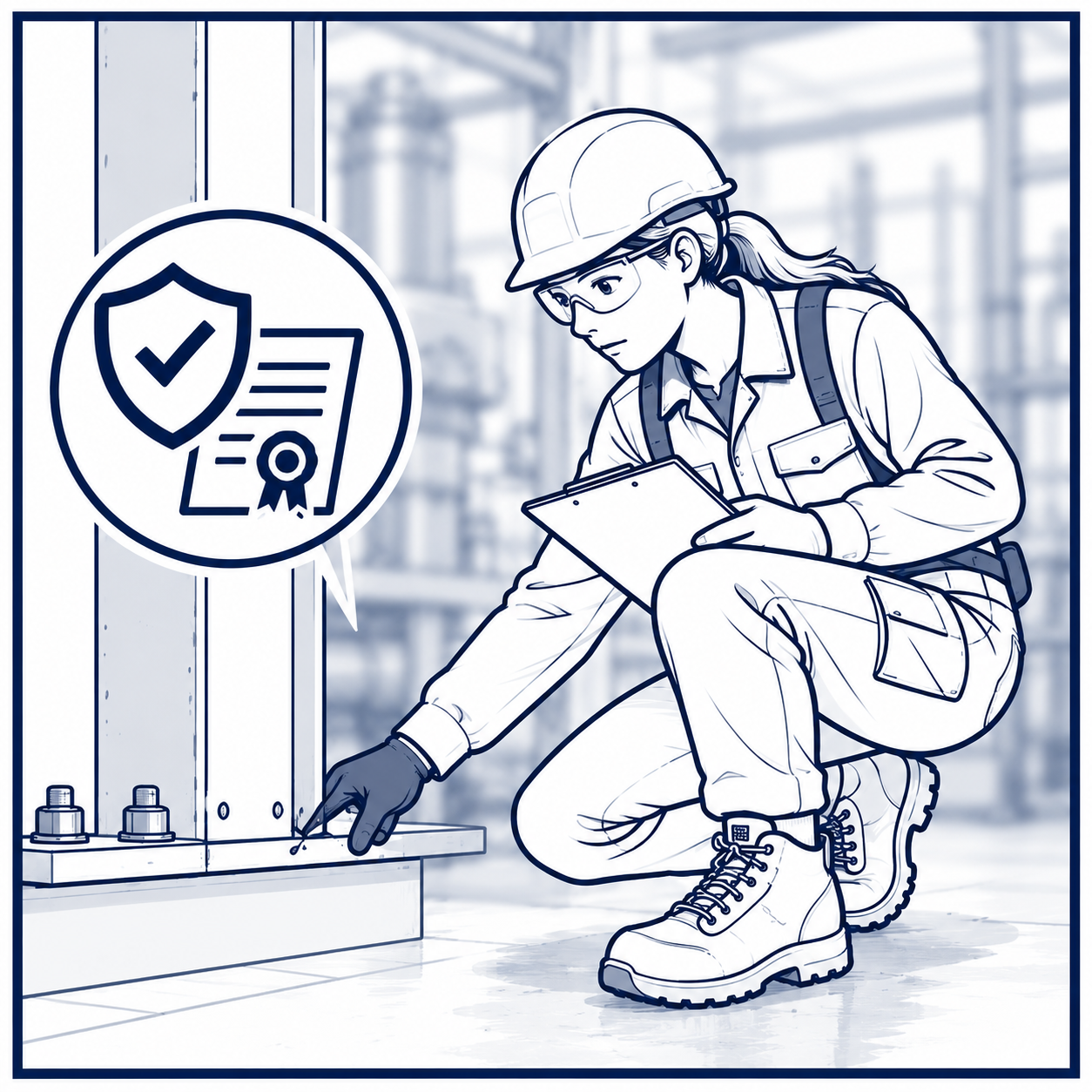
Before considering style or fit, identify the hazards present in the workplace.
Common safety considerations include:
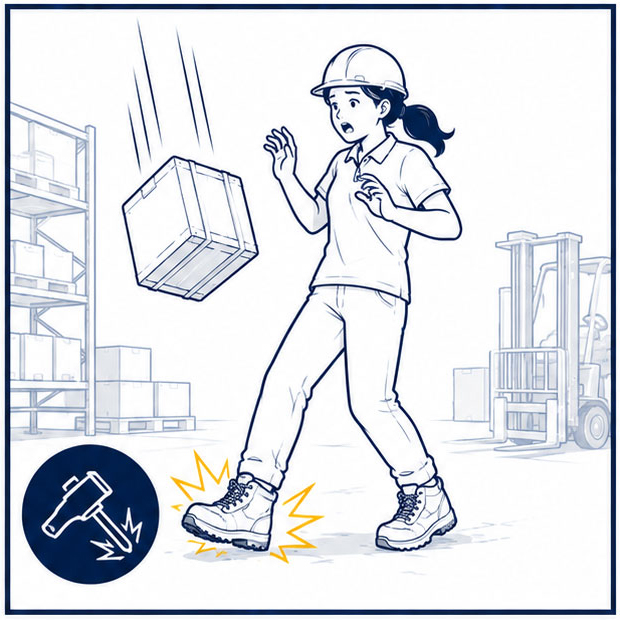 | 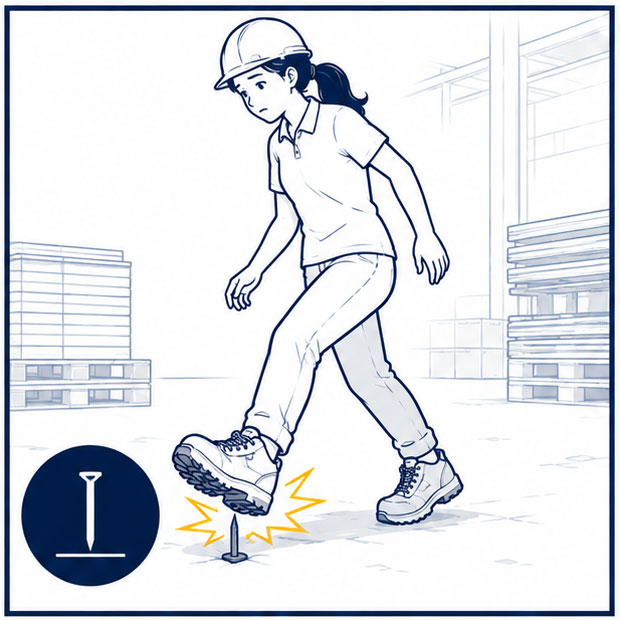 | 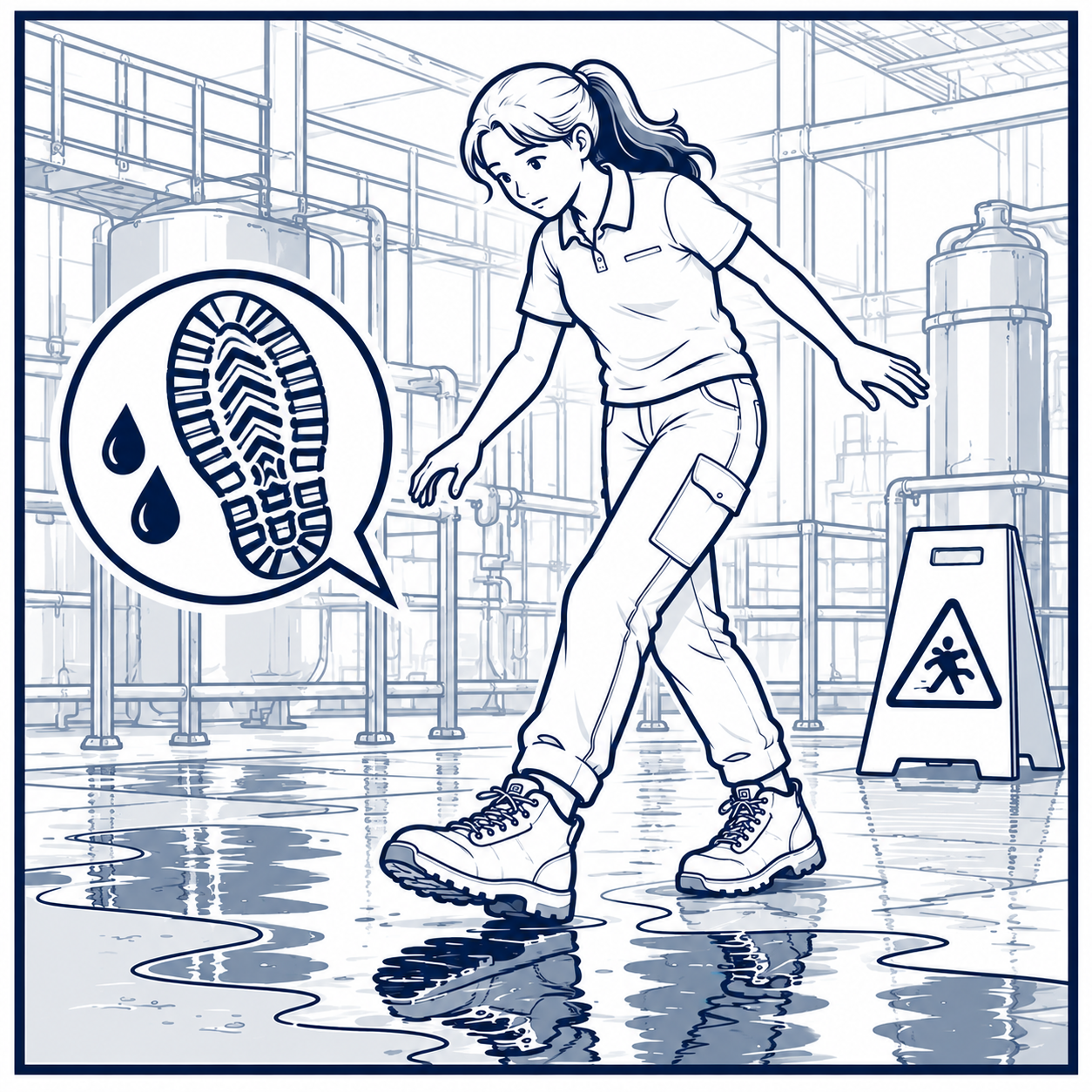 |  |
| Falling Objects — Toe Protection: | Sharp Objects — Puncture Protection: | Wet or Oily Floors — Slip Resistance: | Specific Workplace Risks — Appropriate Certification: |
| Protective toe caps may be required where falling or moving materials create impact or compression hazards. | Suitable penetration-resistant components may be needed where nails, metal debris or other sharp objects are present. | Outsole performance should be evaluated against actual floor conditions and potential contaminants. | Additional protective properties may be required depending on the job and applicable standards. |
Buyers can learn more about VortiGard™ Toe Protection and FlexBarrier™ Puncture Protection.
Choose safety footwear according to the actual workplace risk assessment and applicable safety requirements.
Look for a Women-Specific Fit
Proper fit depends on more than shoe size. Heel geometry, midfoot volume and forefoot shape all influence how securely safety footwear fits during work.
Women-specific safety shoes can be developed around dedicated lasts rather than simply reducing the dimensions of men's footwear.
Three areas deserve particular attention:
Heel Fit
The heel should remain secure during walking without excessive movement or uncomfortable pressure.
Midfoot Fit
The midfoot should provide appropriate support and a secure fit without unnecessary tightness.
Forefoot & Toe Geometry
The forefoot should allow adequate space for natural foot positioning while accommodating the protective toe cap.
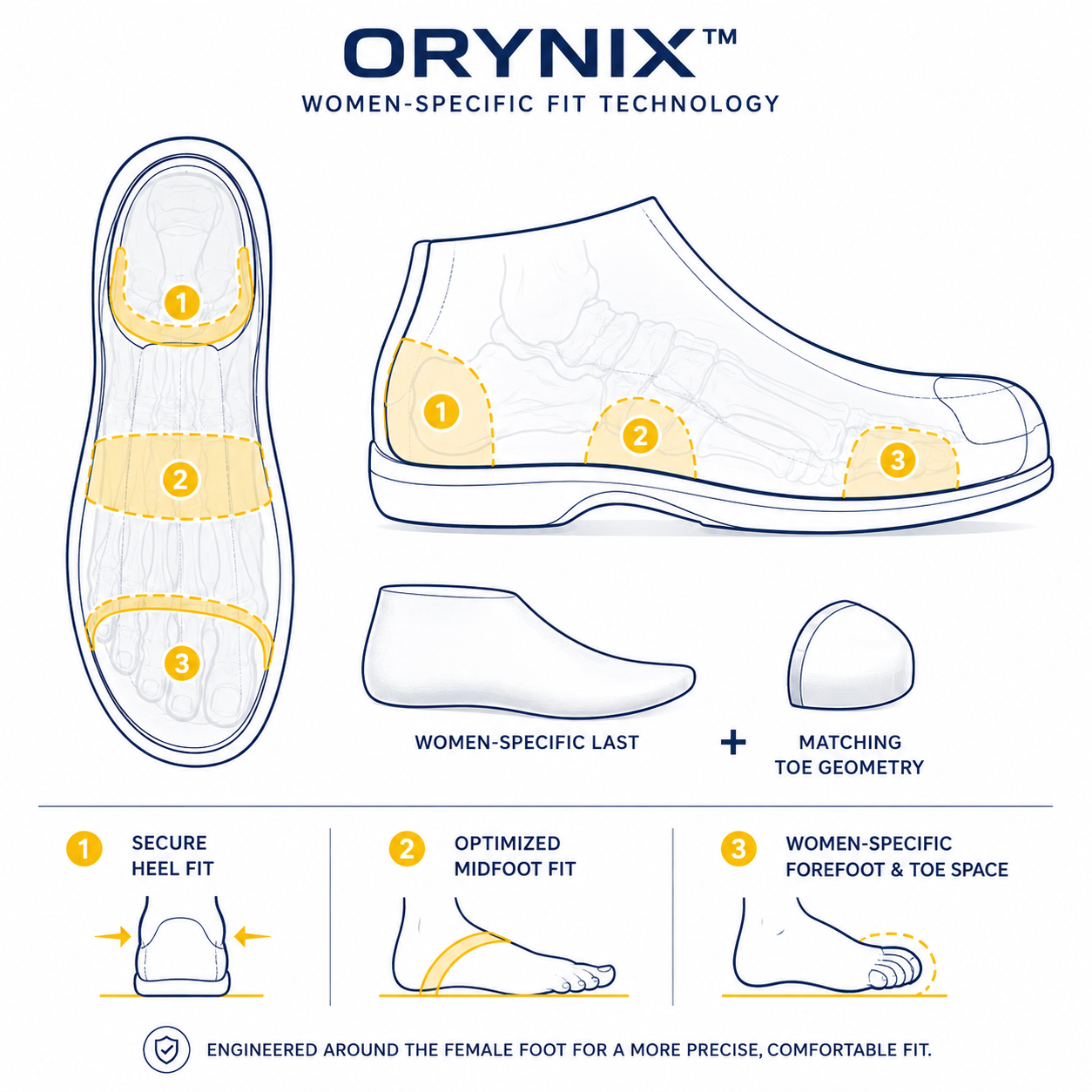
Orynix™ Women-Specific Fit Technology
SAFETOE's Orynix™ Women-Specific Fit Technology is developed around dedicated women's lasts and matching protective toe geometries to support a more appropriate fit in professional safety footwear.
Learn More About Orynix™ Women-Specific Fit Technology
A women-specific design should still be evaluated through proper sizing and individual fit assessment.
Consider Weight and Long-Shift Comfort
Safety footwear is often worn for many hours at a time. Reducing unnecessary footwear weight while maintaining the required protection can improve everyday wearability.
Several construction features may influence overall weight and comfort:
● Aluminum Toe Caps: May offer weight advantages compared with certain steel toe cap constructions, depending on the design.
● Textile Puncture-Resistant Midsoles: Can provide flexible, non-metallic puncture protection when appropriately tested.
● Lightweight Sole Construction: May help reduce total footwear weight.
● Cushioning and Shock Absorption: Can contribute to comfort during repeated walking and standing.
SAFETOE's Zorbtion™ Shock Absorption Technology provides additional information about footwear cushioning considerations.
However, lightweight construction alone does not establish protective performance. Buyers should always verify the specifications of the selected model.
Match the Shoe Style to Your Work
Different industrial environments may require different footwear designs. The appropriate choice depends on workplace hazards, movement requirements and working conditions.
| Working Environment | Footwear Considerations |
| Manufacturing | Lightweight safety shoes with the required impact and puncture protection |
| Logistics & Warehousing | Flexible safety sneakers suitable for frequent walking, where permitted by the risk assessment |
| Construction | Safety boots with appropriate protection and ankle coverage where needed |
| Maintenance & Technical Work | Lightweight boots or securely fitting slip-on styles, depending on job requirements |
Footwear style should not replace a workplace risk assessment. For example, a safety sneaker may be suitable for one warehouse role but not another.
Explore SAFETOE Women's Safety Footwear Solutionsto learn more about footwear options for different working environments.
Recommended SAFETOE Women's Safety Shoes
SAFETOE offers women-focused safety footwear designs for different industrial applications. The following three models illustrate different footwear styles.
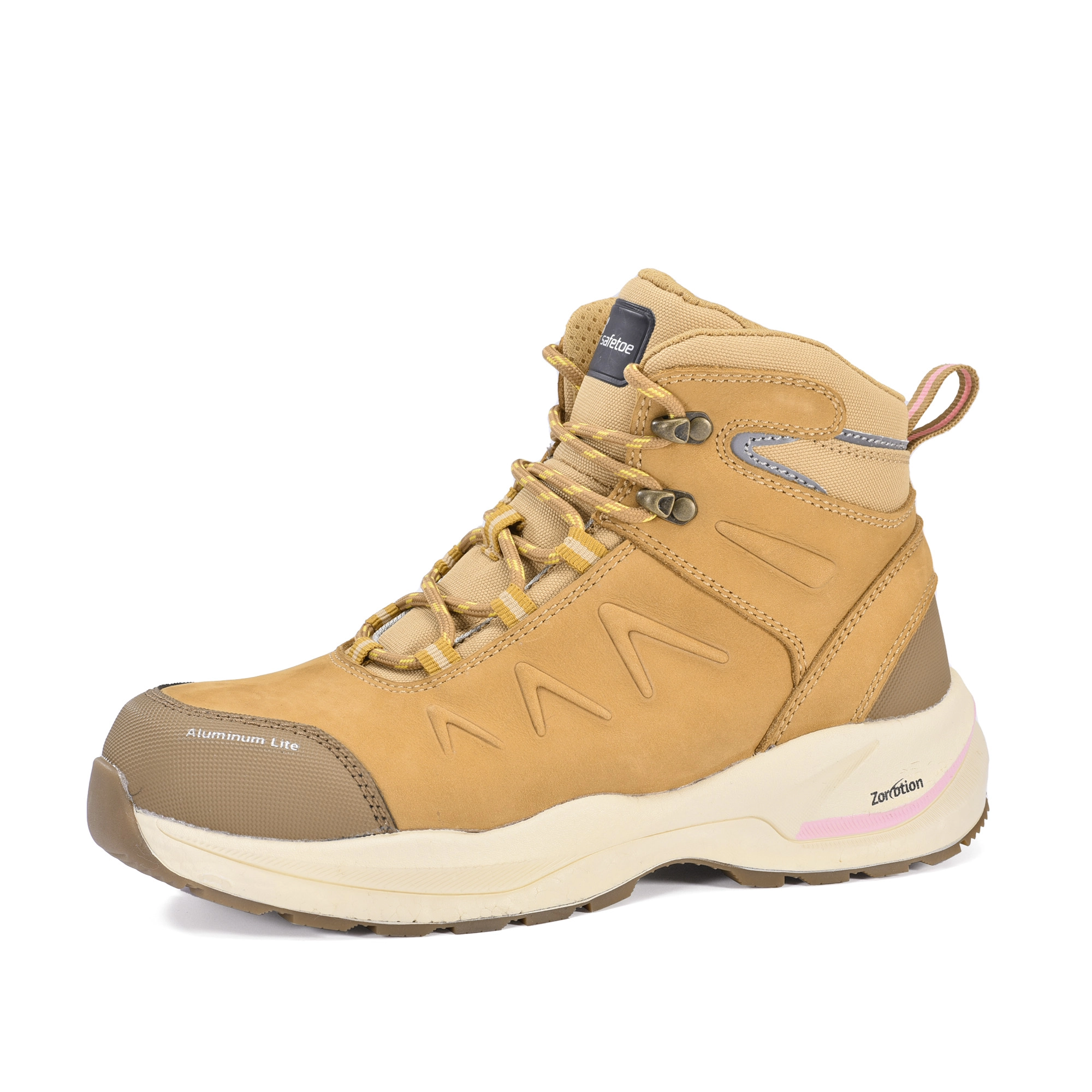
M-8553W Pro — Women's Ultra Lightweight Safety Boots
A safety boot option for buyers considering women's protective footwear for manufacturing, construction and industrial applications.
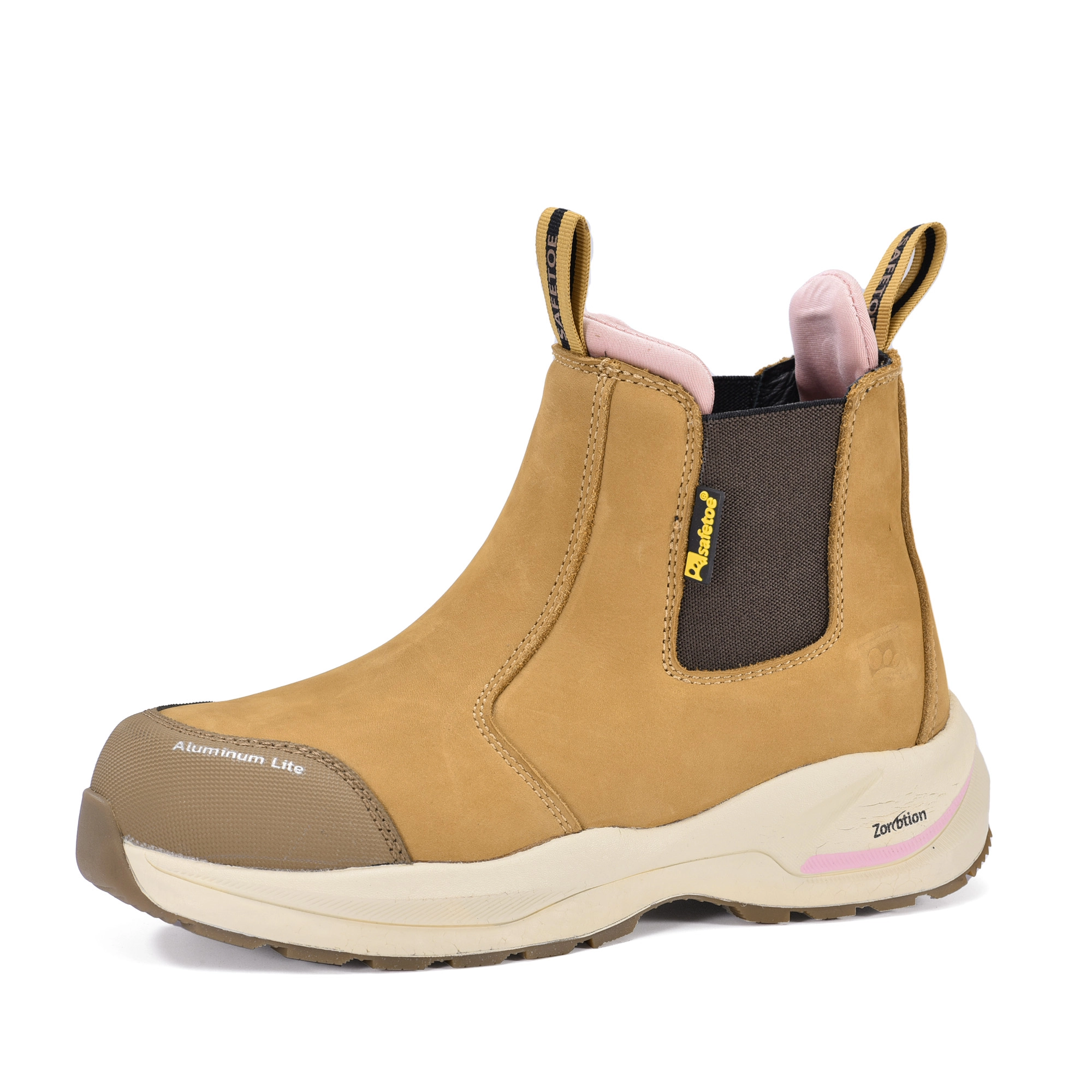
M-8025W Pro — Women's Ultra Lightweight Chelsea Safety Boots
A Chelsea-style safety boot option for maintenance, engineering and general industrial work where its verified protective features meet workplace requirements.
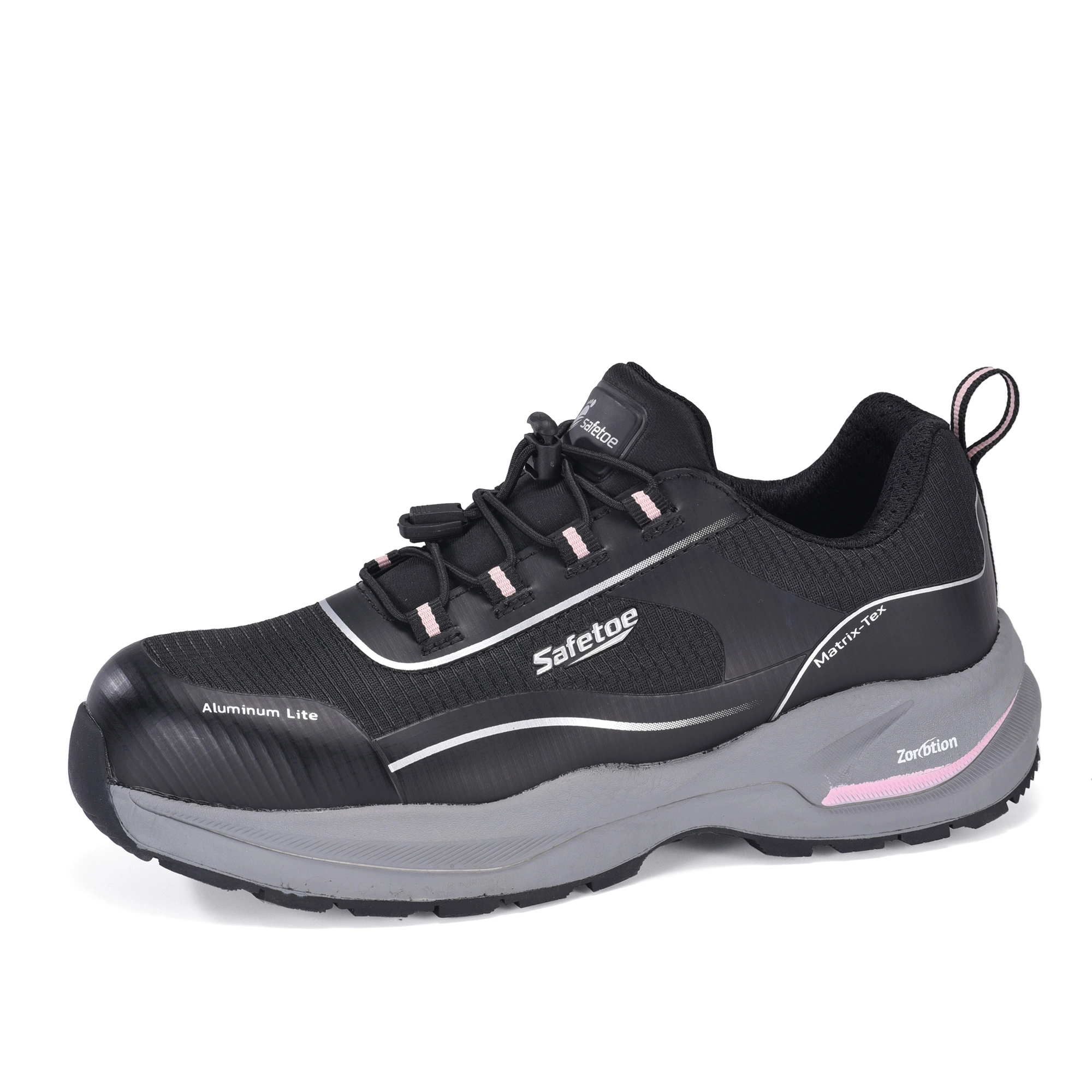
L-7613 — Women's Ultra Lightweight Safety Sneakers
An athletic-inspired safety footwear option for logistics, warehousing and manufacturing roles involving frequent movement.
Each model should be evaluated according to its actual specifications, available certification, fit and intended application.
View All SAFETOE Women's Safety Footwear
Quick Checklist: Choosing Women's Safety Shoes
When choosing women's safety shoes, check for:
Protection matched to workplace hazards
A women-specific fit where available
Secure heel retention and appropriate forefoot space
Suitable footwear weight, cushioning and long-shift comfort
Safety certification required for the workplace
The right women's safety shoes are not simply the smallest or lightest option. They should combine appropriate fit, verified protection and comfort suited to the job.
Frequently Asked Questions (FAQs)
1. Are women's safety shoes different from men's safety shoes?
Women's safety shoes may be developed using dedicated lasts and protective components that account for differences in foot proportions, including heel shape, midfoot volume and forefoot geometry.
However, not every product marketed as women's footwear uses a women-specific last. Buyers should check the actual design and fit rather than relying on the product label alone.
2. Should women's safety shoes fit tightly?
No. Women's safety shoes should fit securely without excessive heel movement, but they should not feel uncomfortably tight.
Adequate space is required around the toes, particularly when protective toe caps are used. Proper sizing should also account for foot width, socks and the movements required during work.
Learn more about Orynix™ Women-Specific Fit Technology.
3. Are lightweight safety shoes suitable for industrial work?
Yes, lightweight safety shoes may be suitable for industrial work, provided the specific model meets the protection requirements of the workplace.
Footwear weight alone does not determine safety performance. Buyers should verify the required toe protection, puncture resistance, slip resistance and applicable certification before selecting a model.
Conclusion: Find the Right Women's Safety Footwear
Choosing suitable women's safety shoes requires more than selecting a smaller size or a lightweight design.
Buyers should first identify workplace hazards, then evaluate women-specific fit, protective features, footwear weight and comfort for the intended job.
Explore our Women's Safety Footwear Collection, discover Orynix™ Women-Specific Fit Technology, or Contact SAFETOE to discuss your requirements, request product specifications or receive a quotation.
Author: Jay Yuan
Author Bio:
Jay Yuan focuses on industrial safety footwear, PPE standards, and workplace protection solutions. His articles provide practical guidance on footwear selection, protective features, and fit considerations for different industrial working environments.

 English


