Why Do Safety Glasses Become Uncomfortable?


Flexentra 06

Nose Pressure

Hard nose bridges create discomfort.

Flexentra 05

Temple Pressure

Tight temples cause fatigue.

Flexentra 03

Long Wearing Hours

Comfort decreases throughout the day.

Flexentra 04

Poor Fit

Improper fit affects stability and comfort.

How Flexentra™ Works?


Flexentra™ is a proprietary comfort cushioning system engineered for industrial safety eyewear. By integrating soft-contact components and ergonomic design principles, Flexentra™ helps reduce pressure points, improve fit stability, and support all-day comfort in demanding work environments.
Flexentra 07
Flexentra™ vs Standard Eyewear
FeatureFlexentra™Standard Eyewear
1Wearing Comfort★★★★★★★★
2Pressure Reduction★★★★★★★
3Fit Stability★★★★★★★★
4Long-Term Wear★★★★★★★★
5User Experience★★★★★★★★

Comfort Demonstration


Foam Cushion Demonstration
All-Day Comfort Test

View All

Products Featuring Flexentra™

View All

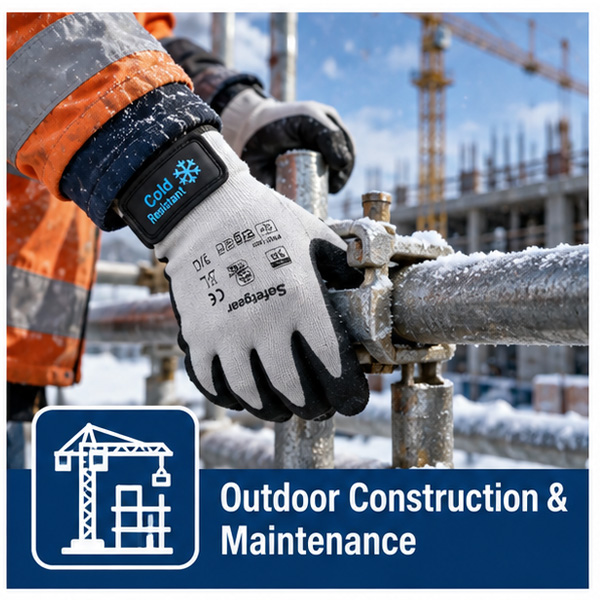
Built for a Wide Range of Industries
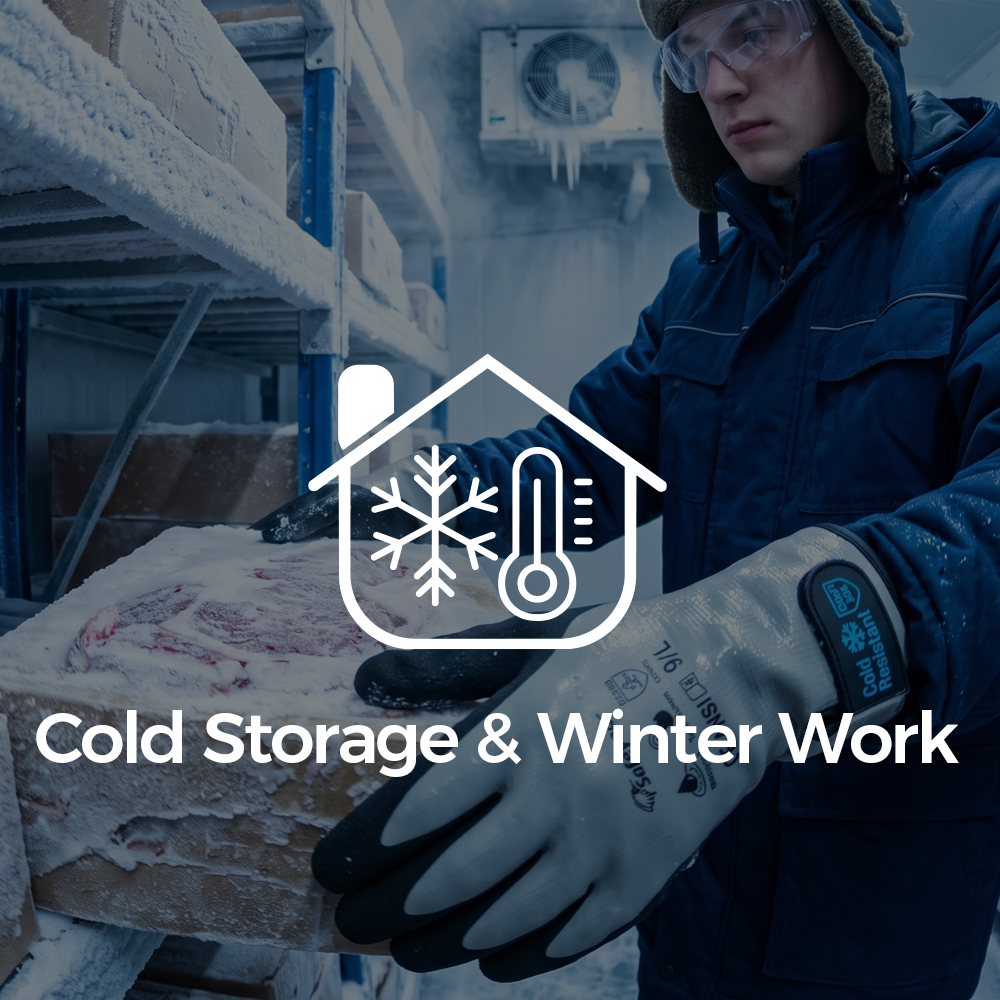
Logistics
Construction
Construction
Construction

Related Videos & Blogs

View All

Safety Rain Boots Vs Occupational Rain Boots: How To Choose Between EN ISO 20345 And EN ISO 20347?
01

Safety Rain Boots Vs Occupational Rain Boots: How To Choose Between EN ISO 20345 And EN ISO 20347?

This article explains the key differences between safety rain boots and occupational rain boots. Although both types are waterproof and often look similar, EN ISO 20345 safety rain boots are designed for higher-risk workplaces that require toe protection, puncture resistance, and PPE compliance, while EN ISO 20347 occupational rain boots focus more on waterproofing, slip resistance, comfort, and lower-risk work environments. The article compares S5 safety boots and OB occupational boots, explains suitable industries such as construction, road work, agriculture, cleaning, food factories, and municipal maintenance, and recommends Safetoe models including W-6055, W-6050, W-6038, W-6037, and W-6036 to help buyers choose the right waterproof work rain boots.

Safety Rain Boots Vs Occupational Rain Boots: How To Choose Between EN ISO 20345 And EN ISO 20347?

This article explains the key differences between safety rain boots and occupational rain boots. Although both types are waterproof and often look similar, EN ISO 20345 safety rain boots are designed for higher-risk workplaces that require toe protection, puncture resistance, and PPE compliance, while EN ISO 20347 occupational rain boots focus more on waterproofing, slip resistance, comfort, and lower-risk work environments. The article compares S5 safety boots and OB occupational boots, explains suitable industries such as construction, road work, agriculture, cleaning, food factories, and municipal maintenance, and recommends Safetoe models including W-6055, W-6050, W-6038, W-6037, and W-6036 to help buyers choose the right waterproof work rain boots.
How to Choose the Best Safety Boots for Mining Operations
01

How to Choose the Best Safety Boots for Mining Operations

Choosing the right mining safety boots requires more than comparing price and appearance. This guide explains how to evaluate toe protection, puncture resistance, slip resistance, waterproofing, metatarsal protection, comfort and market-specific certifications. It also introduces SAFETOE mining footwear for wet, cold, surface and high-impact mining environments, helping mining companies, contractors and distributors select suitable protective boots for different working conditions.

How to Choose the Best Safety Boots for Mining Operations

Choosing the right mining safety boots requires more than comparing price and appearance. This guide explains how to evaluate toe protection, puncture resistance, slip resistance, waterproofing, metatarsal protection, comfort and market-specific certifications. It also introduces SAFETOE mining footwear for wet, cold, surface and high-impact mining environments, helping mining companies, contractors and distributors select suitable protective boots for different working conditions.
Top Foot Hazards in Mining and How Safety Boots Reduce Workplace Injuries
01

Top Foot Hazards in Mining and How Safety Boots Reduce Workplace Injuries

Mining workers face multiple foot hazards, including falling rocks, heavy equipment, sharp underground debris, wet surfaces and metatarsal impacts. This article explains how certified mining safety boots help reduce impact, puncture and slip-related injuries. It also introduces SAFETOE protection technologies, recommended mining footwear and certification requirements for different global markets.

Top Foot Hazards in Mining and How Safety Boots Reduce Workplace Injuries

Mining workers face multiple foot hazards, including falling rocks, heavy equipment, sharp underground debris, wet surfaces and metatarsal impacts. This article explains how certified mining safety boots help reduce impact, puncture and slip-related injuries. It also introduces SAFETOE protection technologies, recommended mining footwear and certification requirements for different global markets.
Top 7 Construction Head Hazards and How to Choose a Safety Helmet
01

Top 7 Construction Head Hazards and How to Choose a Safety Helmet

Construction workers may face falling tools, falling materials, low structures, moving equipment, slips and falls, work-at-height risks and electrical contact. This article explains how to choose suitable head protection by checking impact Type, electrical Class, ventilation, suspension, chin-strap retention and certification. It also introduces the Safeyear W-018 vented construction helmet and W-003 Type I Class C hard hat, together with key testing and purchasing considerations.

Top 7 Construction Head Hazards and How to Choose a Safety Helmet

Construction workers may face falling tools, falling materials, low structures, moving equipment, slips and falls, work-at-height risks and electrical contact. This article explains how to choose suitable head protection by checking impact Type, electrical Class, ventilation, suspension, chin-strap retention and certification. It also introduces the Safeyear W-018 vented construction helmet and W-003 Type I Class C hard hat, together with key testing and purchasing considerations.

FAQ

What Is a Comfort & Cushioning System in Safety Glasses?

A comfort and cushioning system is an ergonomic eyewear design that minimizes pressure on the nose bridge, temples, and ears while maintaining a secure fit throughout extended work shifts.

Instead of concentrating force on a few contact points, flexible materials and pressure-distribution structures spread the load more evenly across the face, reducing fatigue and improving wearing stability.

Comfortable safety glasses are more likely to remain properly worn, helping improve user compliance and workplace safety.

Flexentra™ Comfort & Cushioning System is engineered to deliver balanced support, reduced pressure, and reliable all-day comfort for demanding industrial environments.

Why Is Comfort Important for Workplace Safety?

How Does Flexentra™ Reduce Nose and Temple Pressure?

Which Industries Benefit Most from Comfortable Safety Glasses?

Can Comfort, Anti-Fog, and Scratch Resistance Work Together?

Why Choose Safetoe Safety Glasses with Flexentra™ Comfort & Cushioning System?

Ready to work with safetoe ?
Get pricing, samples, and distributor support from SAFETOE team.
Worldwide Leading Safety Protection Products Supplier.
 

Contact Us

Shanghai Langfeng Industrial Co., Ltd. (Safetoe)
Add: Room 905, Building A, No.2, Jibei Road 117, Shanghai, China (Mainland)
Tel : +86-021-5212 7320
Fax : +86-021-5212 1031
Wechat: +86-181 1626 8656
WhatsApp: +86-18116268656
E-mail: jay@safetoe.net
 
Copyright © 2021 Safetoe. All Rights Reserved. SItemap  Support By Leadong.