On construction sites, in warehouses, factories, and production workshops, safety shoes are not “optional equipment.”
They are essential work gear that supports workers every day—standing, walking, lifting, and getting the job done.Many people only realize the importance of proper safety footwearafter a foot has been crushed, pierced by a nail, or slipped on a wet floor.
By then, it becomes clear that choosing the wrong shoes can carry serious risks.
Below, we explain in a clear and practical way why almost every worker should wear safety shoes.
1. They Help Reduce Slips and Falls
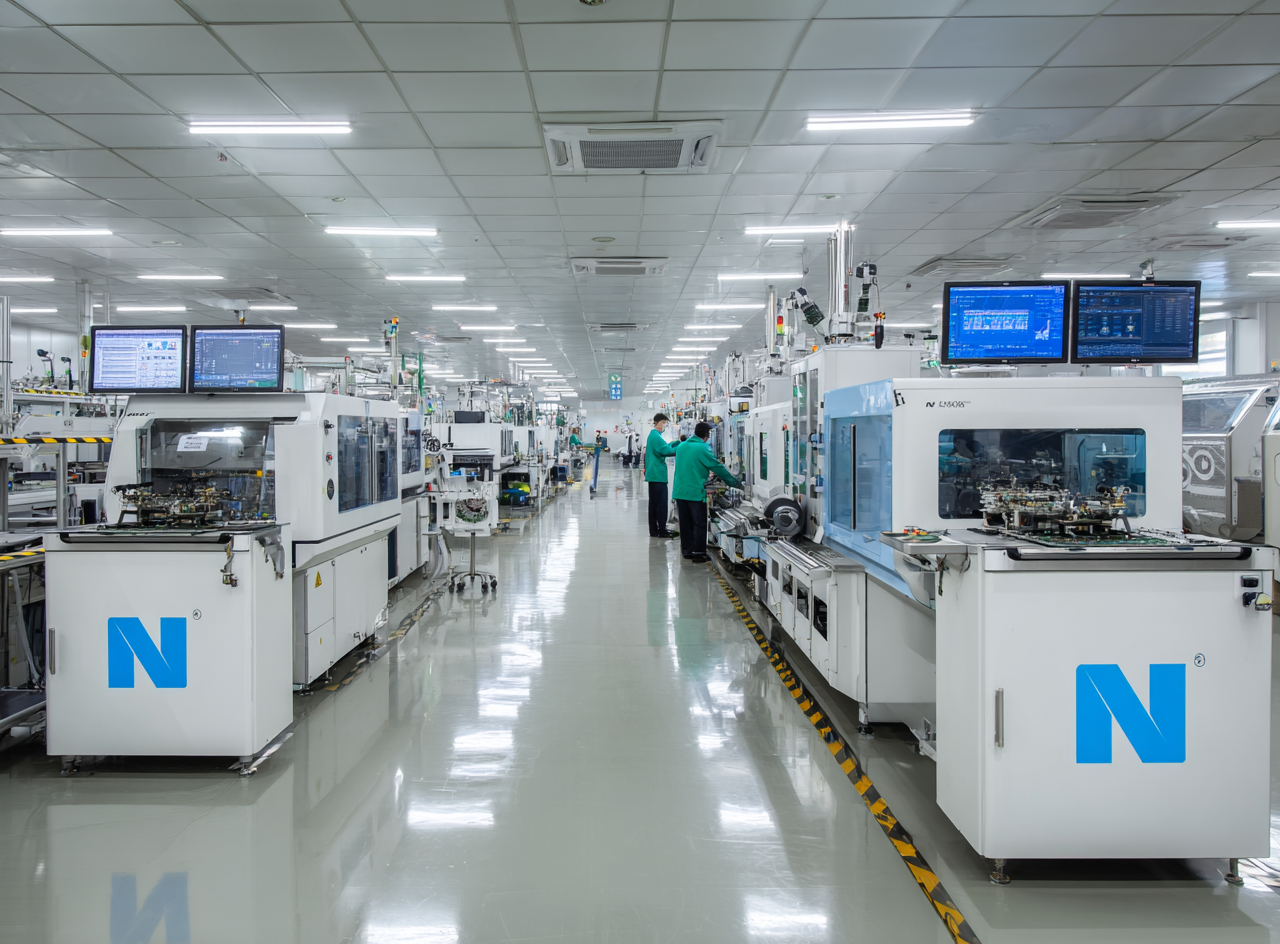
Worksite floors are rarely clean or perfectly even. Debris, oil, water, steps, and slopes are common hazards.
One of the biggest advantages of safety shoes is their enhanced grip and stability, which helps workers maintain balance on uneven or slippery surfaces.
2. The Right Safety Shoes Significantly Reduce Fatigue
Many workers spend eight to ten hours a day on their feet.
If shoes lack proper fit or cushioning, foot and leg fatigue is almost inevitable.Well-designed safety shoes focus on supportive insoles and shock-absorbing midsoles, helping distribute pressure and reduce fatigue—making a noticeable difference by the end of the workday.
3. They Protect Feet from Sharp Objects
Nails, broken glass, and metal fragments are common on construction sites and factory floors.
Ordinary shoes offer little protection, while safety shoes with puncture-resistant midsoles greatly reduce the risk of serious foot injuries.
4. They Reduce Electrical and Static Risks
In industries such as electronics, chemical processing, and pharmaceuticals, electrical and static hazards are common.
Certified safety shoes often include anti-static or insulating properties, helping reduce accidental risks and making them especially important in these environments.
5. They Perform Better in Harsh Weather Conditions
Rain, snow, humidity, and heat do not stop work.
Safety shoes are typically built with stronger uppers and thicker soles, offering better durability and stability than ordinary footwear in challenging weather conditions.
6. They Handle Oily and Chemical Environments More Effectively
In many industrial settings, floors are exposed to oils or chemical liquids.
Appropriate safety shoes use materials that are more resistant to corrosion and degradation, protecting both the footwear and the worker’s feet.
7. Impact Protection Is Basic—and Critical
This is the most familiar reason for wearing safety shoes.
Falling tools or heavy objects can cause severe injuries without proper toe protection.
A certified protective toe cap can absorb and reduce impact, preventing serious damage at critical moments.
8. Better Support Means Safer Ankles
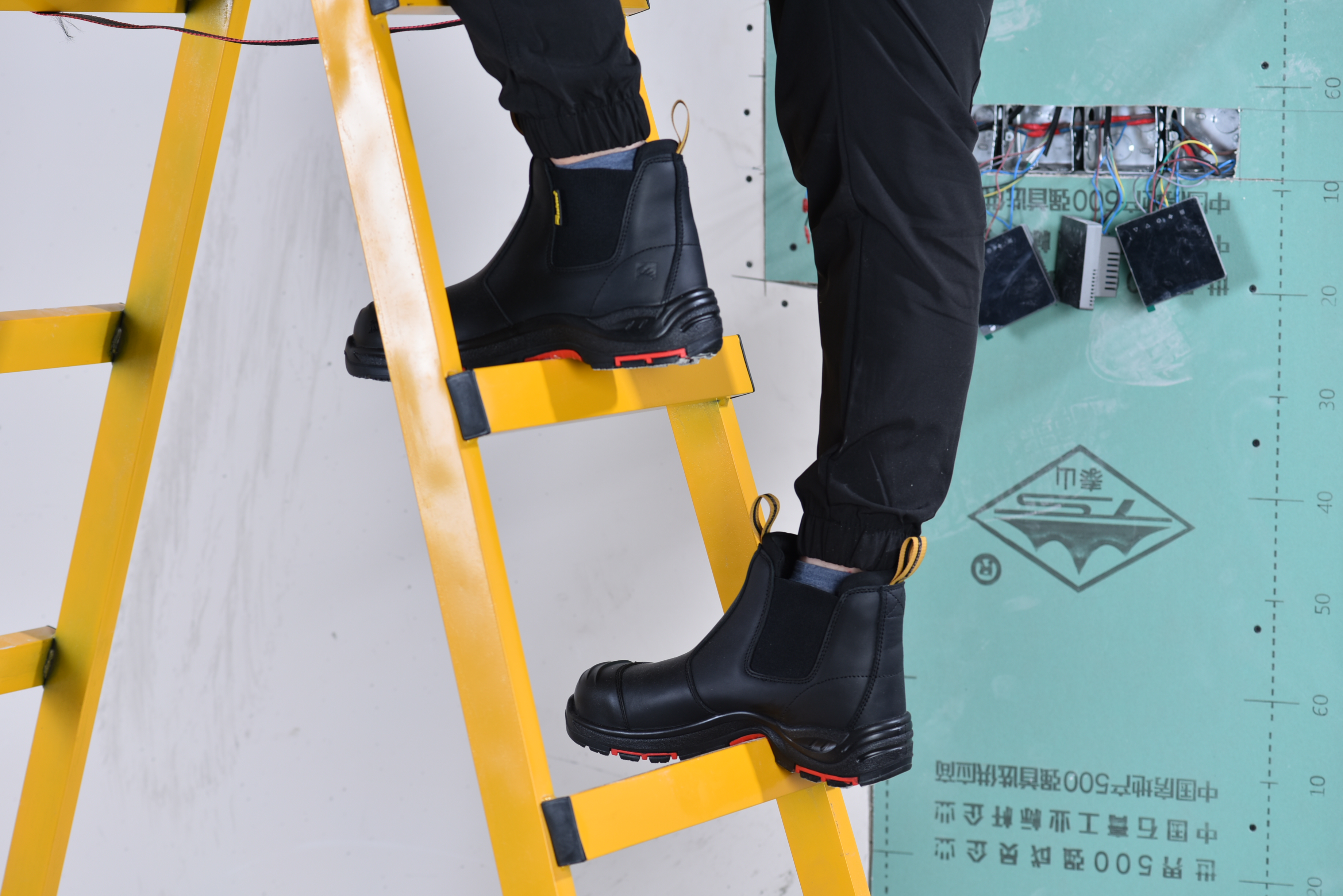
Lifting heavy items, climbing steps, and walking long distances all place stress on the ankles.
Safety shoes are generally built with stronger structure and better support, helping reduce the risk of ankle twists and instability.
9. They Are More Cost-Effective in the Long Run
Although quality safety shoes may cost more upfront, they are far more durable and less prone to damage.
Compared with frequently replacing cheap footwear, investing in good safety shoes often saves money over time.
10. In Many Cases, They Are a Requirement
In many industries, wearing safety shoes is not a recommendation—it is mandatory.
Compliance, inspections, and responsibility matter for both companies and workers, making certified safety footwear an essential part of the job.
What Type of Safety Shoes Fit Today’s Work Environments Best?
After understanding these reasons, a common question arises:
Is there a safety shoe that offers full protection without being inconvenient?
In logistics, warehouses, and manufacturing environments—where workers move frequently and change footwear often—traditional lace-up safety shoes are not always the most practical choice.
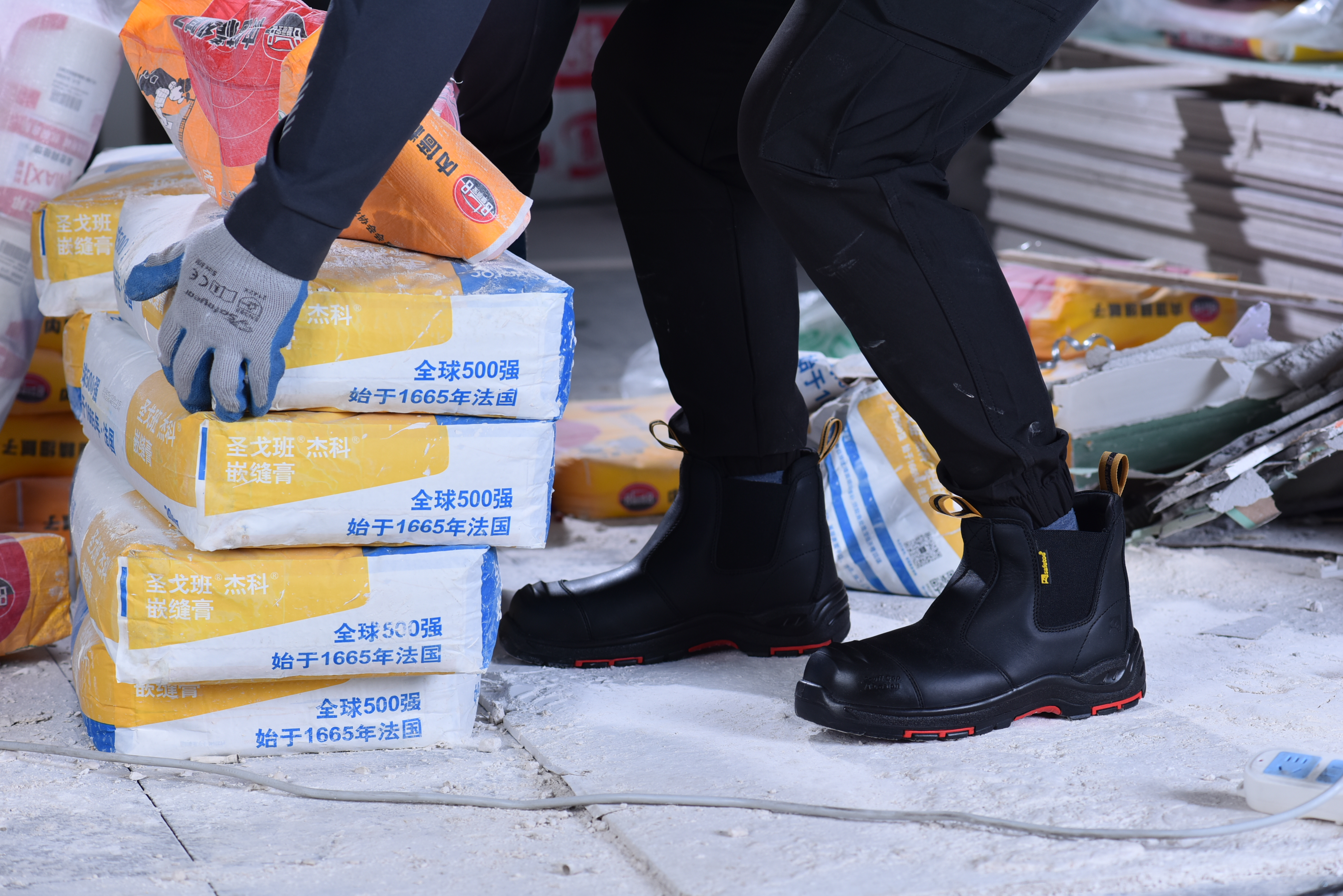
Recommended Choice: M-8025NBK Slip-On Chelsea Safety Shoes
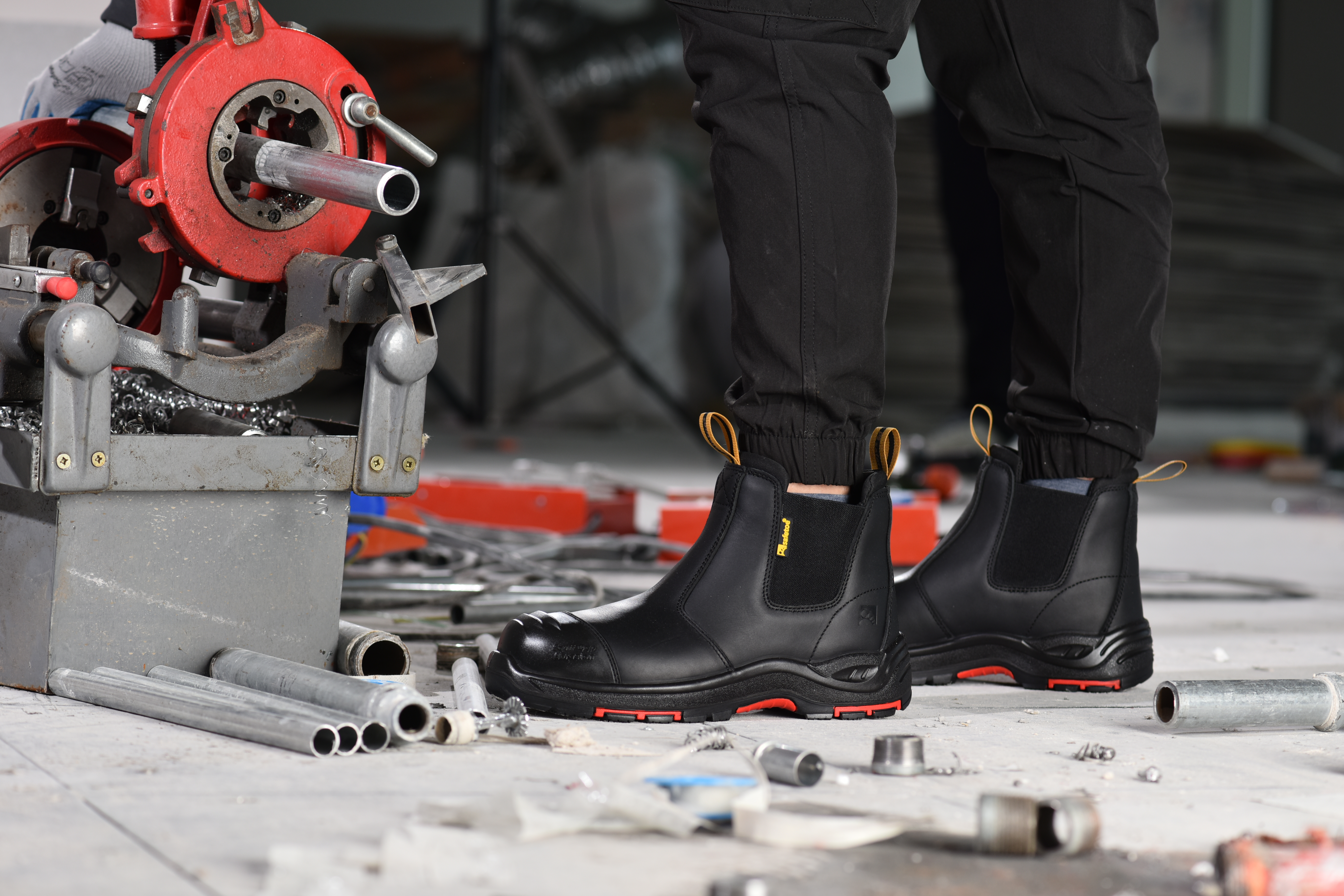
The M-8025NBK combinesslip-on convenience + Chelsea boot styling + industrial-grade safety protection into one practical safety shoe.
Who Is It Designed For?
● Workers who don’t want to tie laces every day
● Jobs requiring frequent entry and exit
● Those who want safety without unnecessary hassle
No Compromise on Safety
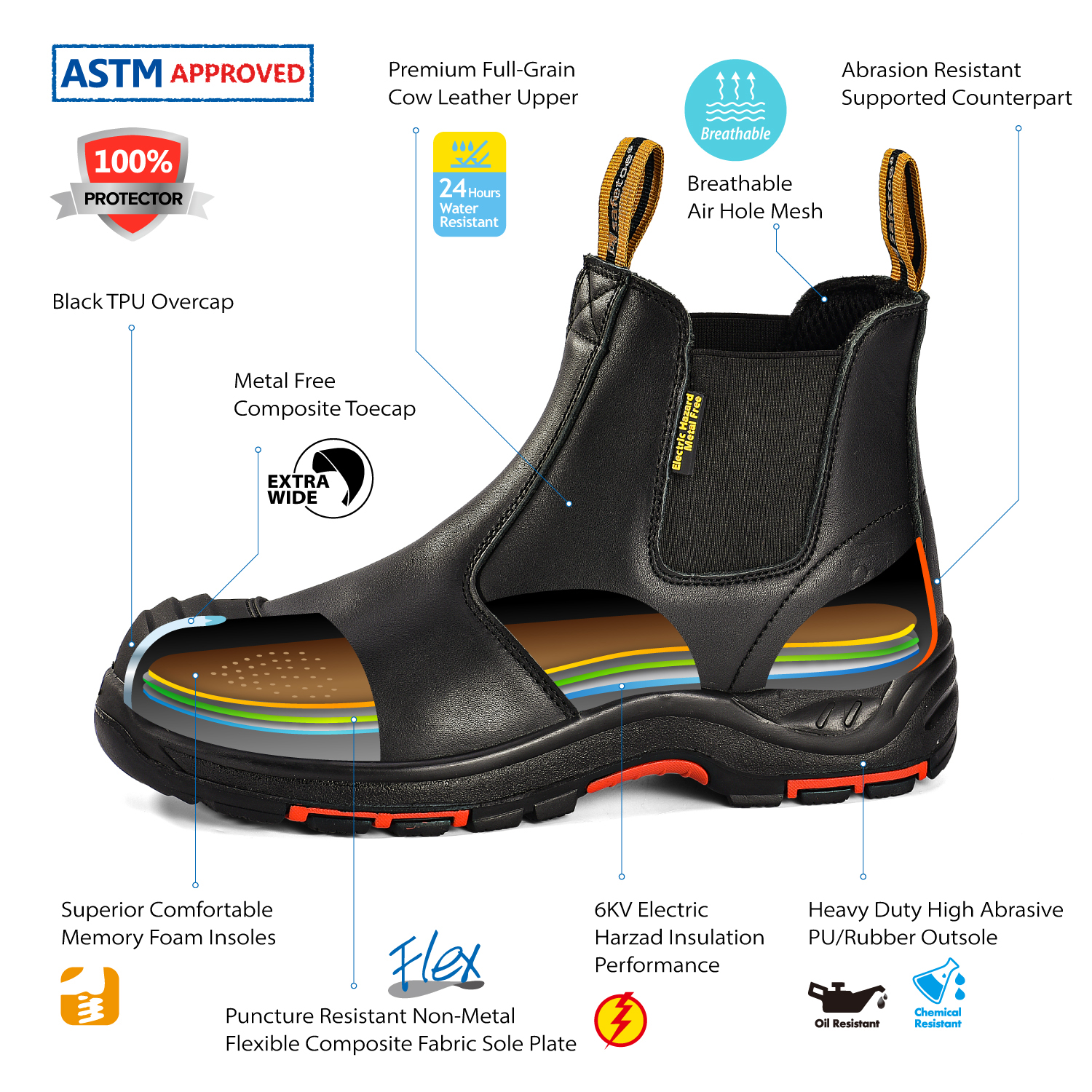
● European-standard steel toe cap: impact resistance ≥ 200 joules
● Steel puncture-resistant midsole: puncture resistance ≥ 1100 N
● Anti-static design: suitable for electronics and chemical industries
Certified to:
GB21148-2020 / CE ISO 20345:2022 + A1:2024 / S3 standard
Designed for Real-World Comfort
● Slip-on Chelsea construction for quick wear
● Imported waterproof embossed leather upper for durability
● Breathable lining + memory foam insole for all-day comfort
● German DESMA® anti-slip outsole technology for better stability in warehouses and workshops
Suitable Applications
Construction sites, logistics warehouses, machinery manufacturing,
automotive and auto parts, metal processing, plastics manufacturing,
precision electronics, chemical and pharmaceutical industries.
Size range:
EU 37–47 / UK 3–13 / US 4–14
Frequently Asked Questions (FAQ)
Q: Are slip-on safety shoes safe?
A: Yes. As long as they meet certified safety standards, slip-on designs do not reduce protection. What matters most is compliance with standards such as CE and S3.
Q: Are they suitable for long working hours?
A: Proper insoles, support, and breathability are essential for long shifts. M-8025NBK is designed with these factors in mind.
Q: Which jobs are best suited for this type of shoe?
A: Logistics, warehouse operations, manufacturing, and jobs requiring frequent movement.
Final Thoughts
Safety shoes are not worn to impress others—they are worn for your own protection.
If you are looking for reliable safety, easy wear, and dependable quality,a slip-on Chelsea safety shoe like the M-8025NBK is well worth considering.
learn more
Shop now:https://safetoework.com
Wholesale: https://safetoe.net
WhatsApp: +8615375354433
YouTube: @SAFETOESafetyShoes

 English


